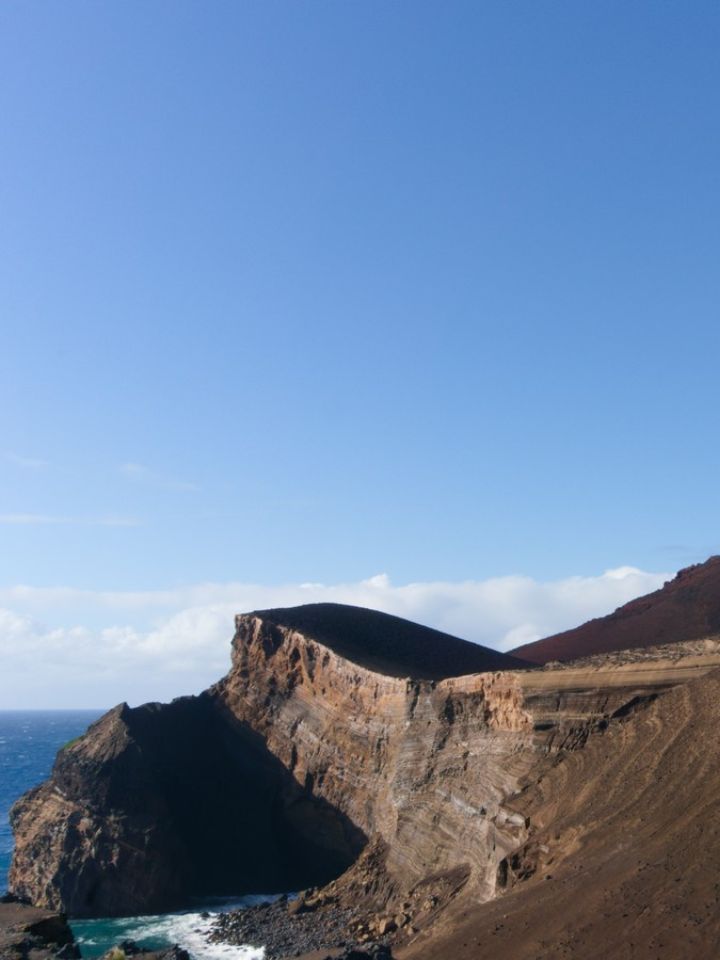
The Capelinhos Volcano on Faial is one of the greatest mysteries of the Azores, and is even known as the Mystery of Capelinhos. Today, visitors can explore the site of this mystery, complemented by Interpretation Center of Capelinhos Volcano, where you can learn the whole story.
Capelinhos Volcano: Origin and Consequences
In September 1957, an underwater volcanic eruption began about one kilometer off the coast and lasted 13 months, from September 1957 to October 1958. Since it was documented, there are impressive images and videos of the erupting volcano.
In 1964, the Volcano Geological Museum was opened; its collection was later transferred to the current Capelinhos Volcano Interpretation Center, which opened in 2008.
As a result of this eruption, the island of Faial grew by about 2.4 km², an area that was later reduced by erosion from the sea and wind. This event had significant consequences for the surrounding area, leading to a large-scale exodus.
In 2021, more than 60 years after the eruption, the National Geographic Portugal published a report An impressive account by witnesses to this event, which we recommend reading.
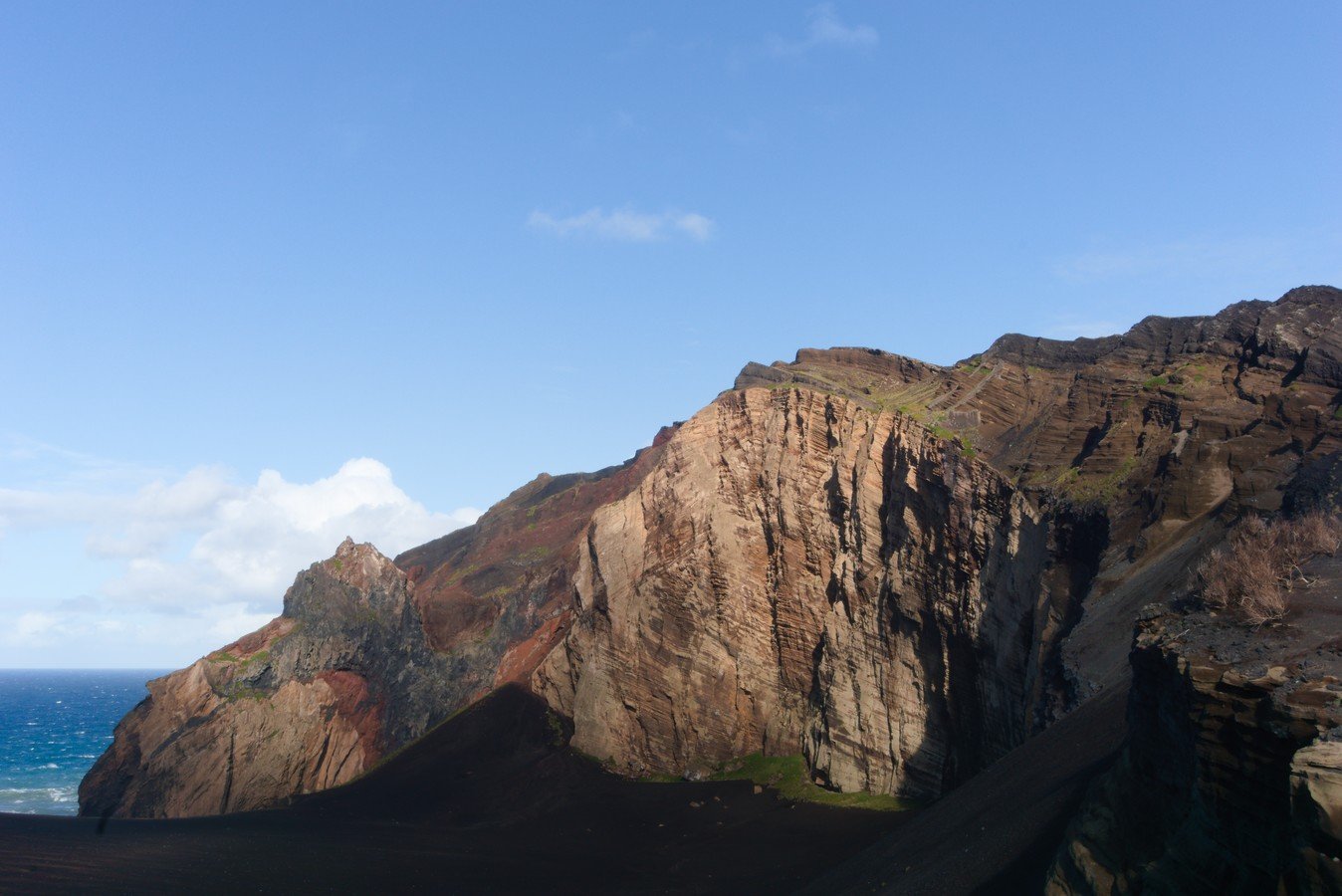
Visiting Capelinhos Volcano
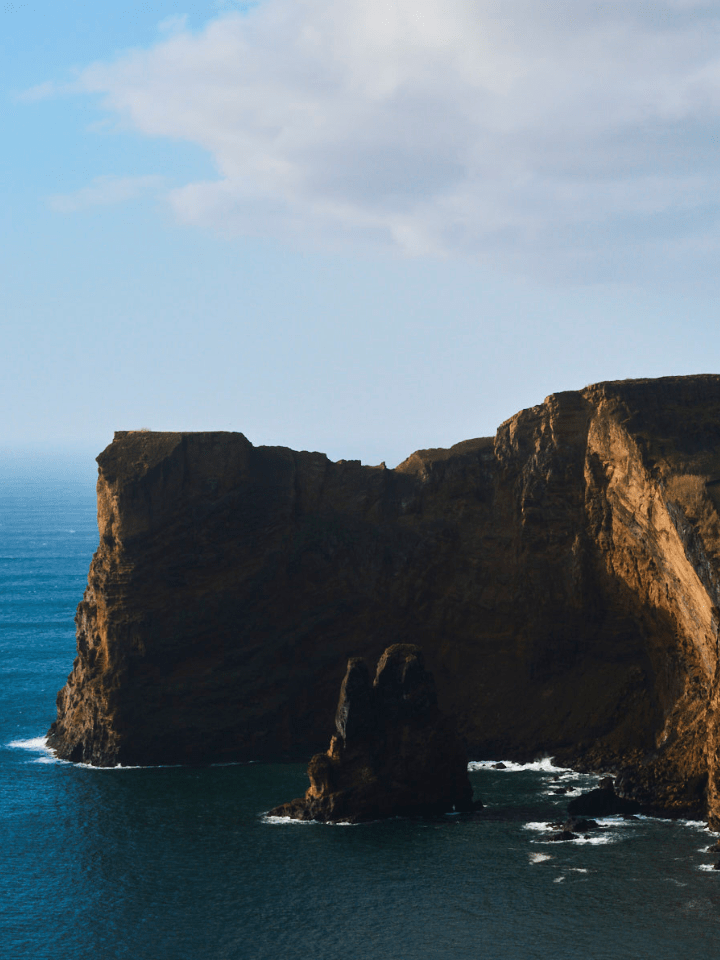
Visiting the area around the Capelinhos Volcano is free and open to the public. Just park your car and set off to explore. You cannot walk on the volcano itself, as it is prohibited, but you can walk along the surrounding cliffs.
Please note that the ground is uneven and consists mostly of rocks and sand, so it is not easy to walk on. Also, if it is very windy, avoid climbing to the highest points or getting too close to the cliffs.
At the top, further away from the lighthouse, there is even a lookout point that offers a different perspective on this “creation” of nature.
Visiting the Capelinhos Volcano Interpretation Center
and the Capelinhos Lighthouse
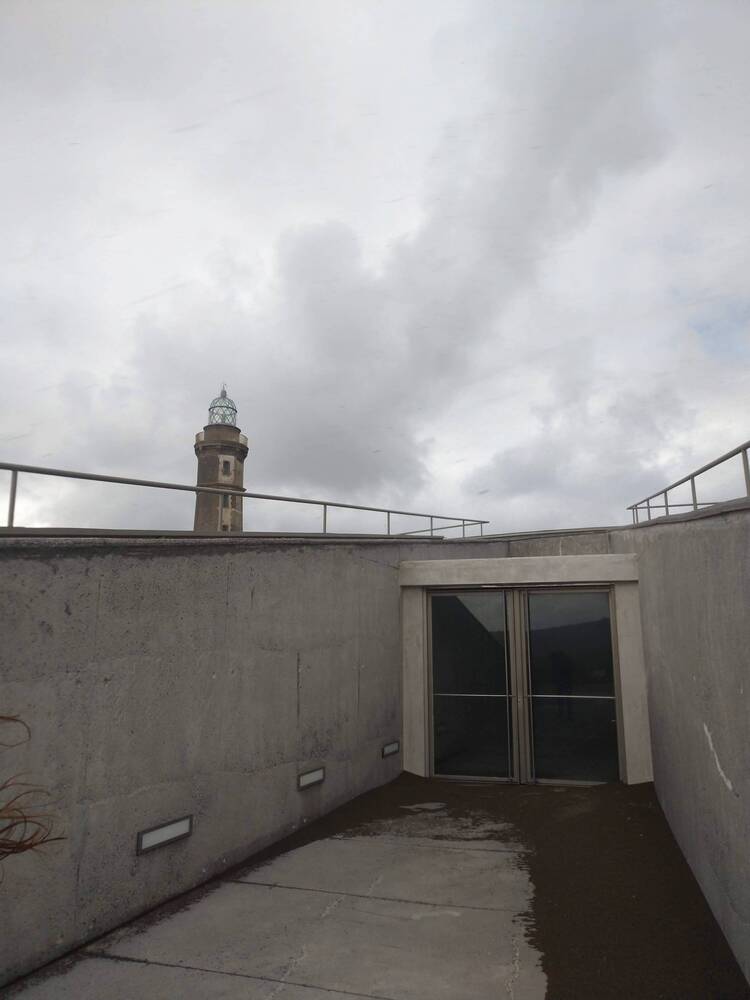
In 2008, the Interpretation Center of Capelinhos Volcano , an underground building located next to the Volcano, was open.
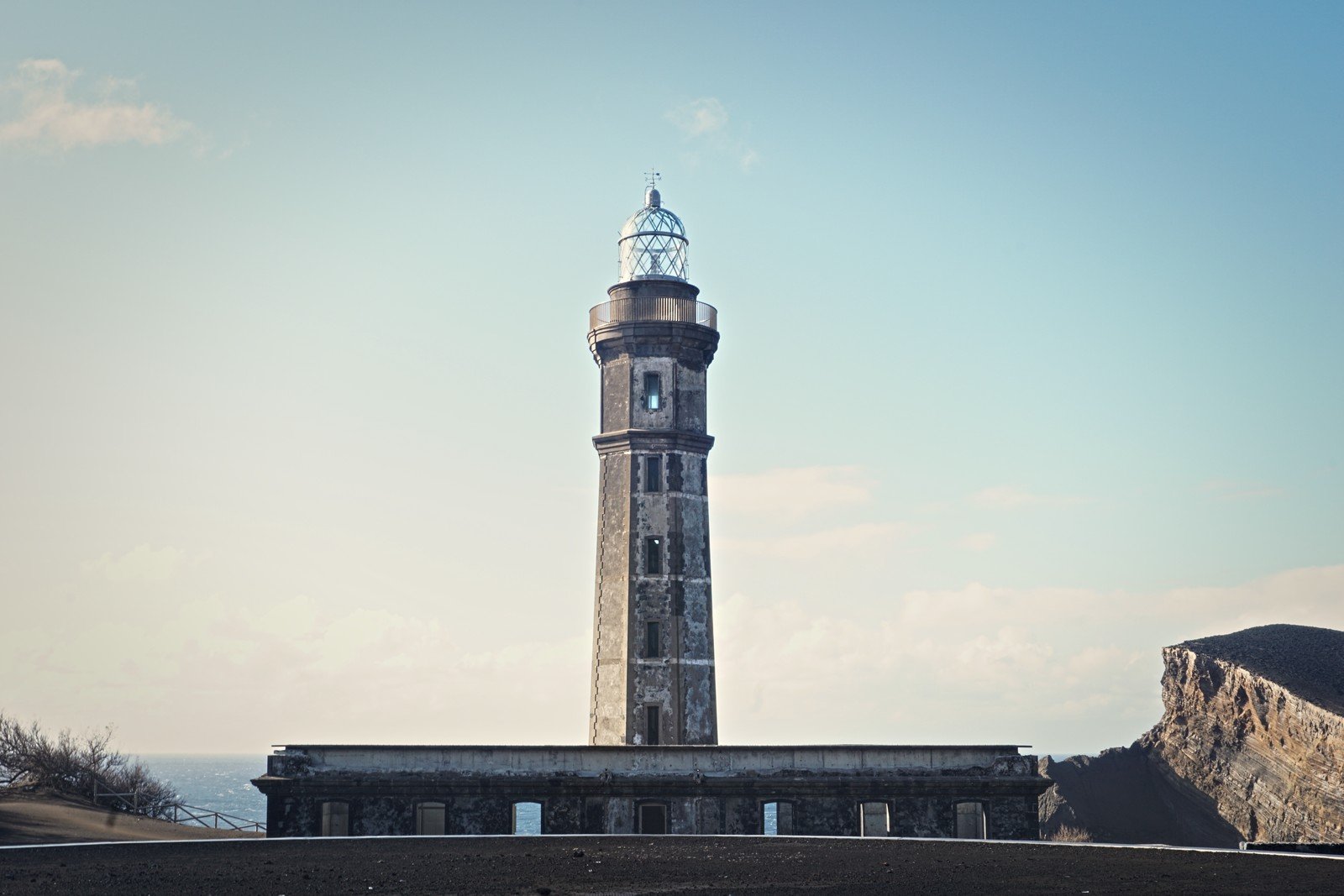
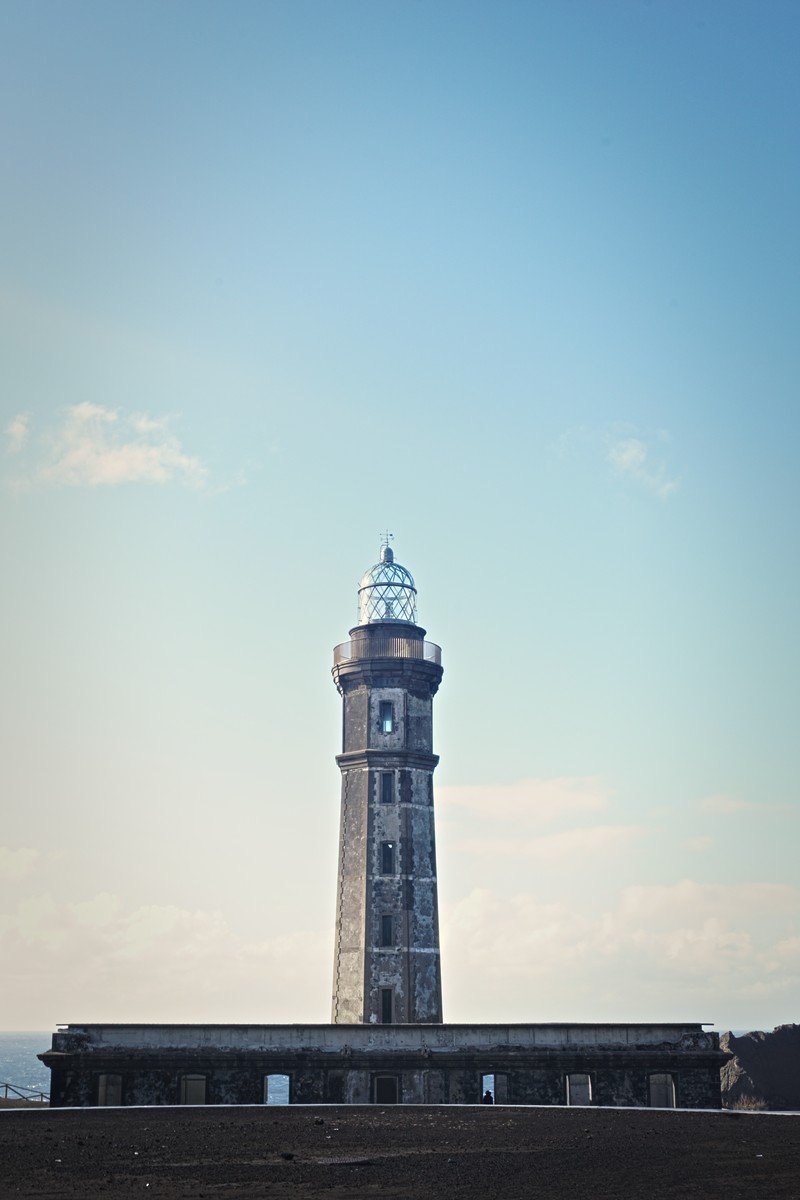
Getting to the building is very easy. Head toward the Capelinhos Volcano, park in the visitor parking lot, and walk toward the lighthouse. Right in front of the lighthouse, you’ll find the entrance to the Interpretation Center, which is an underground building.
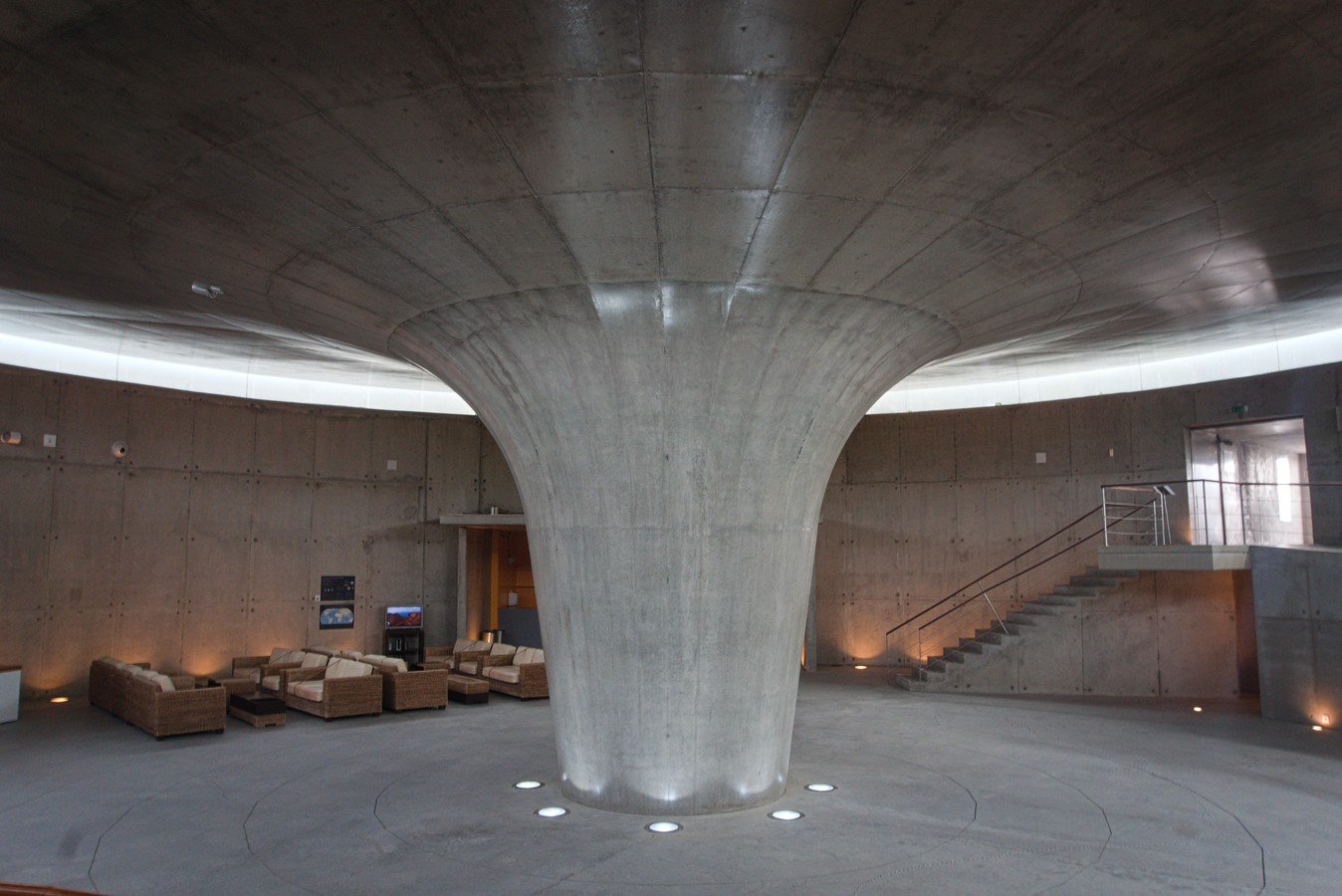
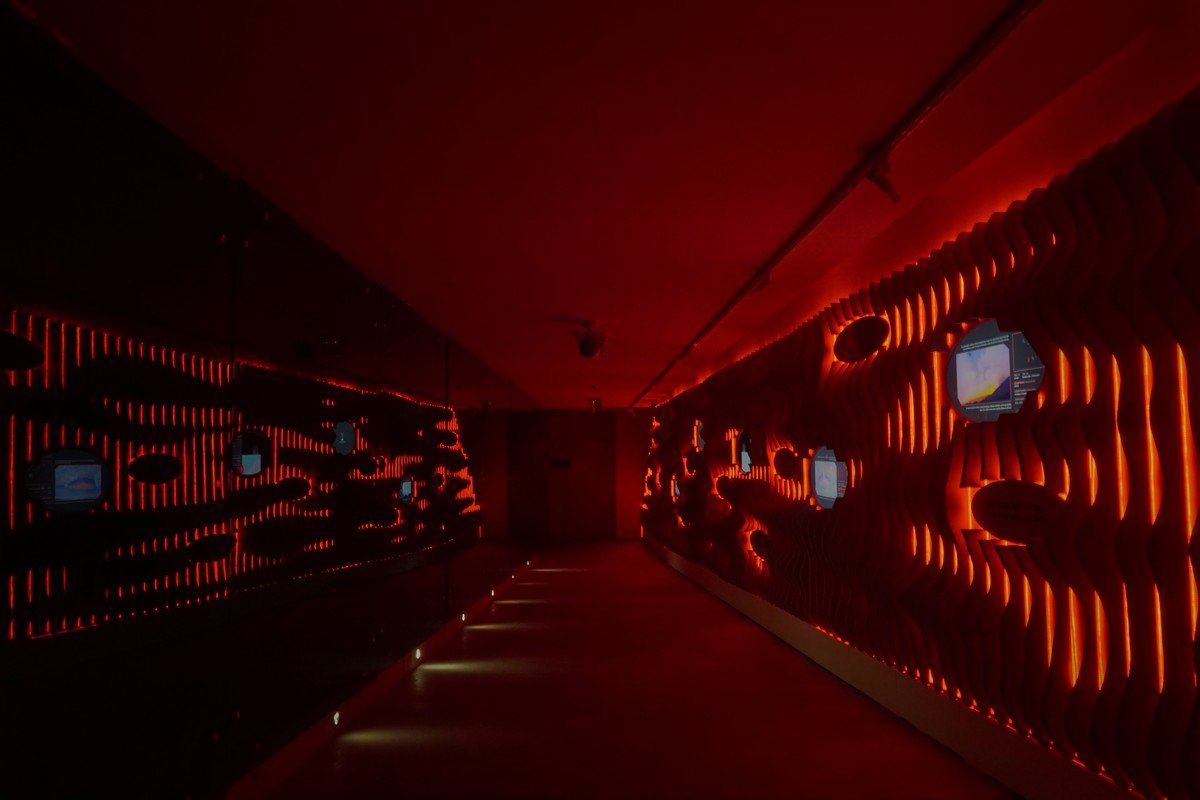
During the off-season (November through March), the center is closed on Mondays and Sundays and is open the rest of the week from 9 a.m. to 5 p.m. During the high season (April through October), it is open every day from 9 a.m. to 6 p.m. It is recommended that you allow about 1h to see the entire facility. You can also take a guided tour.
As for tickets, a full-price ticket costs €10 per adult (2024) and grants access to the Interpretive Center and the Lighthouse. However, you can choose to visit only part of the site: the interpretive exhibition (€6 per adult), the temporary exhibition (€3 per adult), the stereoscopic film (€3 per adult), or just go up to the lighthouse (€1 per adult). You can check the schedule and prices at Azores Government website here.
We decided to buy the full-price ticket and set out to explore this Interpretive Center. The information is presented across several interactive rooms. Since each room has a different layout and offers various activities, the visit is both interesting and fun. Even for the youngest visitors, there are plenty of interactive games.
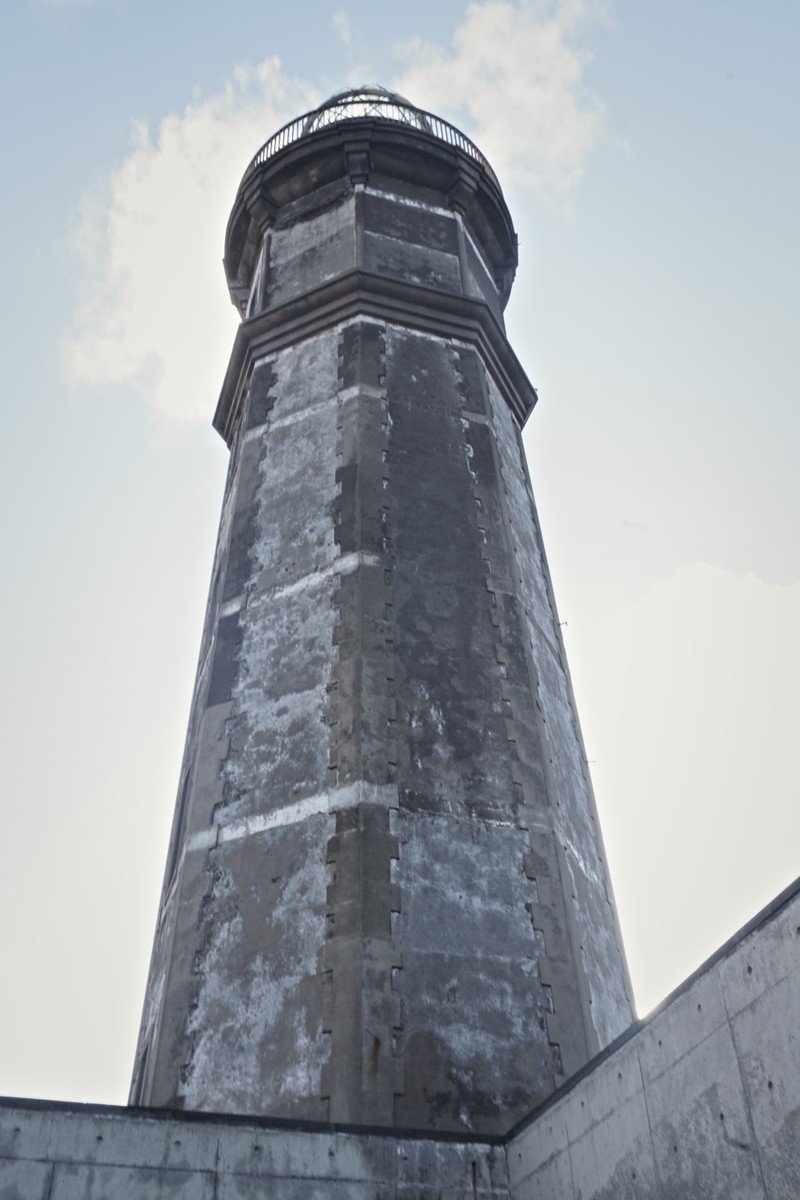
As for the lighthouse, its top is 35 meters high, so the climb requires some physical effort. If, like us, you visit the Capelinhos Volcano on a windy day, the climb to the lighthouse may be prohibited.
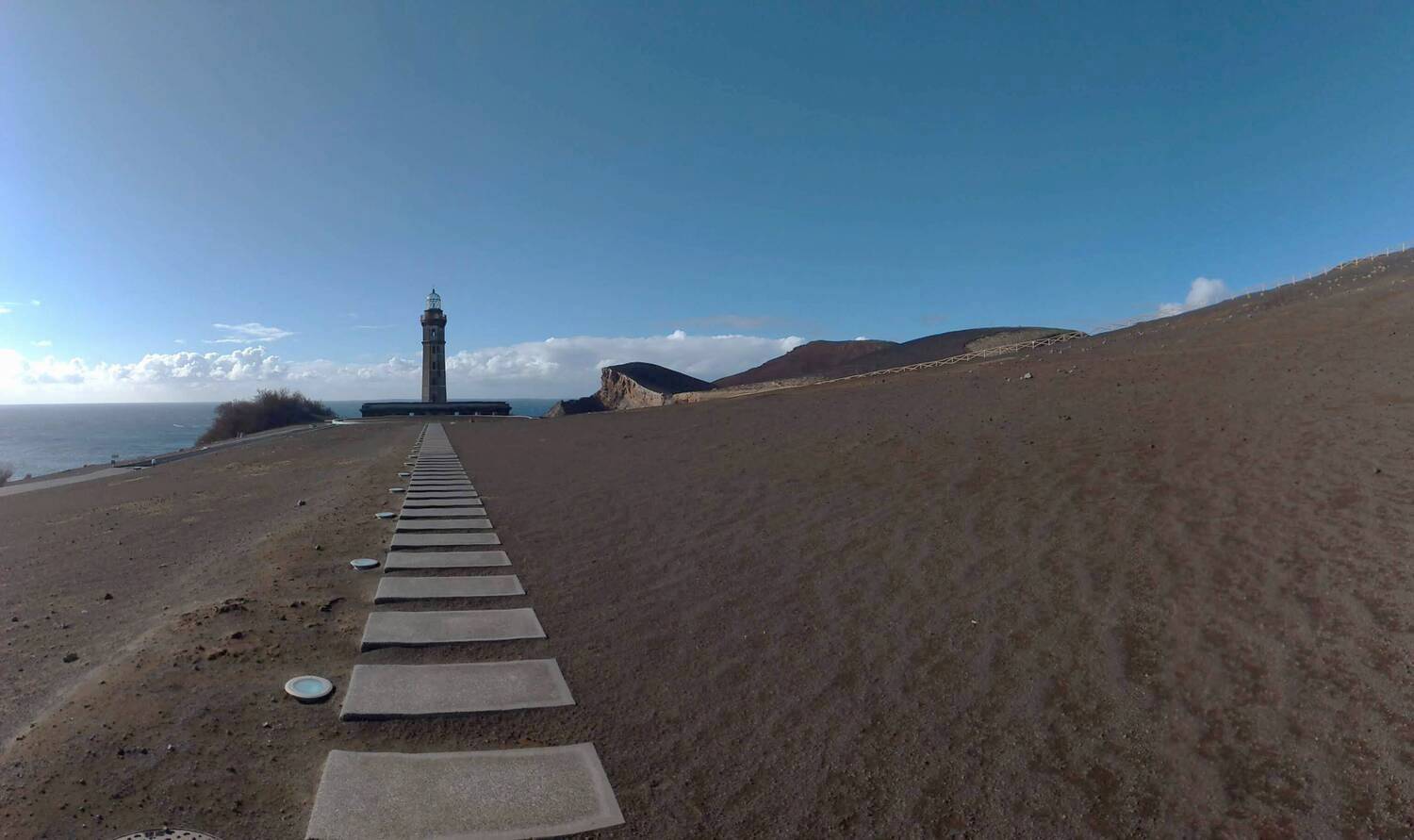
Explore the Surrounding Area
In the vicinity of the volcano, you can also explore a few trails that allow you to get a closer look at this natural phenomenon.
One of them is the Whalers' Trail (More information here). This trail begins and ends at the Capelinhos Volcano Interpretation Center and is approximately 3.8 km long. Among the trail’s points of interest is the 'Costado da Nau' Whale Watching Lookout, where the first signs of the eruption were spotted.
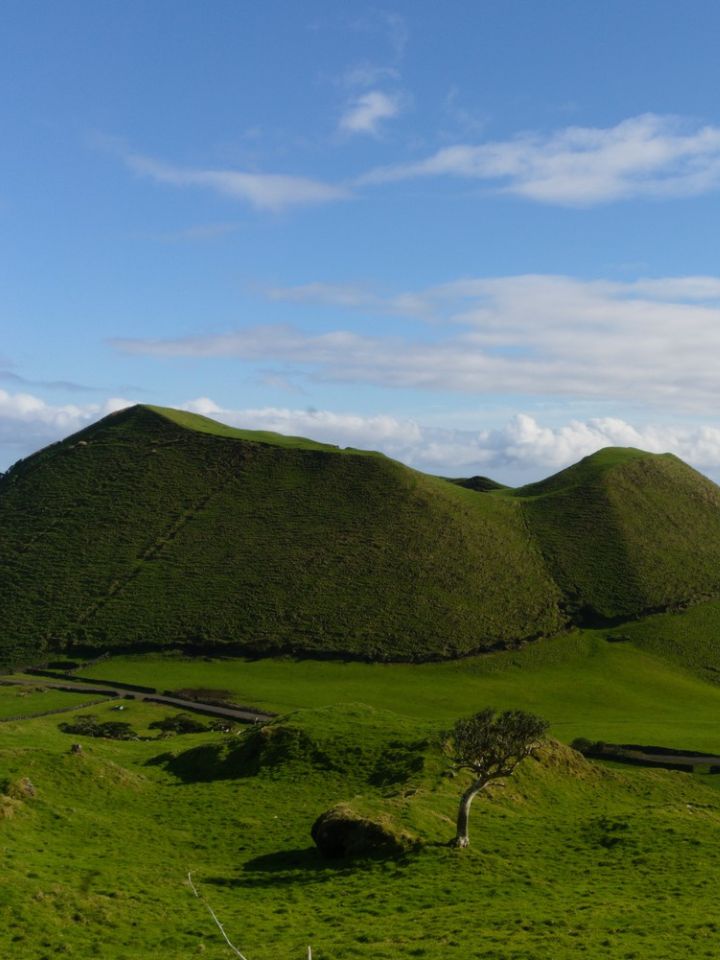
Another trail is the Ten Volcanoes Trail, which is 19.3 km long and runs from Caldeira to the Capelinhos Volcano.
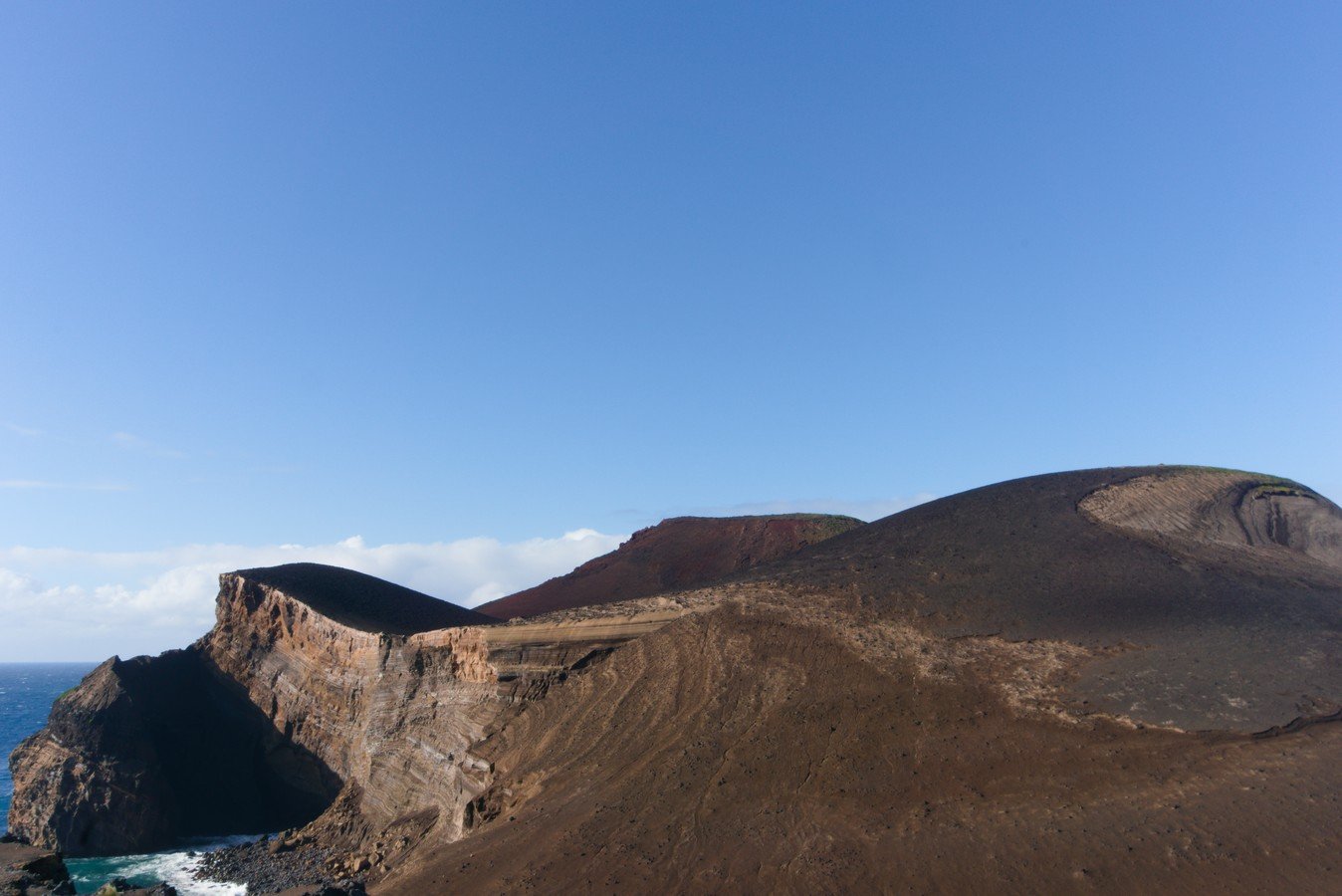
As the most famous landmark on Faial Island—and one of the most famous in the Azores—the Capelinho Volcano is a must-see for anyone visiting this island or the surrounding islands.