In Lisbon, in the Belém neighborhood, we find Quake, a museum dedicated to the 1755 Lisbon earthquake. Although it may seem like a somewhat unusual concept, the truth is that it works very well. Here, we learn more about earthquakes, how to protect ourselves from them, and, of course, about the great Lisbon earthquake. At the same time, we’re taken on a journey through history, where we walk the streets of 18th-century Lisbon and learn about the consequences of this natural disaster. Translated with DeepL.com (free version)
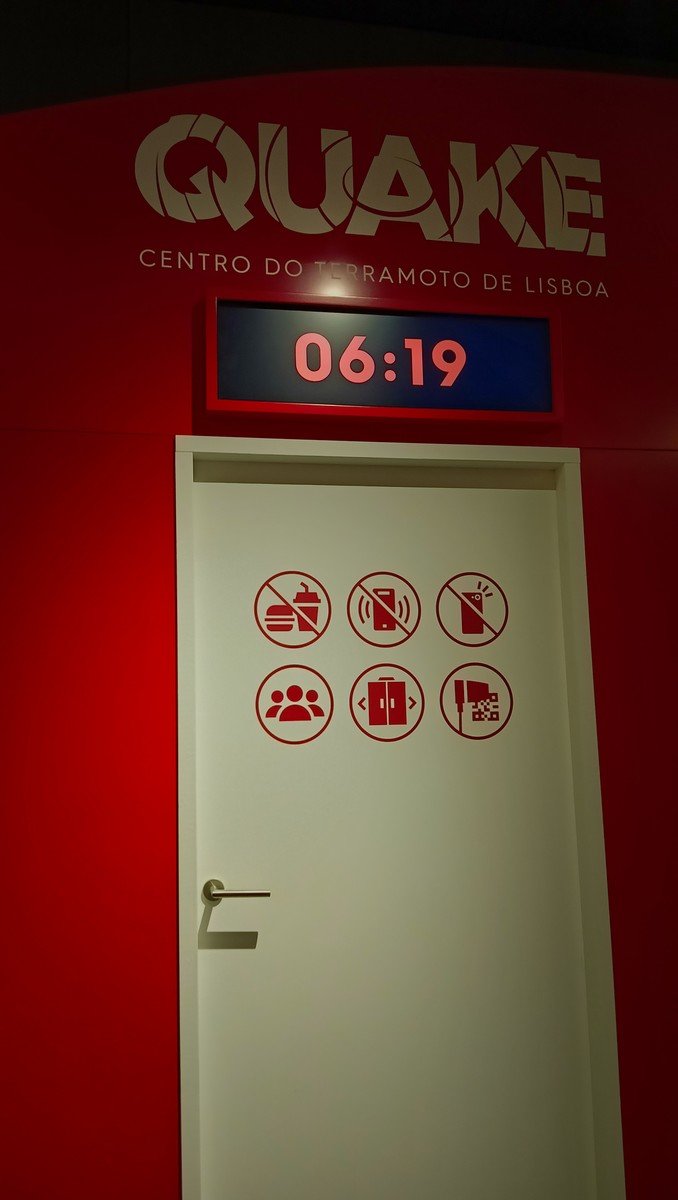
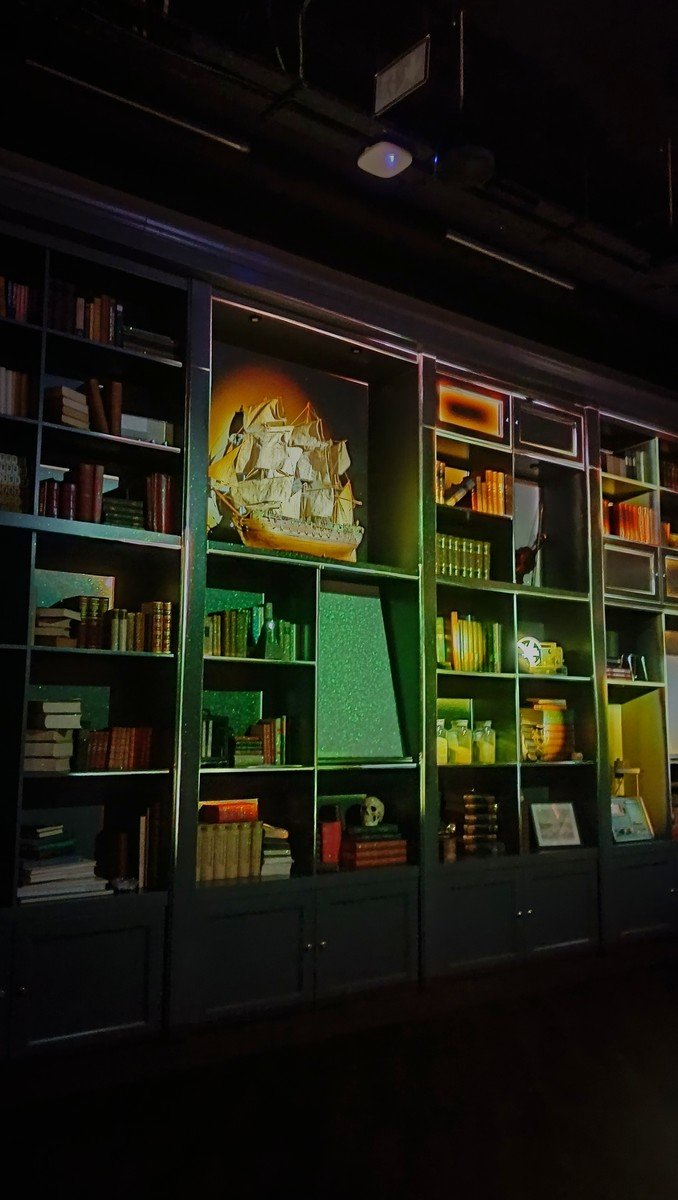
About Quake
The museum is open daily from 10 a.m. to 6 p.m. Admission costs approximately €25 per adult (as of 2025) if purchased in advance on the website (here). Please note that the cost varies depending on the time of year and the day of the week. When you book your ticket, you’ll need to select a time, so be sure to arrive before your selected time. Tickets purchased on the spot don’t come with a discount, so the price is higher.
When it comes to tickets, we strongly recommend buying them online in advance. Also, if possible, try to visit on a weekday, since it’s cheaper and you’ll avoid the crowds in this part of Lisbon on weekends.
When you arrive at the museum, go to the reception desk and show your ticket. There, you’ll receive a wristband in a specific color. Now you’ll need to wait until your wristband color is called before entering. There are lockers in this area where you can leave your backpacks.
The tour begins as you descend the stairs to a lobby, where you’ll receive an explanation of the experience you’re about to see and the purpose of the wristbands. Throughout the museum, if you’re curious about any topic, you can swipe your wristband over a sensor to receive more historical details via email.
Quake Experience: What to Expect?
Within the first few minutes, you will understand the type of museum you are about to visit: surprising, diverse, and interactive.
Comprising several distinct rooms, and with a narrative that unfolds from the very first room, the tour moves along at a brisk pace and is fascinating, with new things happening all the time.
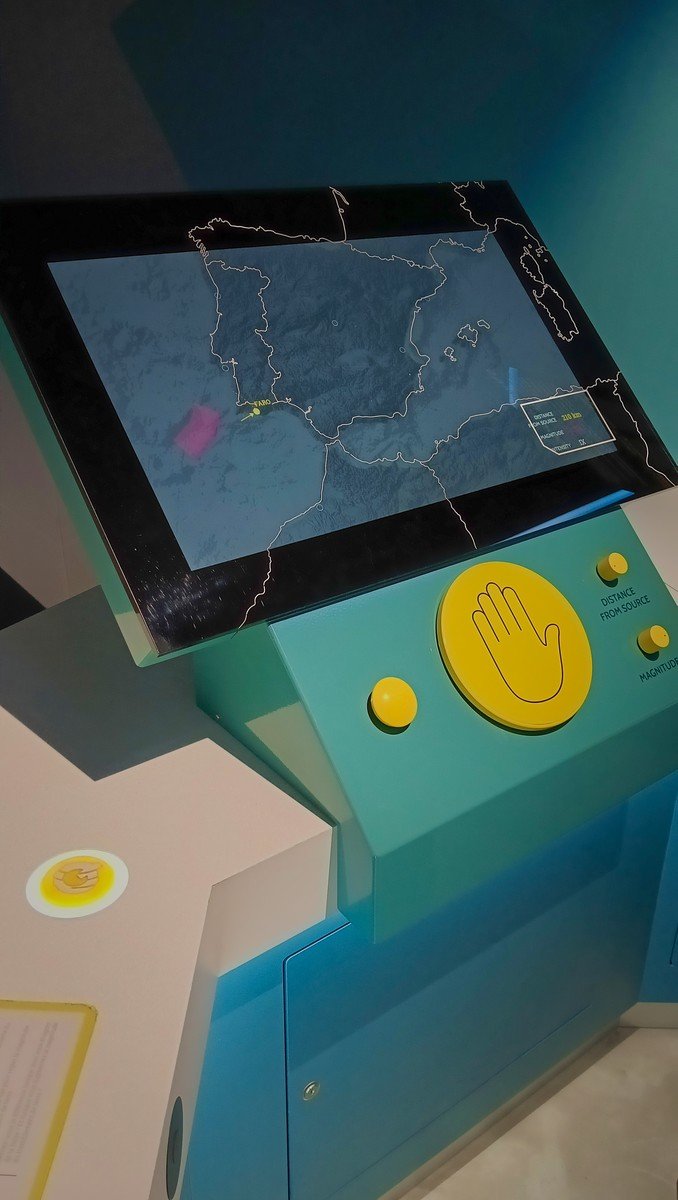
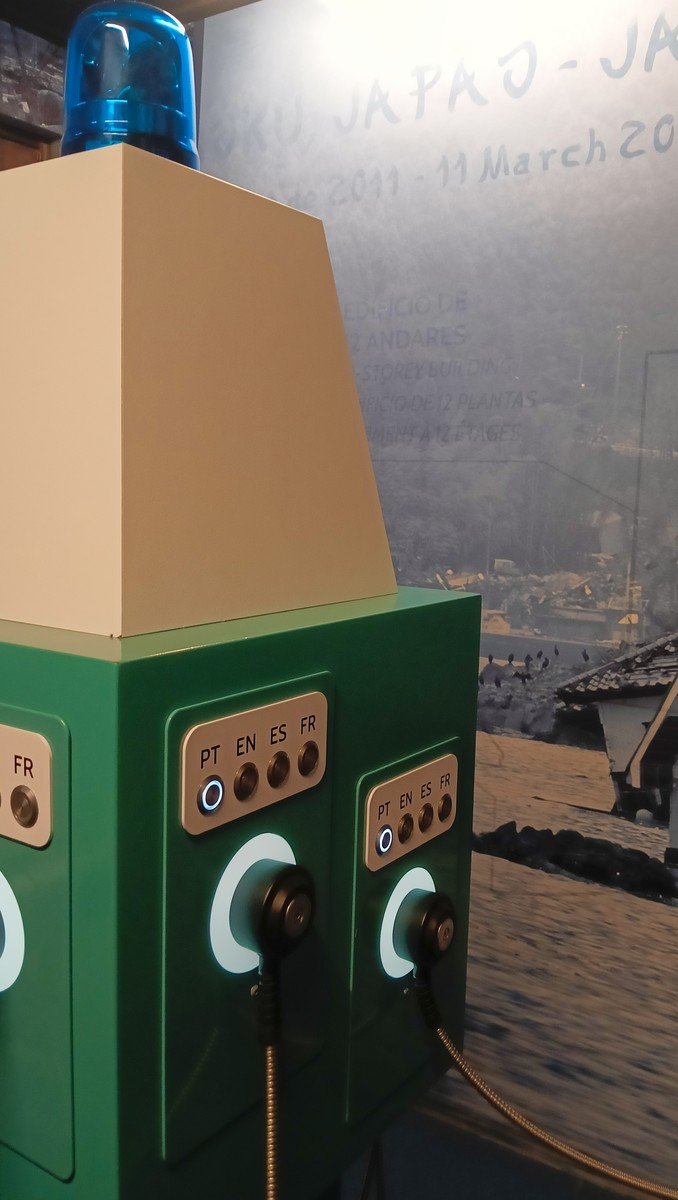
In total, visitors will explore 10 immersive rooms, each focused on one of three different themes:
- There are rooms entirely dedicated to major earthquakes in history. These rooms offer an immersive experience, where we feel as though we are right there, experiencing the events firsthand.
- Other rooms are designed to help visitors learn more about earthquakes and how to protect themselves. This is the most educational aspect of the exhibits and is, of course, very important.
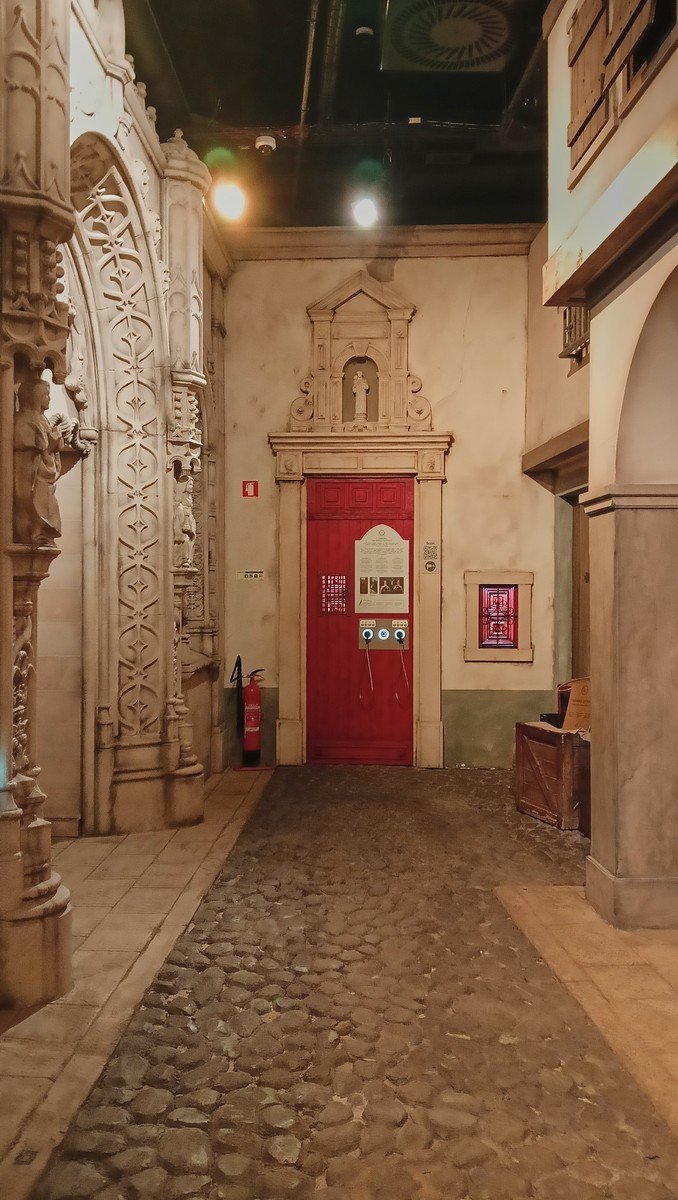
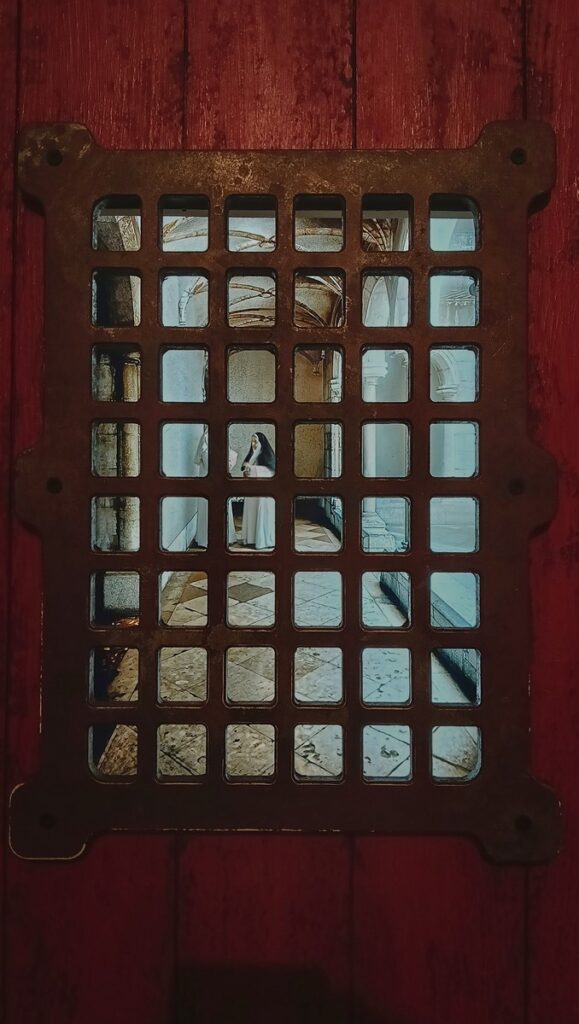
- The rooms that give the museum its name are dedicated to the 1755 earthquake. Among these rooms, the famous earthquake simulator stands out, as does the room where the streets of Lisbon from that era have been recreated.
During the tour, we stay with the same group throughout (except for the last room, where you can choose to spend more time), and there is a guide in each room to assist with the experience. In the case of the rooms dedicated to earthquake education and preparedness, there is usually a set amount of time allotted for exploring them.
Is it worth it?
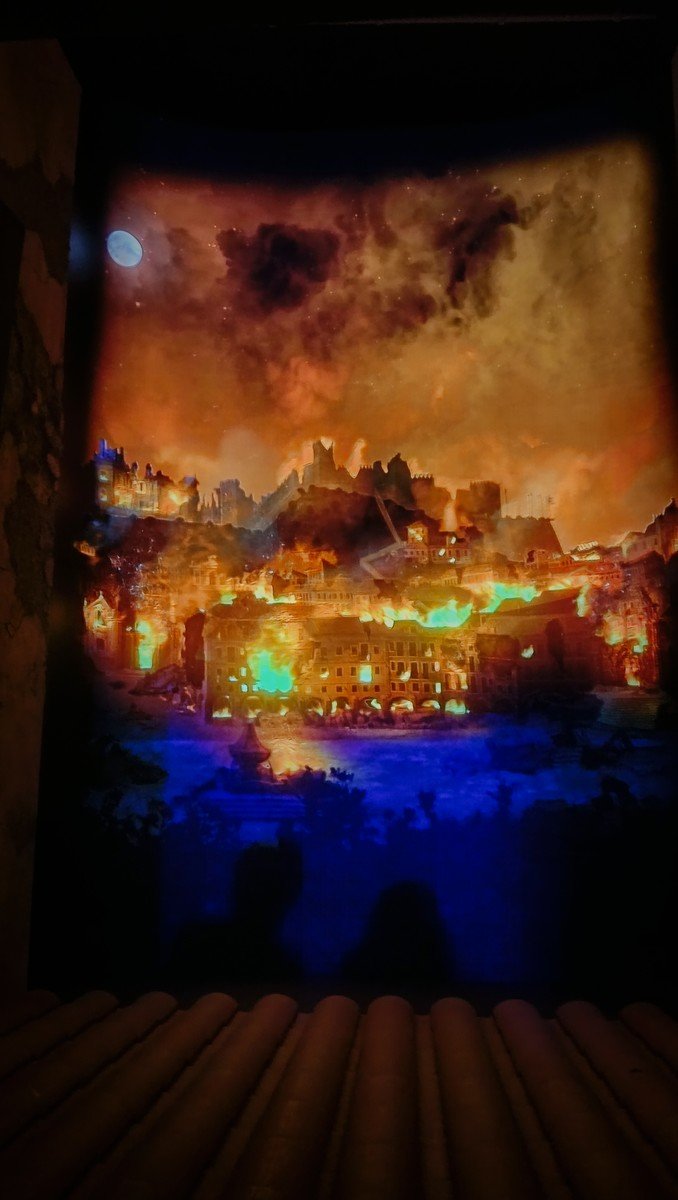
Quake is undoubtedly an experience worth having. First of all, it’s a museum that’s completely different from the ordinary, innovative, and highly immersive.
At the same time, it has a very interesting educational aspect. The addition of the wristbands to receive more historical information via email is an incredible detail that we’d never seen anywhere else—and it worked perfectly!
And finally, the tour is just the right duration. It’s about a 90-minute journey through various rooms, leaving us wondering exactly where we are in the building. The time is perfectly allocated among the rooms, and the guides are enthusiastic and always ready to help.
The price is, of course, a bit higher than most museums, but since it’s a unique experience and if you have the chance, we consider it money well spent—it’s the kind of museum that will always stay in the memory of those who visit it.