Moura, near the Alqueva Dam, is another place we recommend stopping to visit in the region. In our case, this city was affected by the heat that day: 42°C, which forced us to shorten our tour and opt instead for a cold drink on the terrace. But not before visiting the main attractions of Moura!
Moura has a rich historical heritage
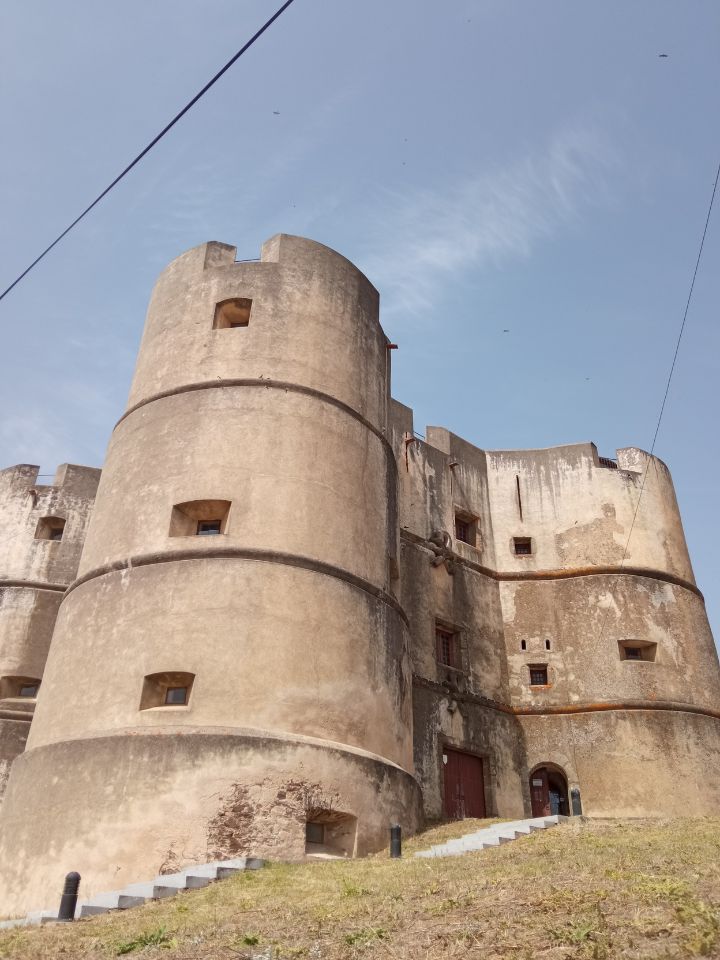
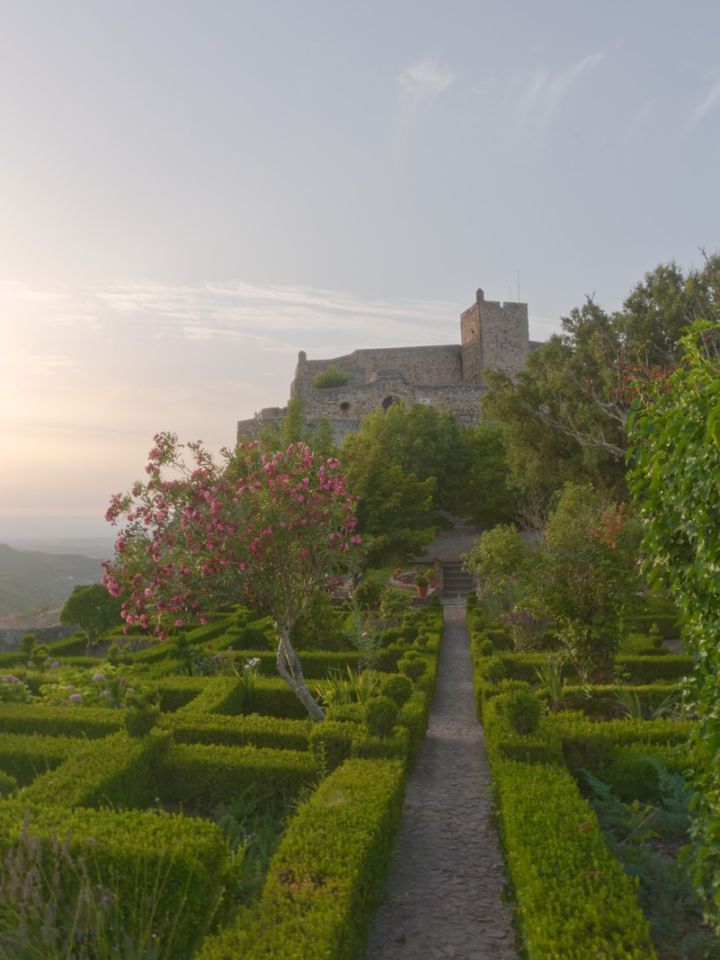
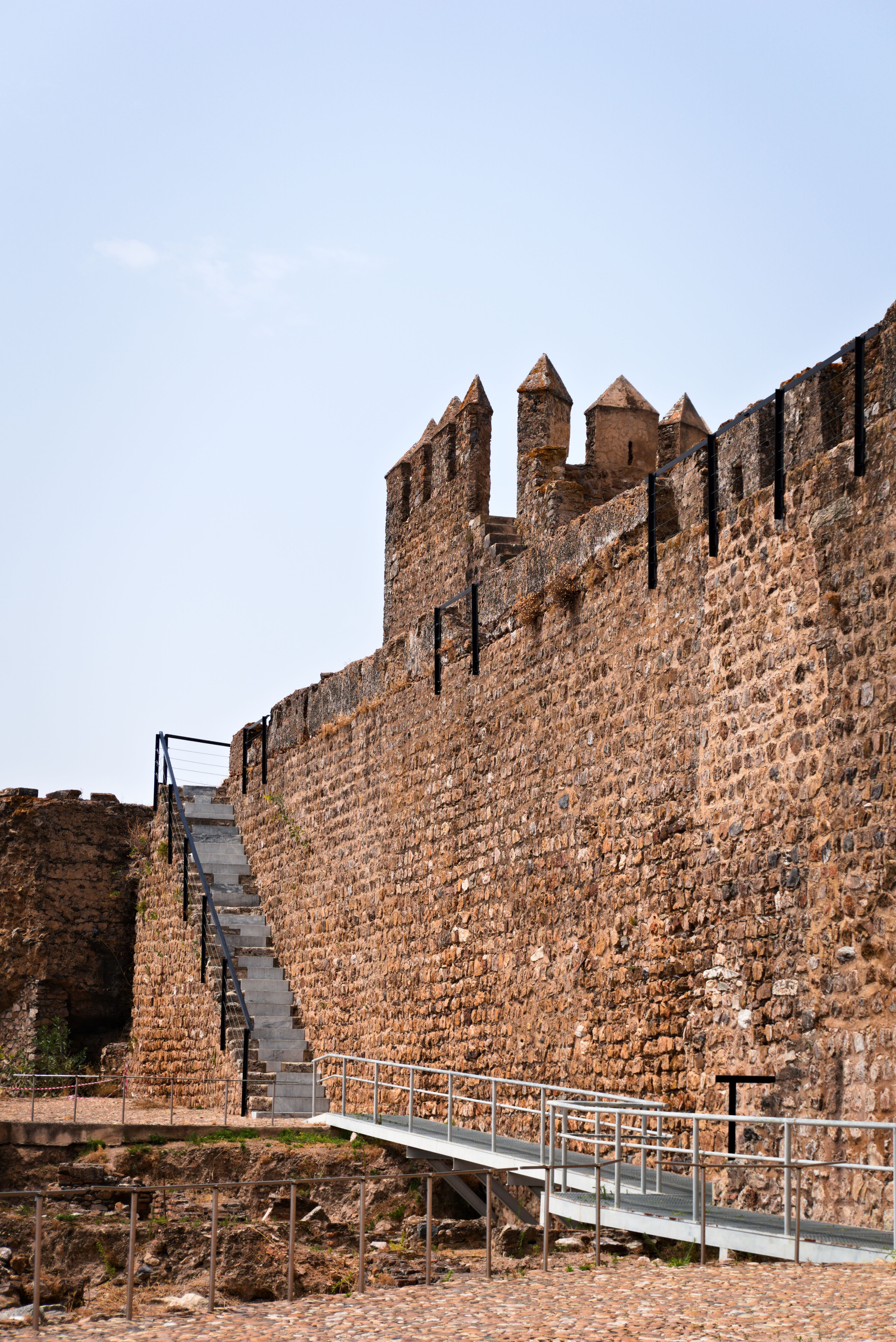
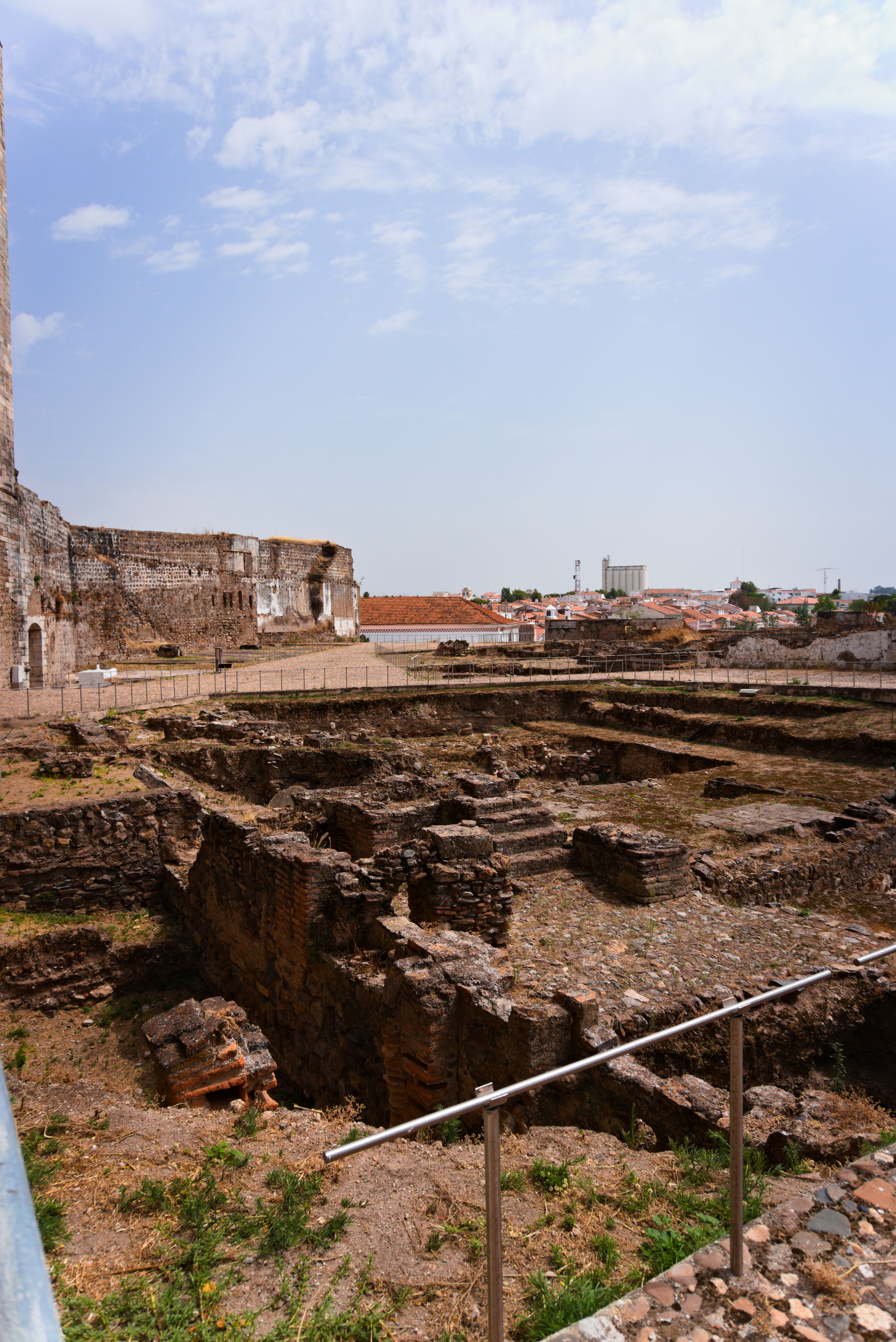
At the highest point of the city, you will find the Moura CastleBuilt in the 14th century (on the site of a previous Moorish construction), it suffered damage over the years, including an explosion during the War of Spanish Succession and, later, the 1755 earthquake. All that remains of the original construction today is the keep and the wall, but it is still worth a visit!
Admission is free (in 2021) and it is not usually very crowded, so you can explore at your leisure.
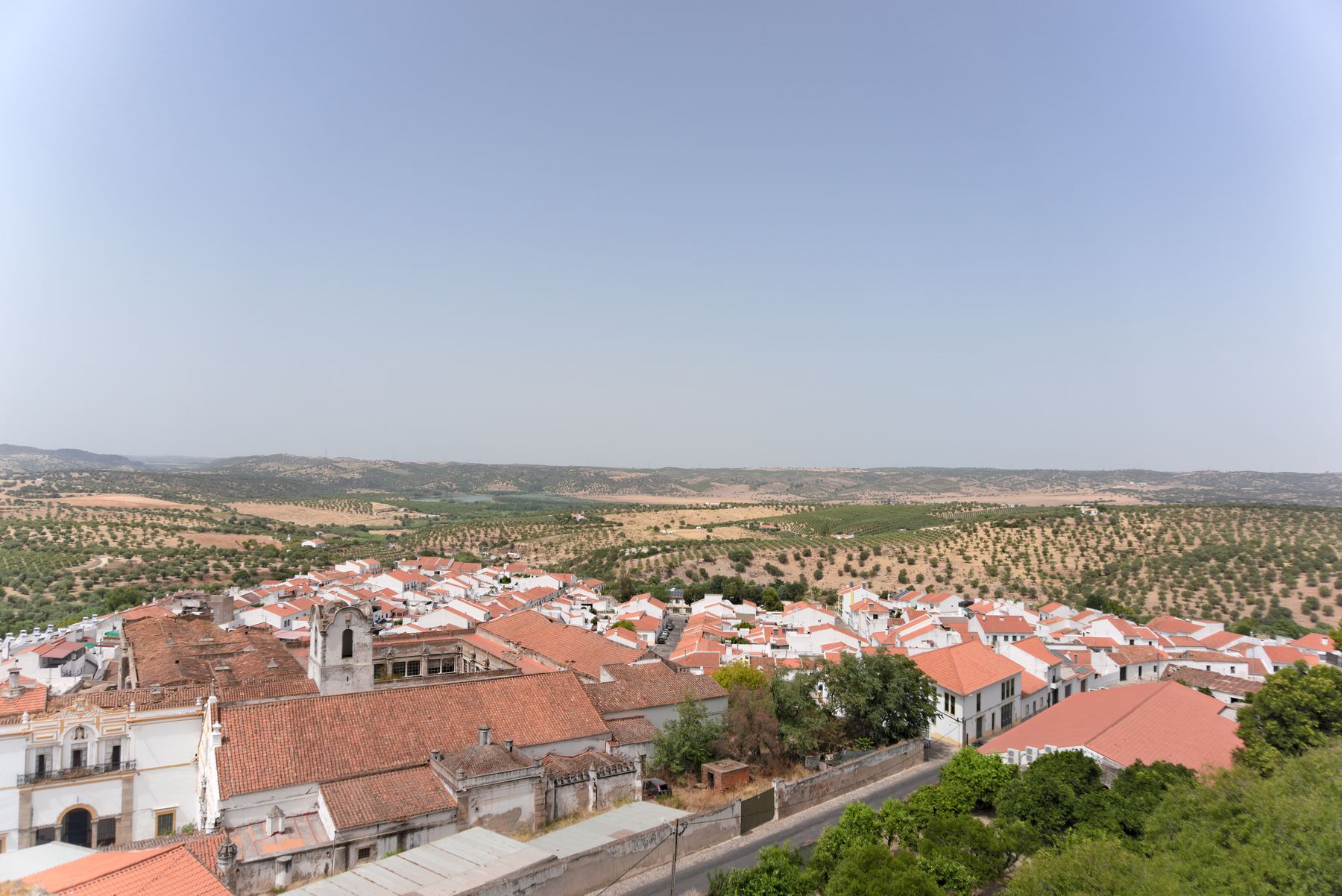
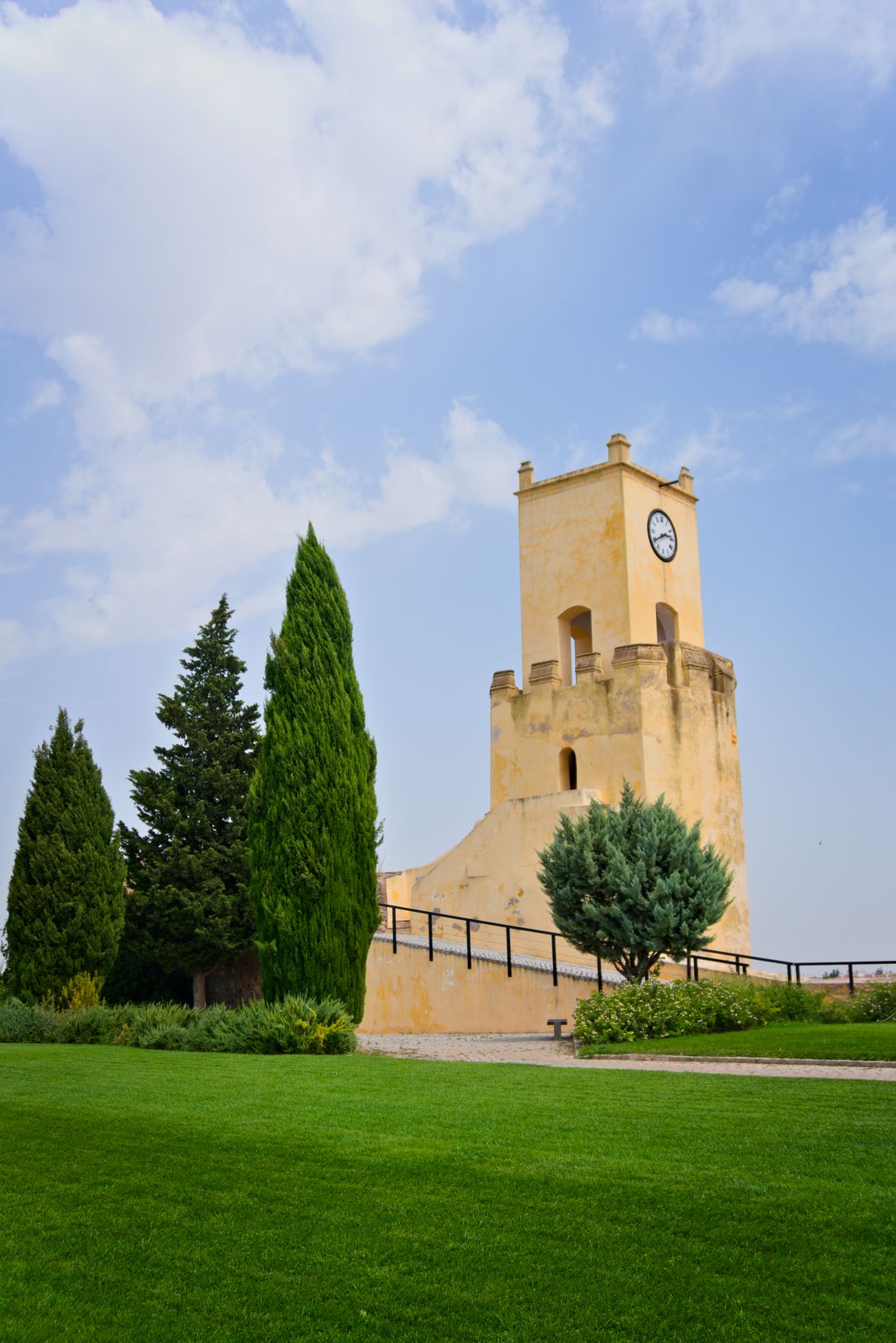
Be sure to look around and enjoy the view of the surrounding Alentejo region and the Moura Clock Tower, which is also free to enter (in 2021). The base of the tower dates back to the 16th century, while the upper part was built at the end of the 19th century.
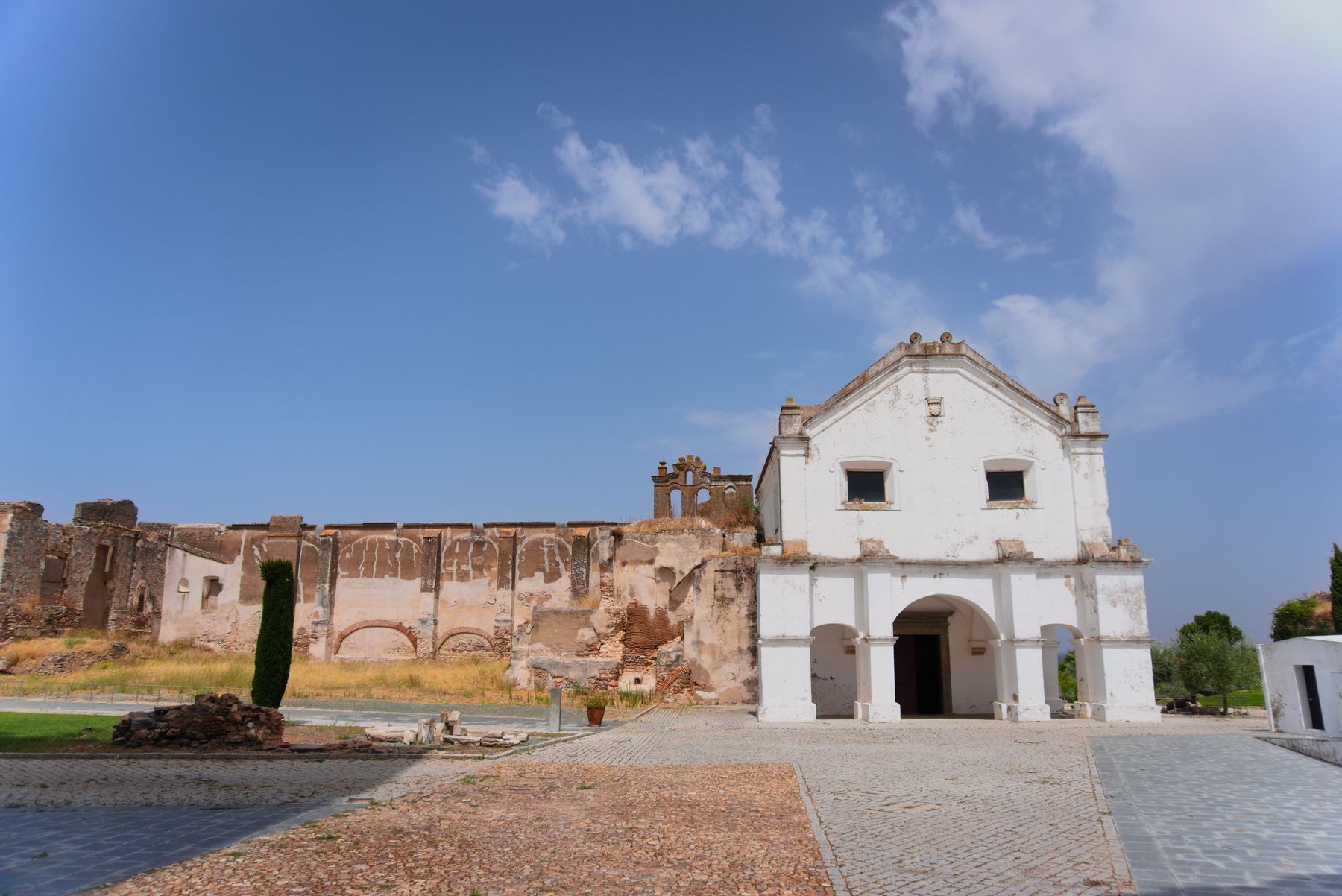
Junto ao Castelo vão encontrar as ruins of the Dominican Nuns' Convent, with a large church attached, the Monastery and Church of São Domingos de MouraAt the time of our visit (2021), the church was open because the city council was carrying out work there, but it seemed to us that the church no longer serves its original purpose.
About 400 meters away, we find the Carmo Convent in Moura from 1251, a convent of the Carmelite Order, the first of this order to be founded in Portugal and the Iberian Peninsula. Unfortunately, the church is closed due to restoration work.
Next to the beautiful facade of the City Library, we find a building marked “Estabelecimento Termal” (Thermal Establishment), where you can explore the garden, the Dr. Santiago Garden. There are also plans to reactivate the thermal baths, but nothing is certain yet.
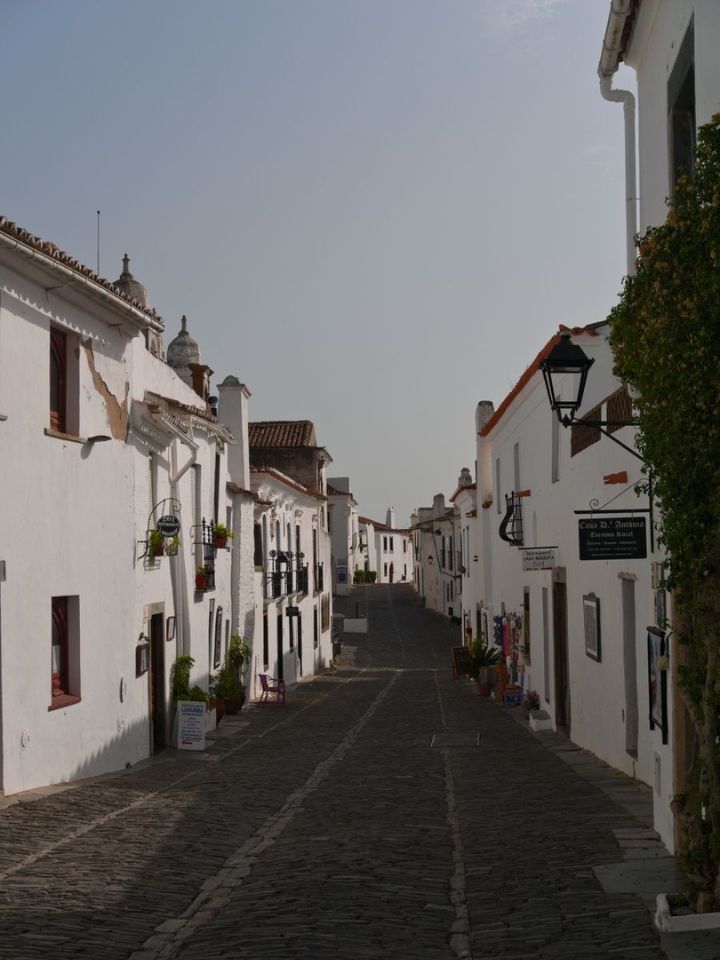
Having been a region under Moorish rule, there is a Moorish quarter here, but this is not a simple masonry: it is the oldest in the Iberian Peninsula. In the heart of the Moorish quarter, you will find Casa dos Poços, a small Arab museum where there are three Arab wells. Unfortunately, this was the part of the trip where the heat prevented us from exploring.
Around the historic area there were also watchtowers or lookout towers, of which there were probably four or six. Today you can still visit the Skinny Watchtower, despite its dilapidated state.
Despite all the places mentioned above, Moura is a highly comprehensive destination. On the Moura City Council website, you will find a list of all the places to visit in the region, including museum centers and schedule updates. On the City Council website, you will also find the option to virtual tours of Moura, which we recommend for those who, like us, found some places closed or didn't have the opportunity to explore everything this beautiful city had to offer.
If you have the opportunity, be sure to explore this typical Alentejo town, steeped in history, full of friendly people and, of course, very warm!
more to see