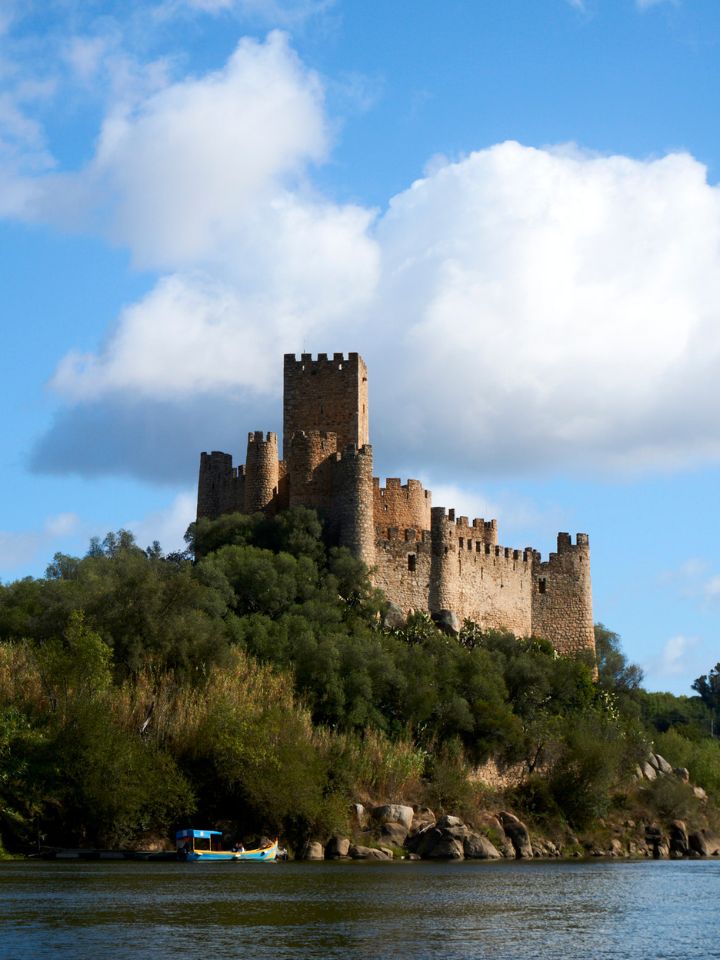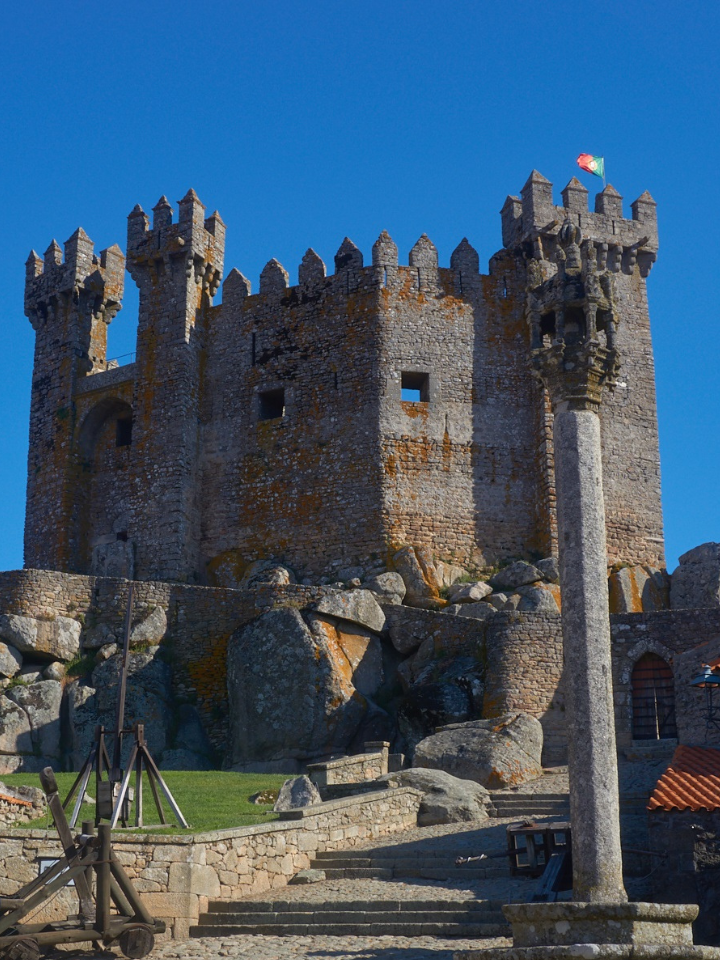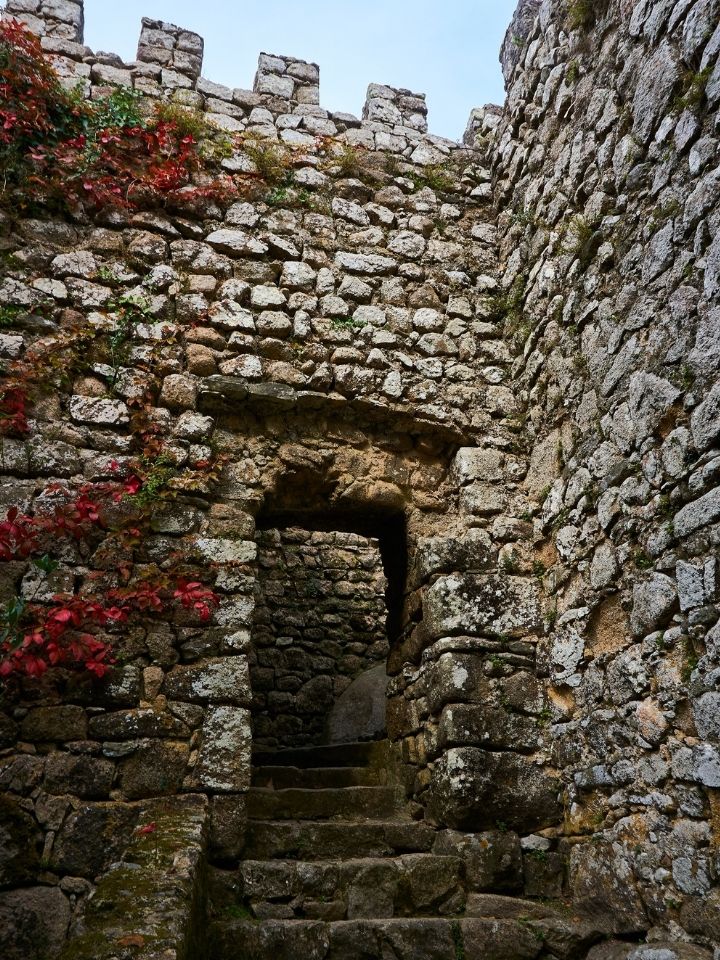
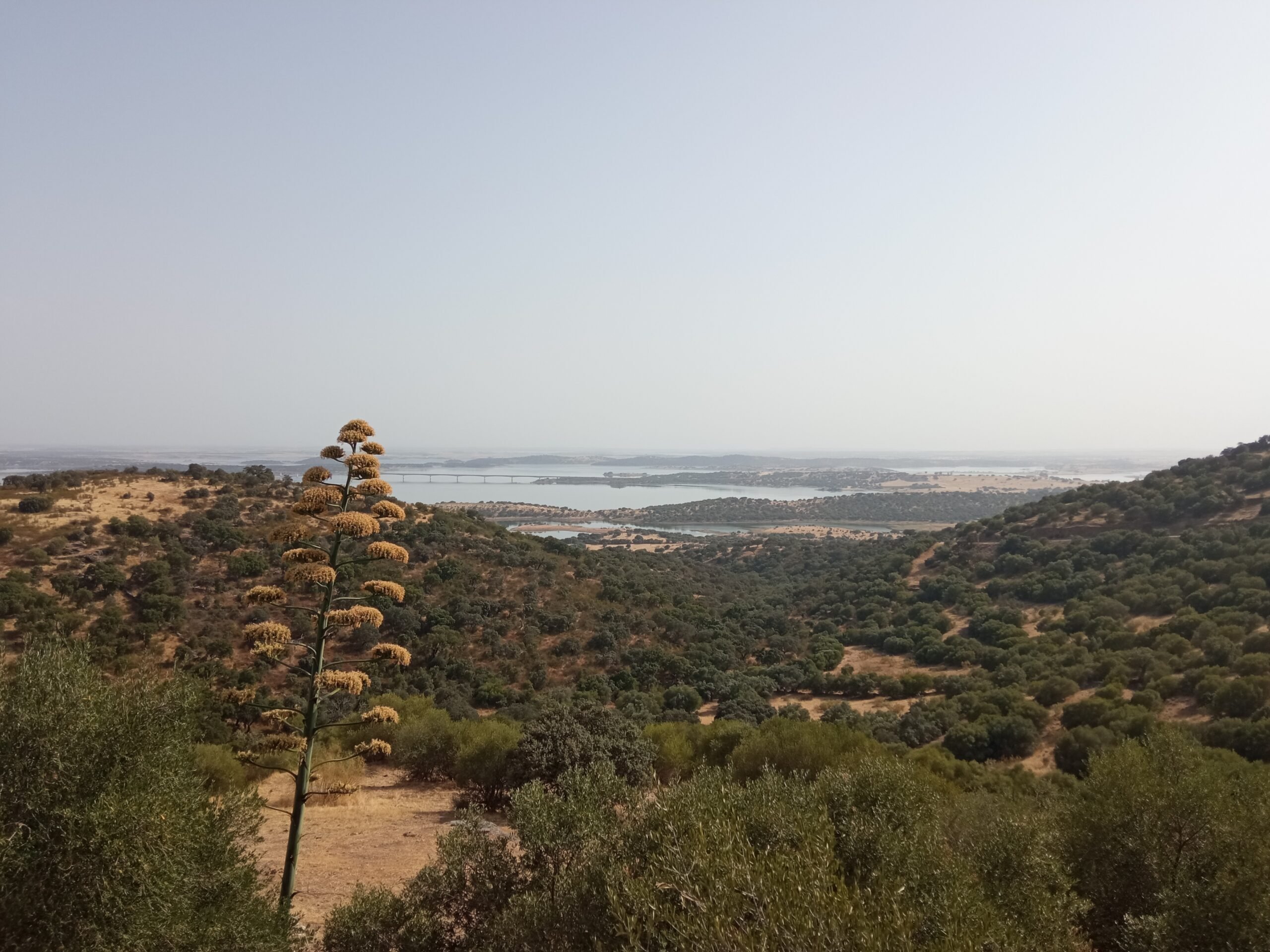
The region around Alqueva is one of the best areas in the country for family vacations, as it has practically everything: historical heritage, good food, river beaches, sports and/or nature activities, and much, much more. With that said, we embarked on a four-day adventure through this region, which we present below.
On the Way to Alqueva: Arraiolos
Coming from the north to Évora (where we were going to spend the night), we decided to start our trip through the Alentejo in Arraiolos: the Village of Carpets.
Here, explore the streets, see the Portuguese Cobblestone to Arraiolos Rug (a 7.80-meter by 5.40-meter installation) and visit the Arraiolos Carpet Interpretation Center.
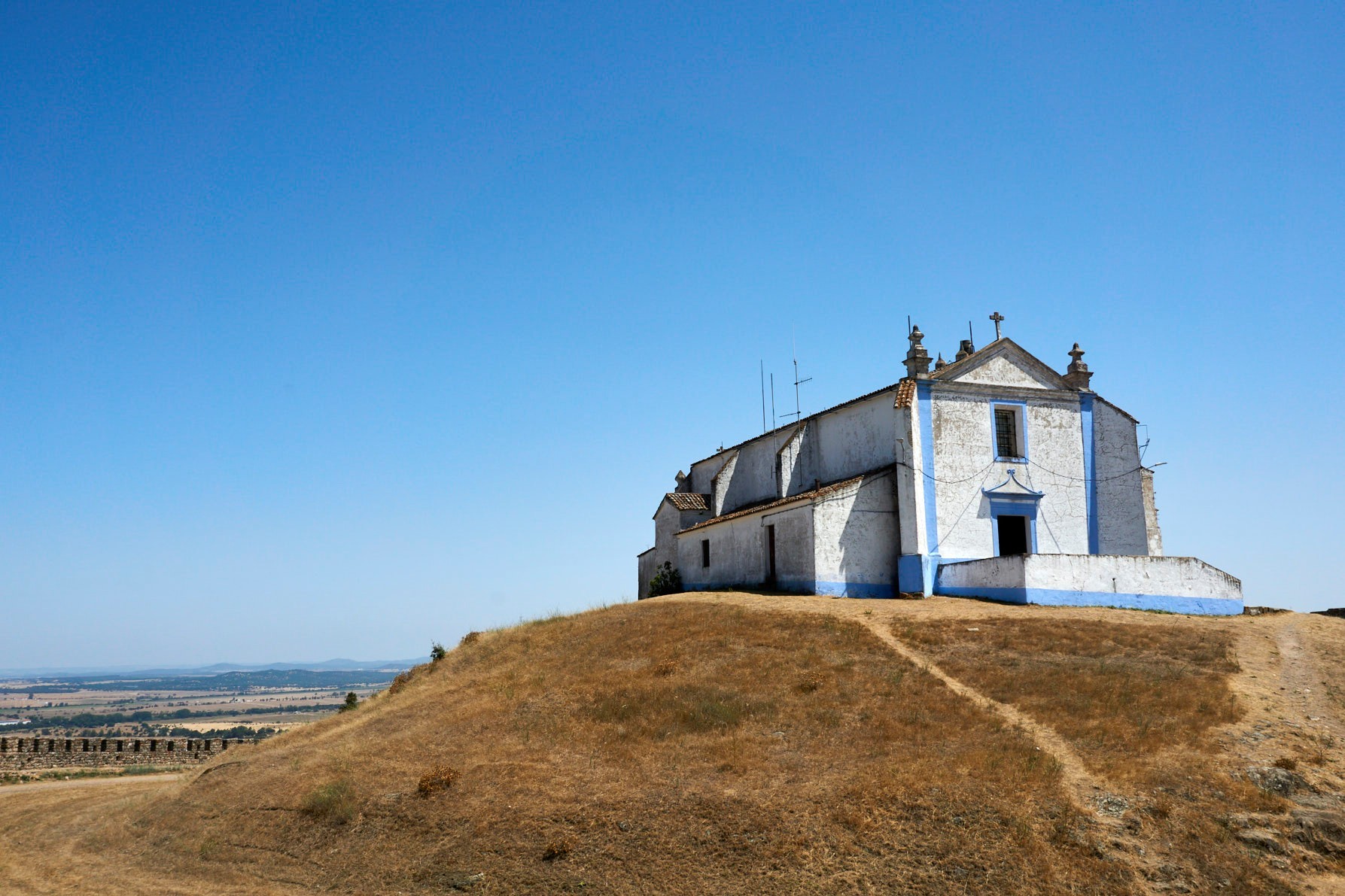
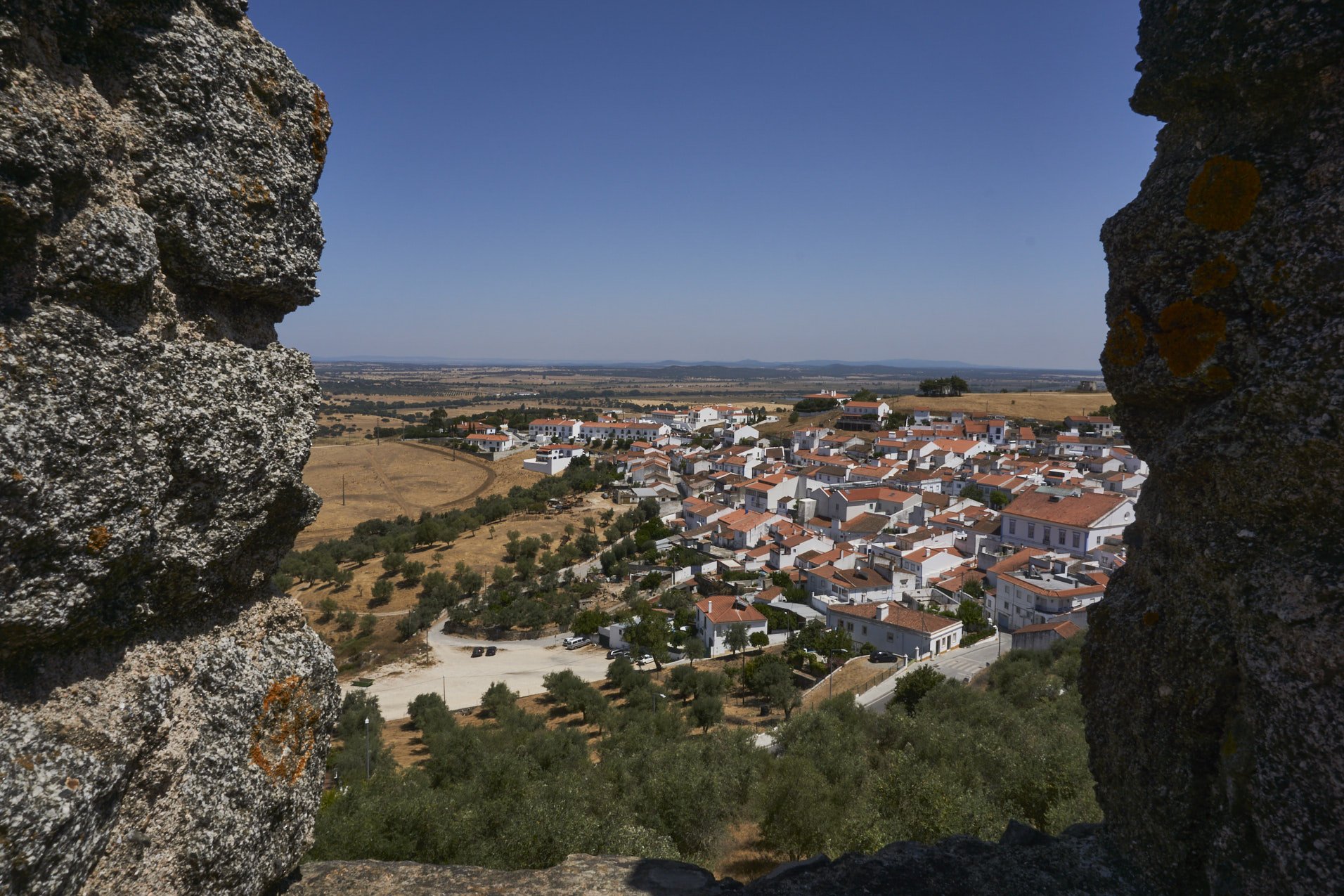
Finally, don't leave Arraiolos without visiting the Arraiolos Castle, famous for its circular shape. Admission is free (2024) and, despite its dilapidated state, the view of the surrounding Alentejo region is magnificent. Inside the walls is also the Church of the Savior. If you want to know more about this peculiar castle, go here.
Évora
We continue on our way to Évora, a must-see for anyone visiting the region.
With an extremely rich history and being a city full of life, Évora deserves a few hours of your time. Start by wandering the streets and seeing where they take you. In these historic streets you will find local businesses, grand churches, and even an aqueduct.
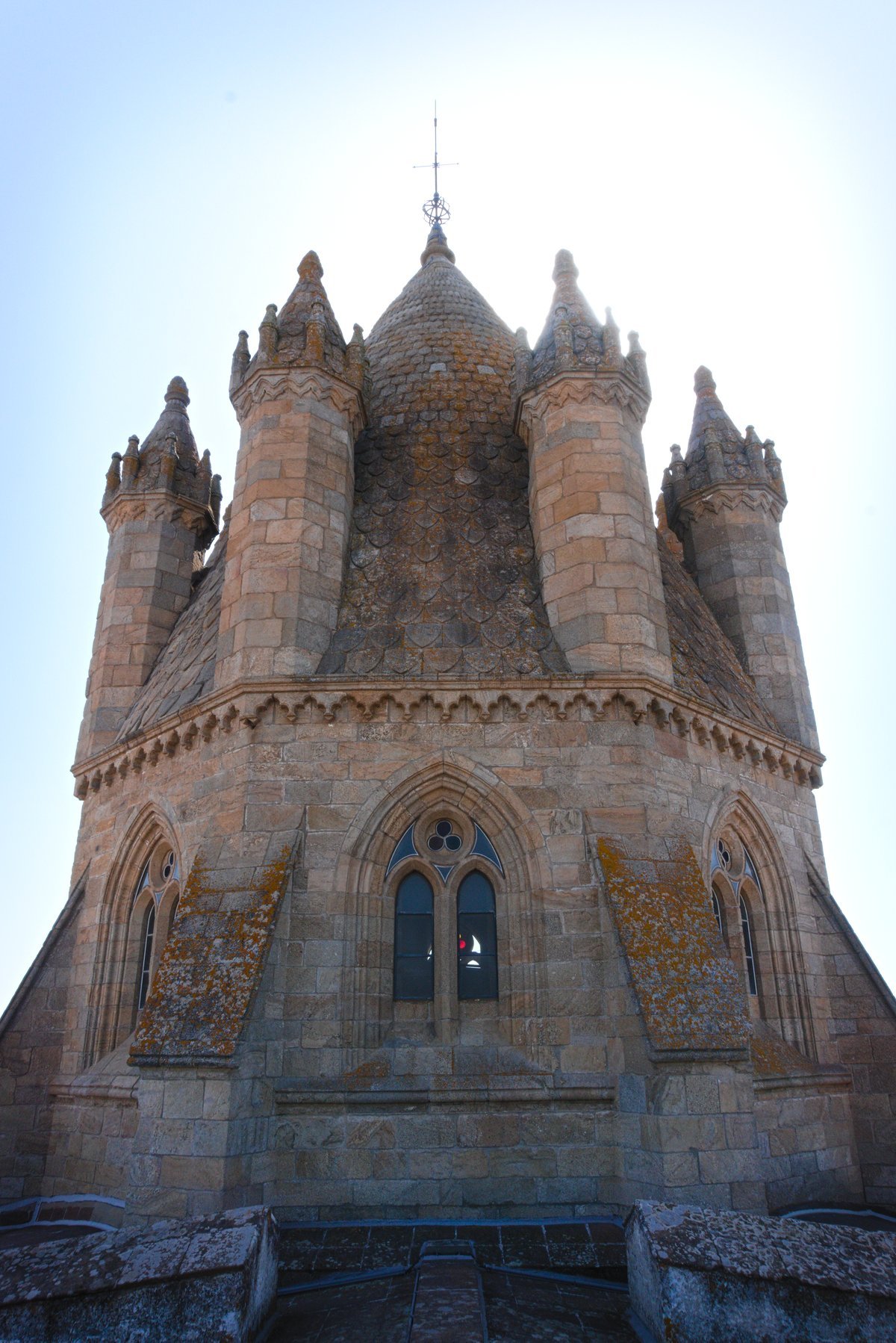
Be sure to also visit the Évora Cathedral (or Cathedral of Our Lady of the Assumption), founded in 1186. The full tour costs €4.50/adult (in 2023) to visit the Museum of Sacred Art, the interior of the church, the cloister, and the tower, but you can choose to visit fewer parts and pay a lower price (confirm prices for the various types of visits here). This is the largest medieval cathedral in the country, so it is definitely worth a visit.
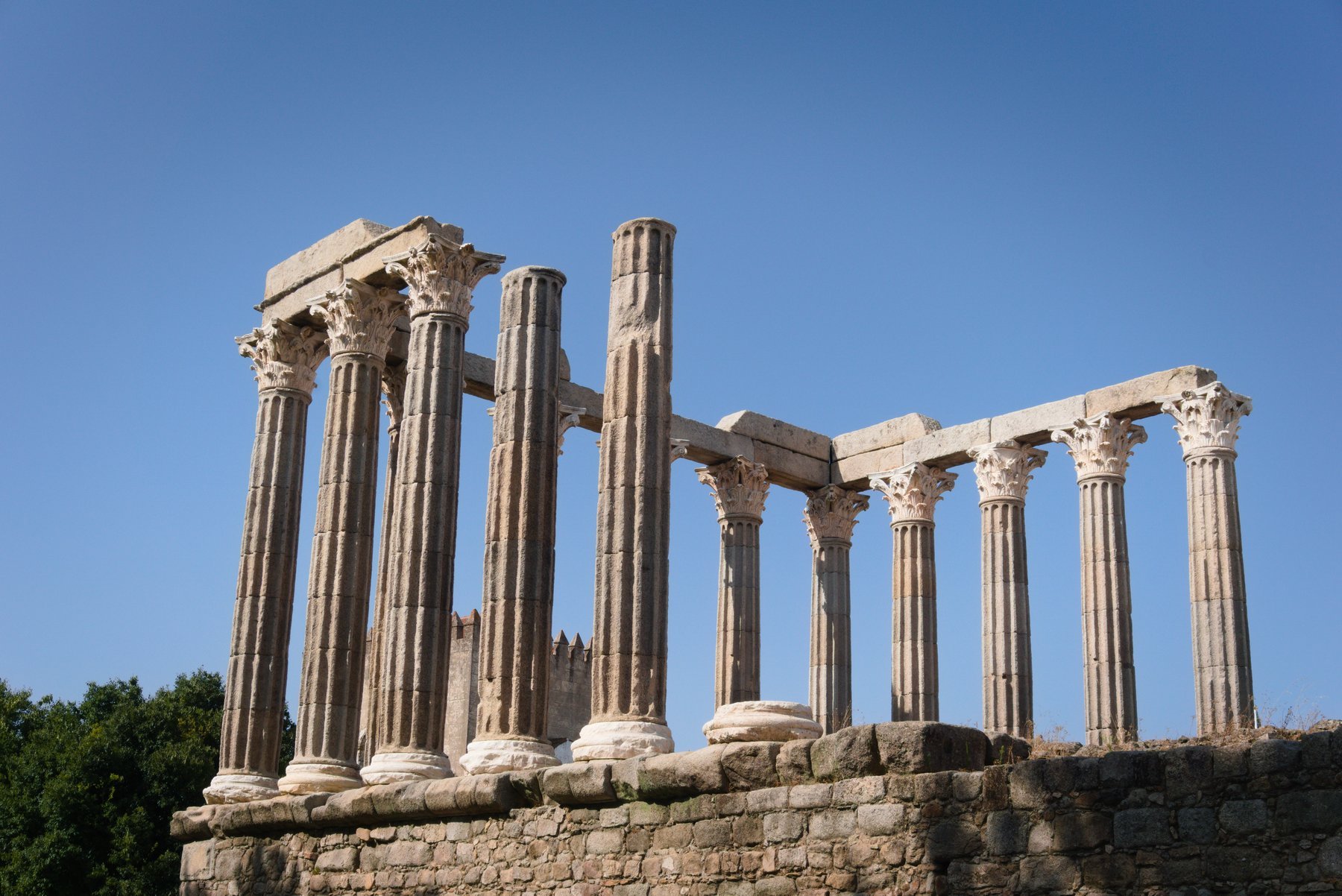
Next to the Cathedral of Évora, you will find the so-called Temple of Diana, whose real name is Roman Temple of Évora, the best-preserved Roman temple on the Iberian Peninsula. This 1st-century building is obviously closed off to ensure greater protection and preservation, but be sure to sit down for a while and appreciate such an ancient structure. Opposite the Temple, you will find the Diana Garden.
Another iconic monument that you should not miss is the Church of St. Francis and inside of it, the Chappel of BonesAlthough admission to the church is free, there is a charge of €6 per adult (in 2023) to visit the chapel and some other parts of the church.
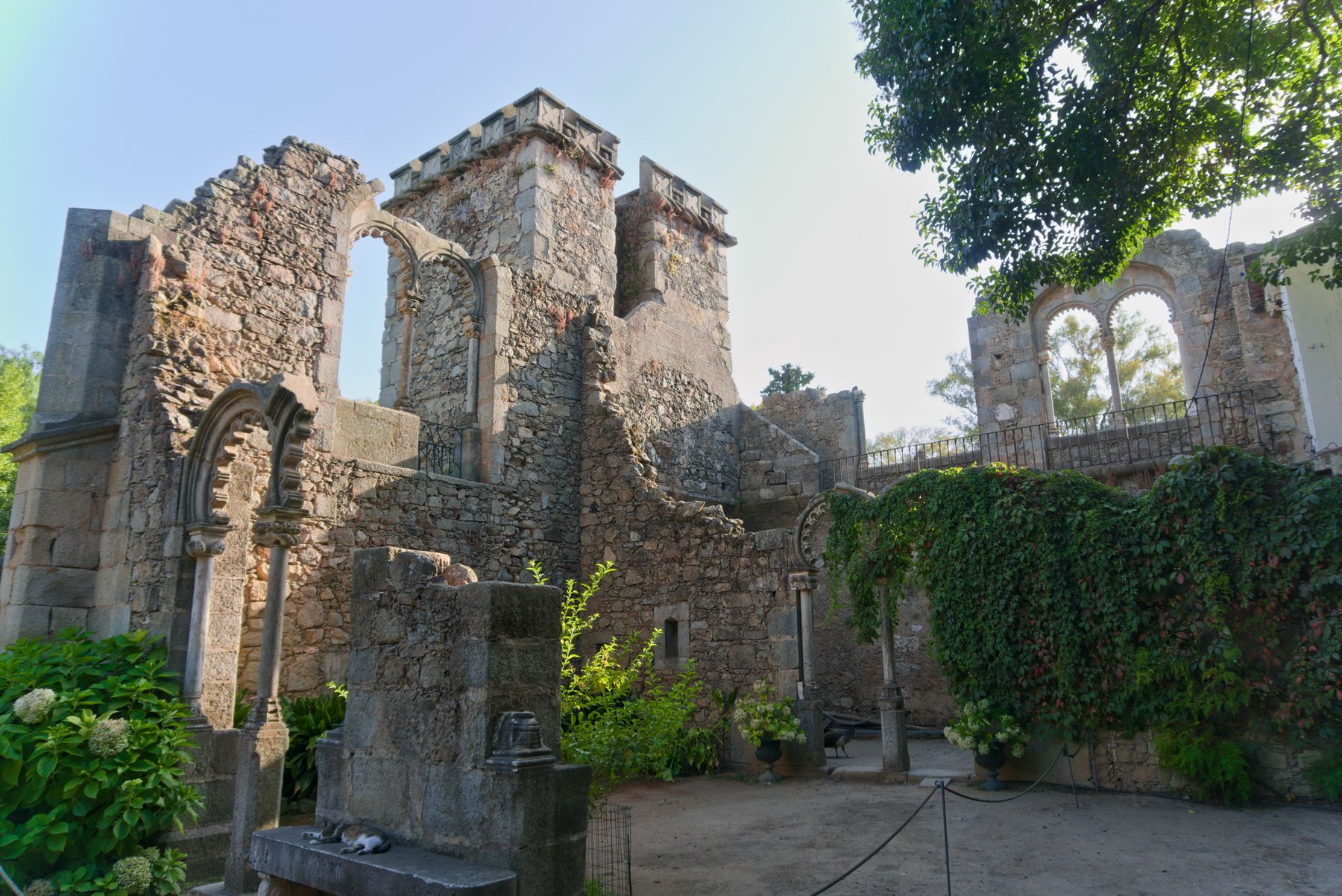
We also recommend taking the opportunity to visit the Évora Public Garden and the Fake Ruins, which are located there. Enjoy the good weather and take a stroll through the park, ending the day with a drink or ice cream at the park café.
If you would like to explore the city of Évora in greater detail, check: Évora: A Historic City in Alentejo!
Alqueva
Dam and Europe's Largest Artificial Lake
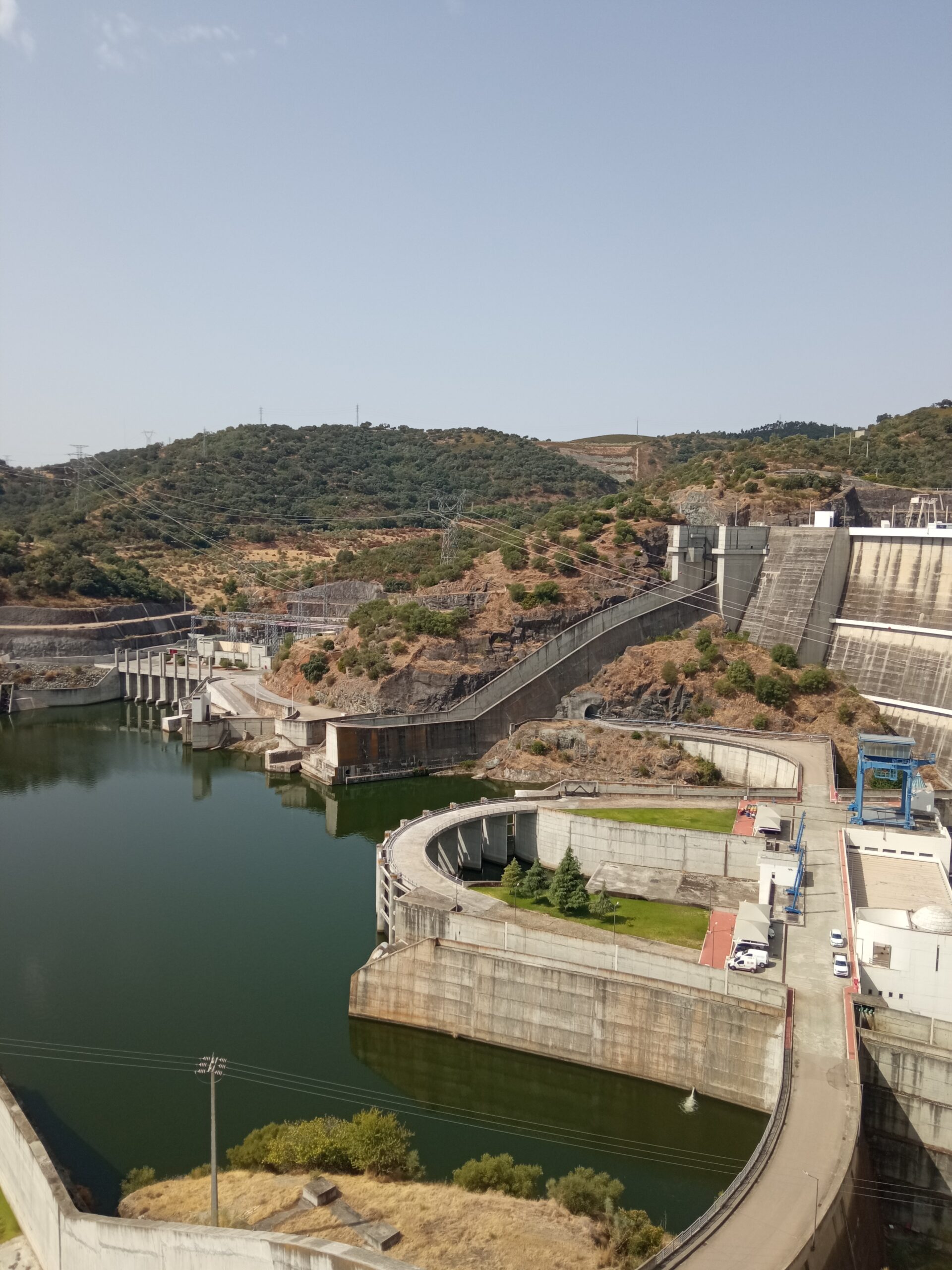
The main thing that attracted us to this region was to see the incredible feat of engineering that is the Alqueva Dam, the largest artificial lake in Europe.
This project, which took almost 30 years to complete, had as its main objective the irrigation of the Alentejo region and the production of electricity. At its maximum capacity, it covers an area of 250 km² (about 14% of which is in Spain).
However, after its construction, the Alqueva dam gained a new purpose: tourism. Nowadays, you can do a little bit of everything on this lake, from swimming at a river beach to fishing, kayaking, or even sleeping on a houseboat.
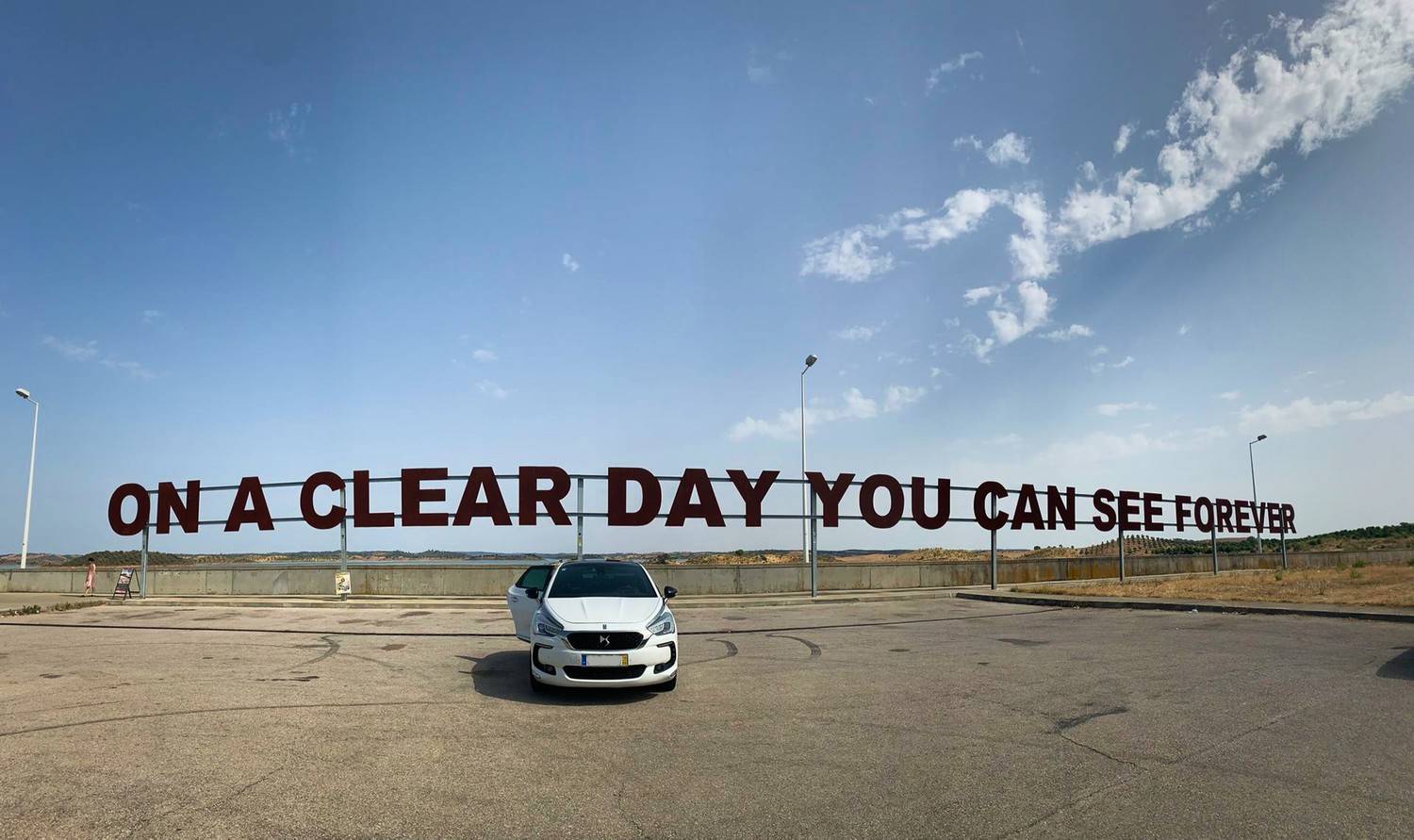
Stop by the dam and take a look at this impressive structure, which stands 96 meters high from its foundation. Walk a little further to a viewpoint with the famous phrase (in giant letters) “ON A CLEAR DAY YOU CAN SEE FOREVER.”
If you have the opportunity, stop by Alqueva Interpretation Center (CIAL), open every day and with free admission, where you will find a brief explanation about the construction of this work.
Returning to the car, choose to follow the opposite shore of the lake from the one that brought you here.
Moura
Near the Alqueva Dam, you will find the municipality of Moura, an Alentejo town steeped in history.
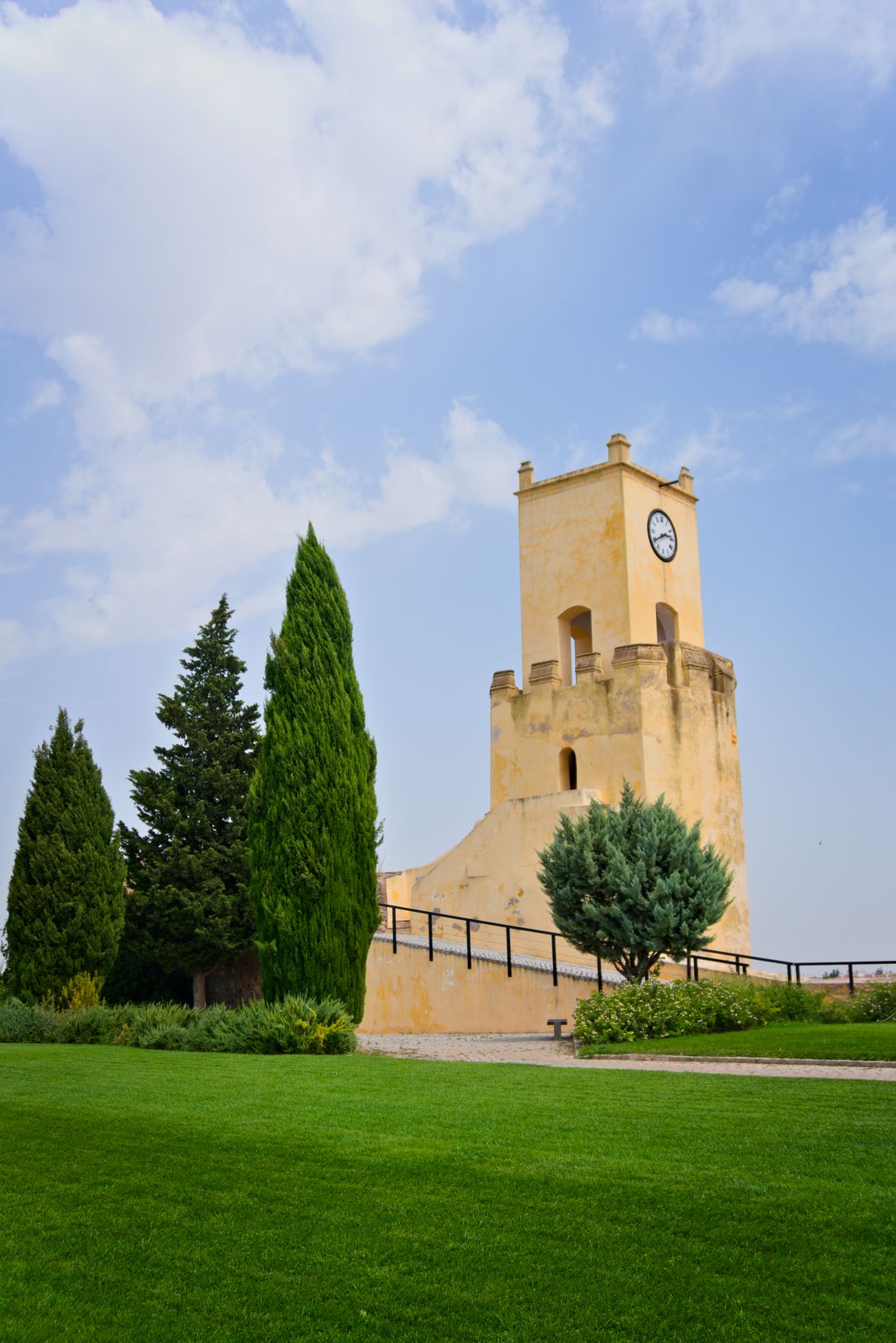
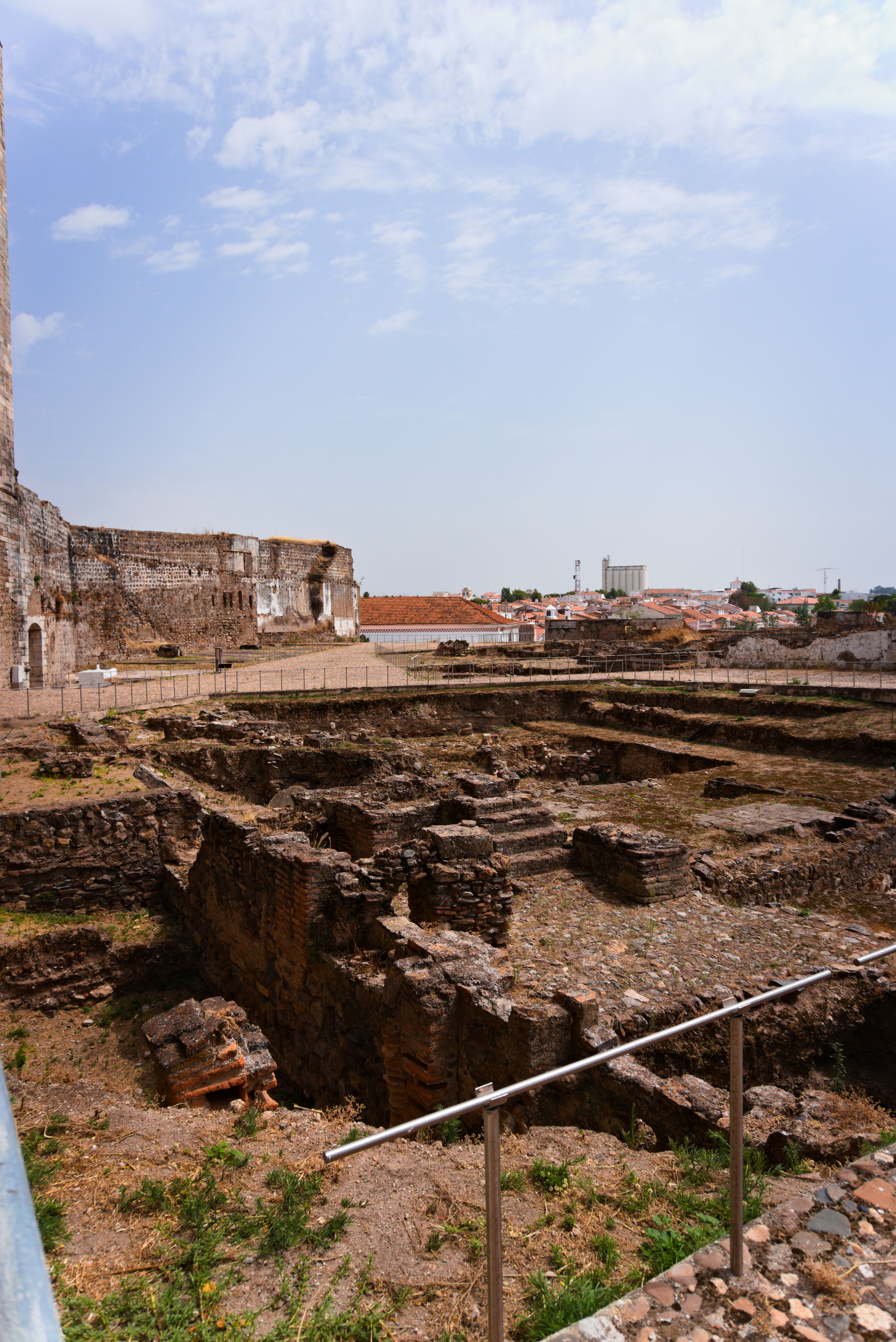
Park your car and walk around the historic area: explore what remains of the Moura Castle, which has free admission, go up to the Clock Tower and observe the ruins of the Dominican Nuns' Convent and the adjoining church, the Monastery and Church of São Domingos de Moura.
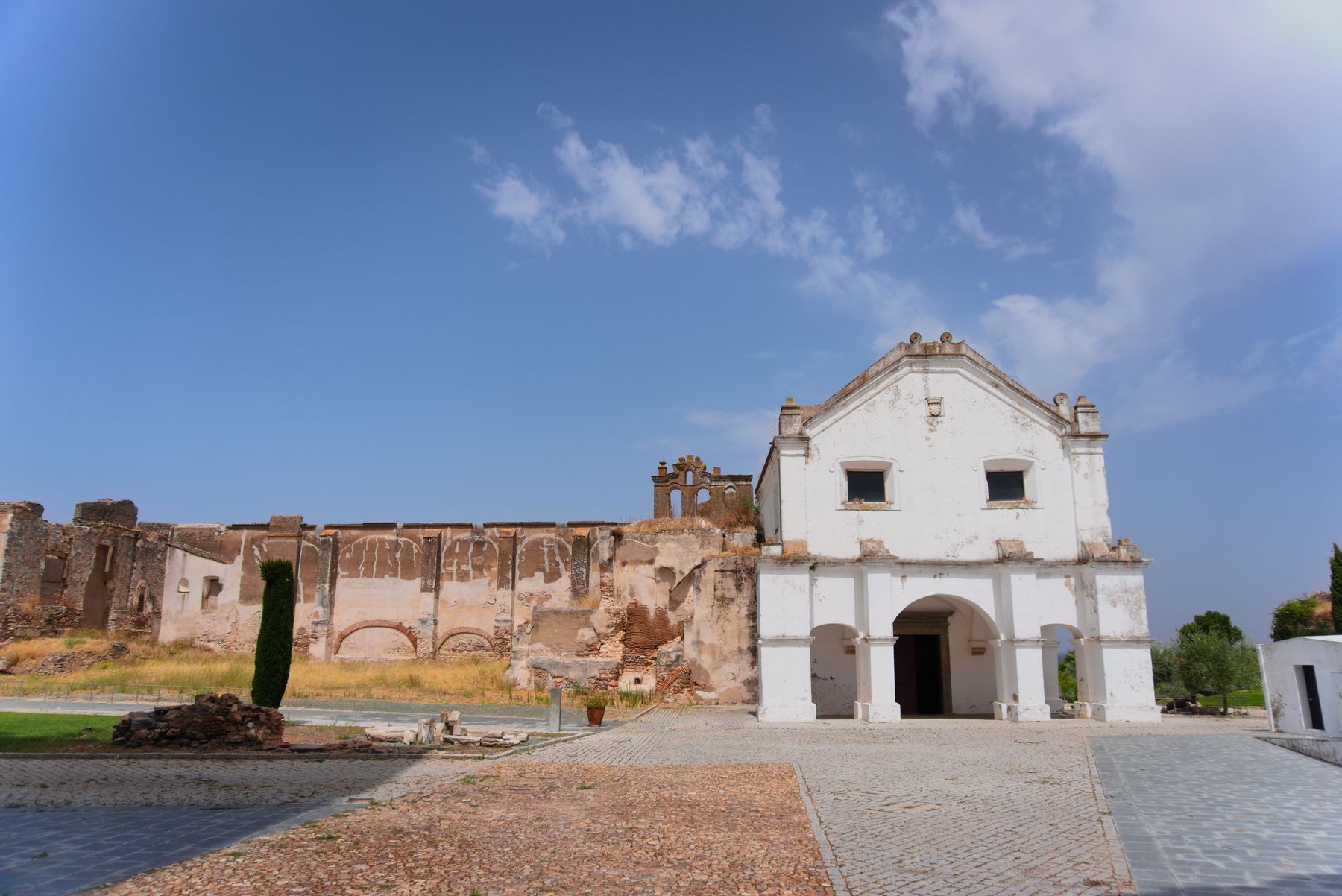
Step away from the Castle area and see the Carmo Convent in Moura (which is closed for renovation), the City Library Facade and the large Dr. Santiago Garden with its thermal installation.
Walking through the streets, you will come to a small area known as the masonry, the oldest in the Iberian Peninsula. Away from the historic area of Moura, you can visit the Skinny Watchtower, a watchtower that still stands today. If you want to see Alqueva up close, take the opportunity to visit the village of Estrela, in the municipality of Moura, which is known for its recreational activities.
Luz Village (Village of Light)
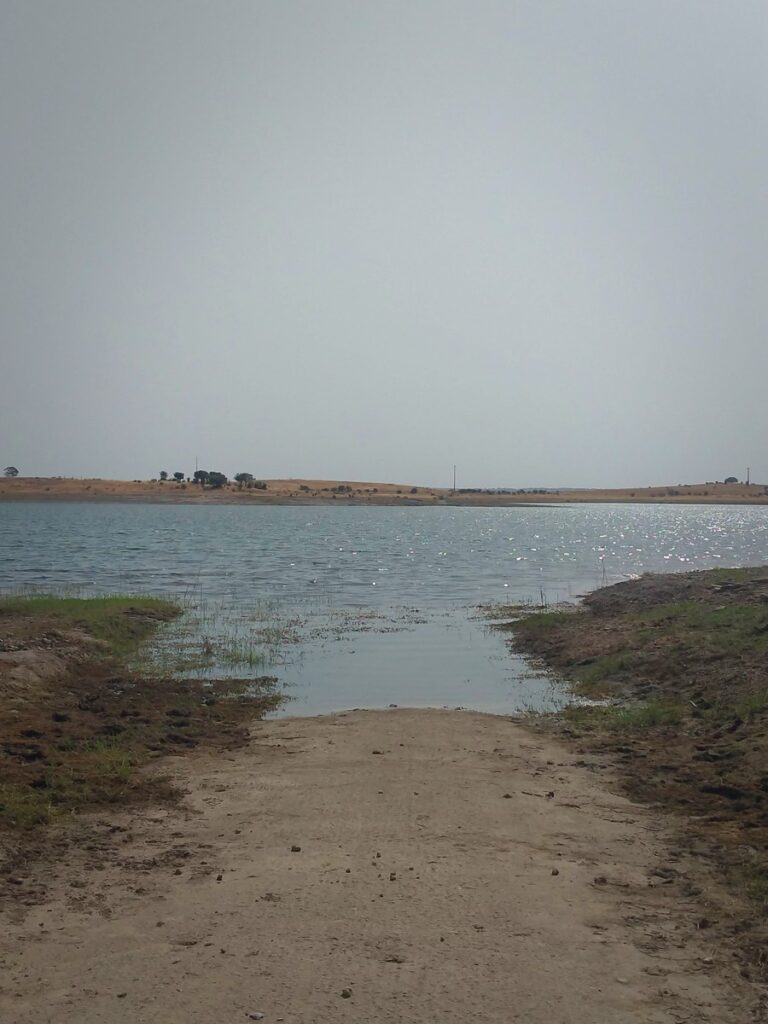
The village that was most talked about during the construction of the dam: Luz Village. In 2002, Luz Village was located in the territory that would become part of the dam's reservoir, which led to the controversial solution of building a new village for the population and submerging the old one.
We really recomend you to visit the New Luz Village and, following the main road for about 3 km, walk to the road leading to the old village – understand the impact this construction had on the local population.
If you have time, take the opportunity to visit the Luz Museum, a museum dedicated to the old village, now submerged at the bottom of the dam. The museum costs €2 (2024), and you can confirm the updated schedule and price on their website.
Monsaraz and Reguengos de Monsaraz
Monsaraz, along with Marvão, is one of our favorite villages in this region of Alentejo. From the moment you enter the walls, history is around every corner.
The uneven stone streets, the whitewashed houses, the small shops and crafts, and, of course, the Castle at the end of the main road.
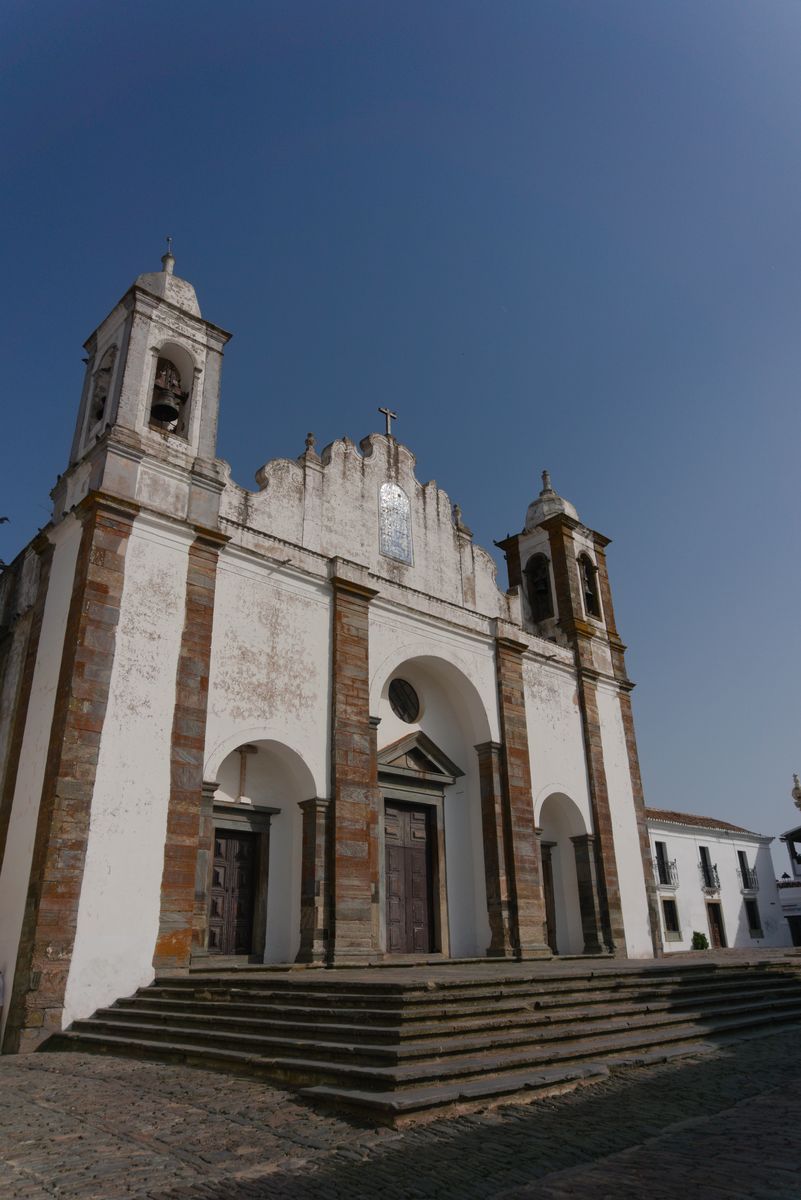
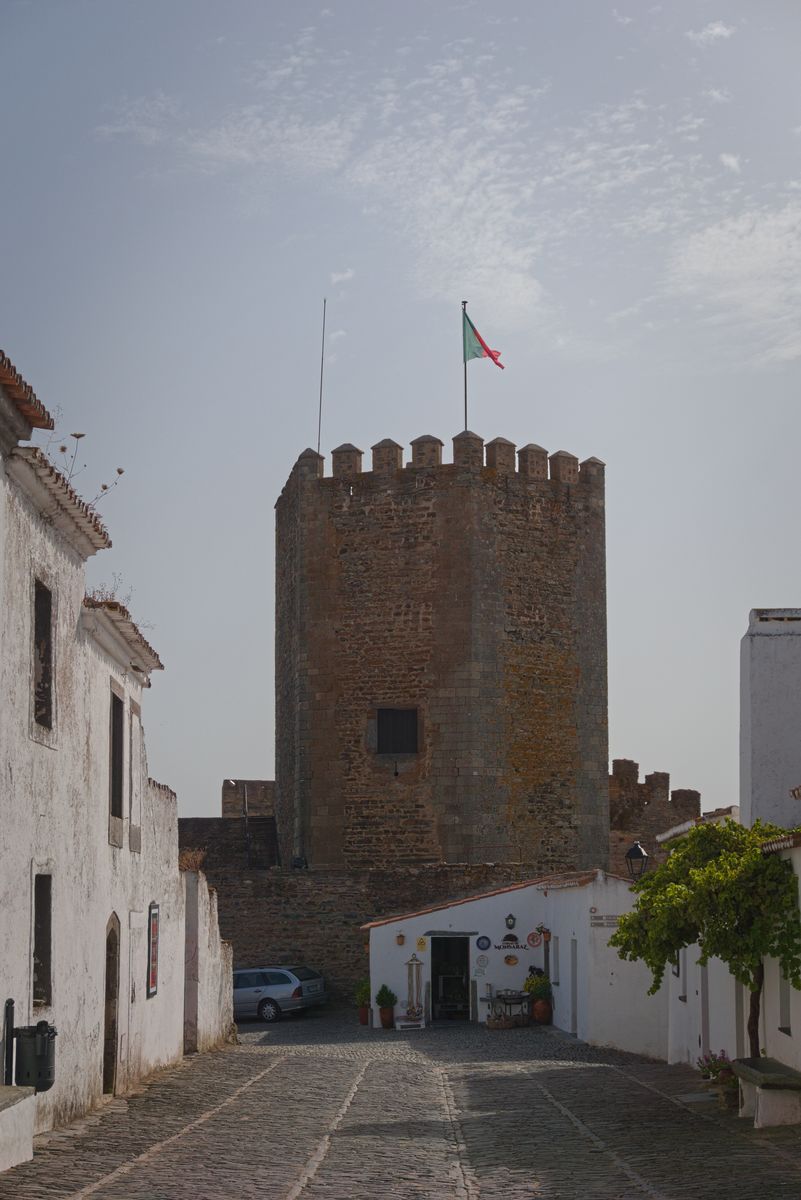
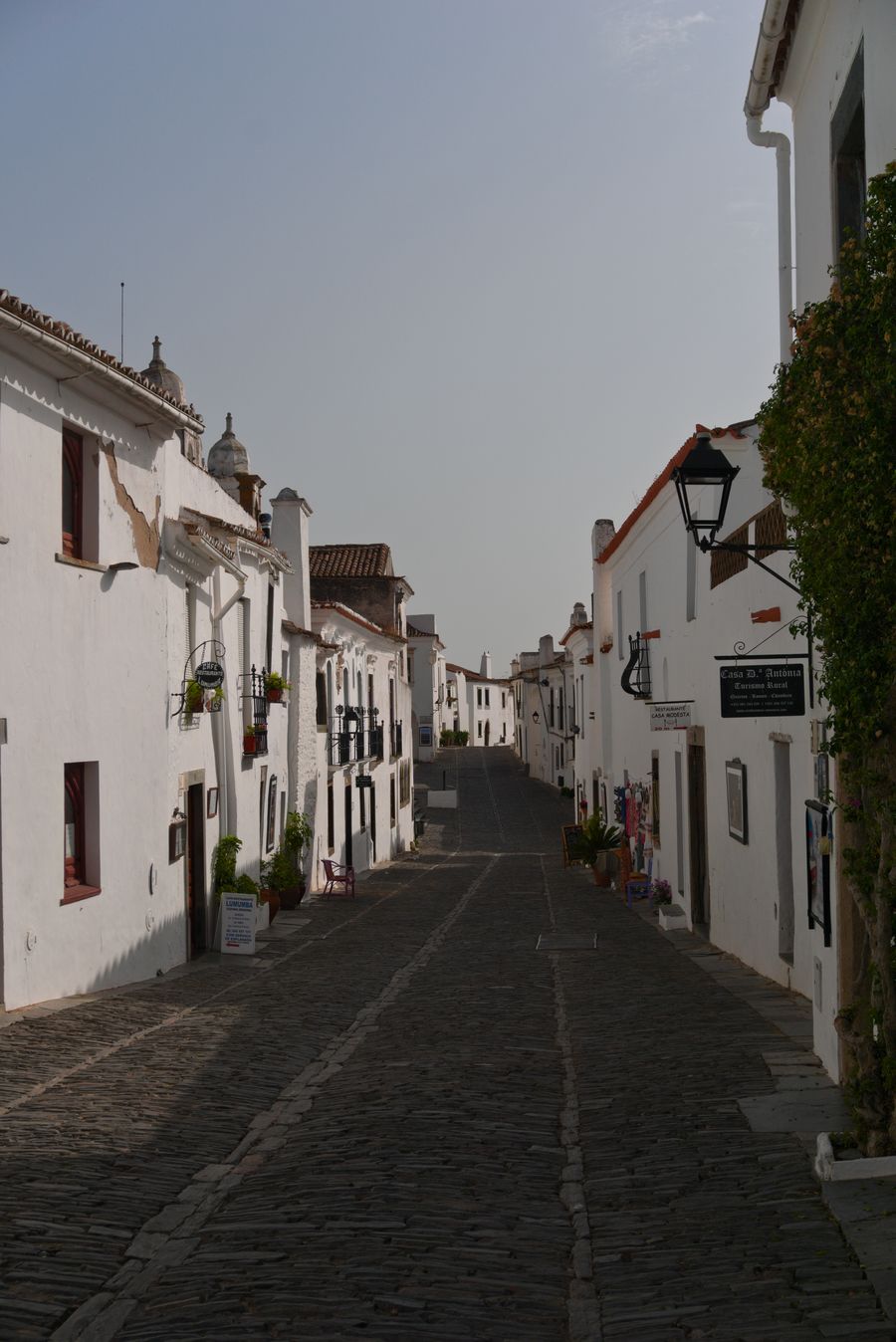
Monsaraz is also one of the villages awarded in the 7 Wonders of Portugal - Villages, in the Monument Villages category.
Stroll through the streets, see its historical elements, visit its Mother Church and, from the top of your castle, observe the beauty of Alqueva.
If you have a moment, take the opportunity to check out the Monument in Honor of 'Cante Alentejano' (Typical singing technique of the region), on the way up to the village of Monsaraz.
After exploring the village, get in the car and drive 15 km to the town hall: Reguengos de MonsarazThis county seat is a fairly large city, making it a good place to have lunch or dinner, as there is a wider range of options available.
In Reguengos de Monsaraz, take a look at its imposing and unusual parish church, the Mother Church of Saint Anthony. Sit down at a café or restaurant in the Liberty Square, facing the Church, and enjoy a well-deserved break.
Observing the Sky of Alqueva
Those who visit this region of Alentejo also visit a protected sky area, where artificial light is reduced and, consequently, the sky has a different magic. That said, if you have the opportunity, be sure to do an activity that allows you to get to know the sky of Alentejo.
In our case, this activity was nighttime observation at the Dark Sky Alqueva, but there are other types of activities, such as solar observation.
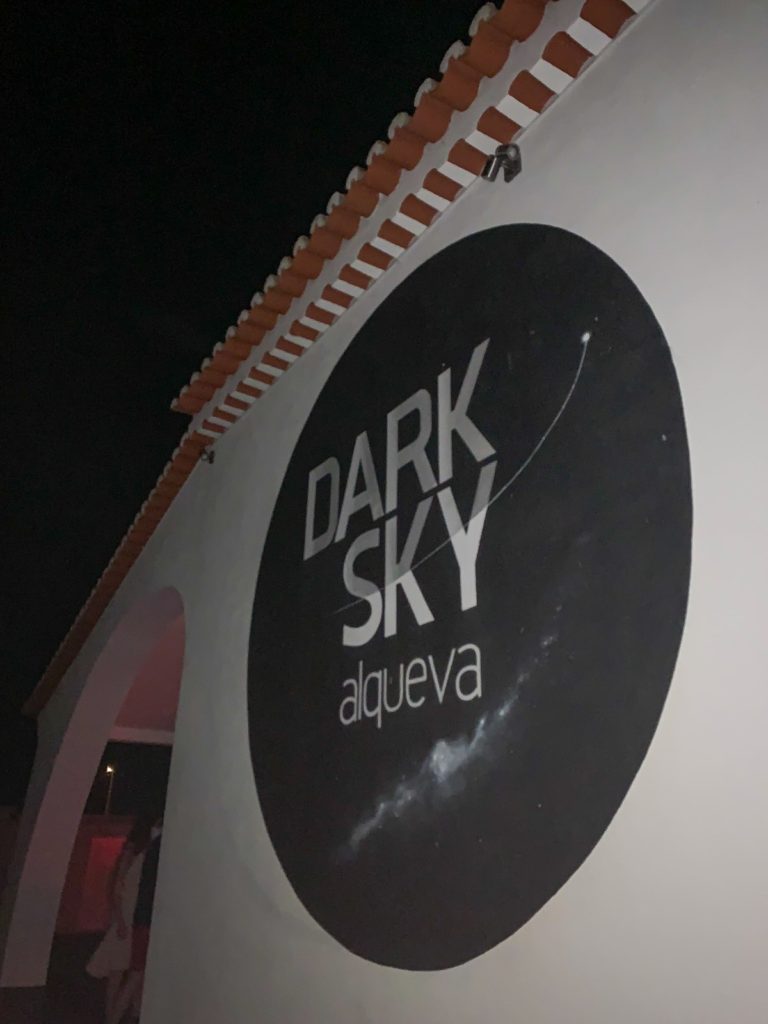
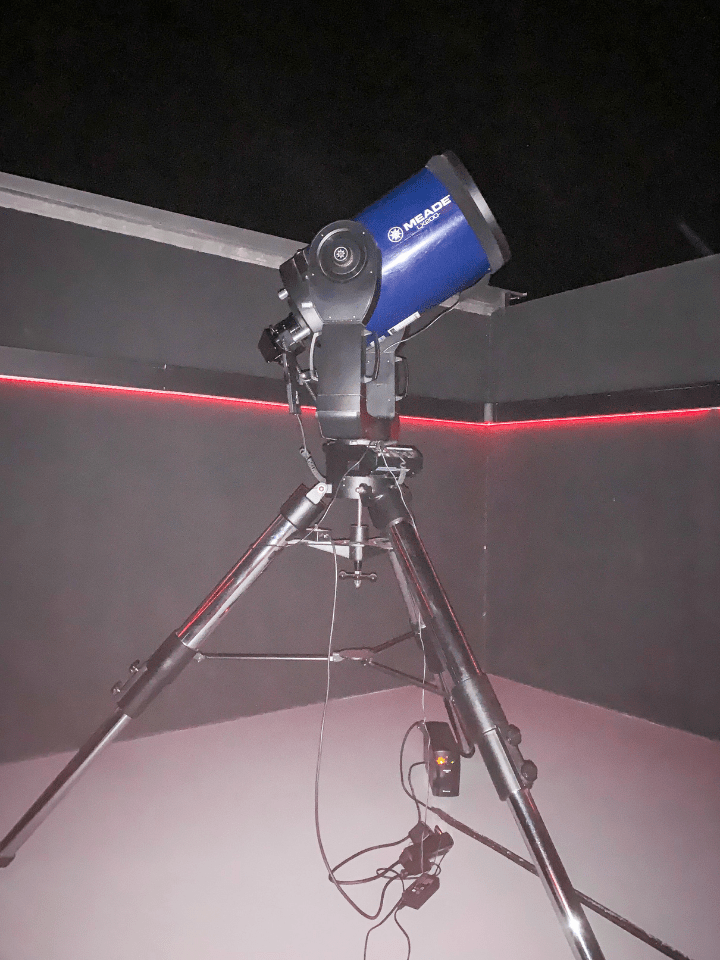
Be sure to book early, as places are limited and sell out quickly. The price is €30 (summer 2024), and it is cheaper in the low season. We always recommend check the price and make a reservation request on the website.
The session lasts about 1 hour and is conducted through direct observation. If conditions are not favorable, visualization is done through simulation.
There is another company that does the same type of activity: the Alqueva Lake Astronomical Observatory, but we didn't have the opportunity to try it.
Évora Monte
Évora Monte, or Evoramonte, is a fairly large parish, notable for its oldest area, which is enclosed by a wall.
Within this wall, a Castle stands out, unlike those found in the rest of Alentejo, it has a quadrangular shape, complemented by four corners with large turrets.
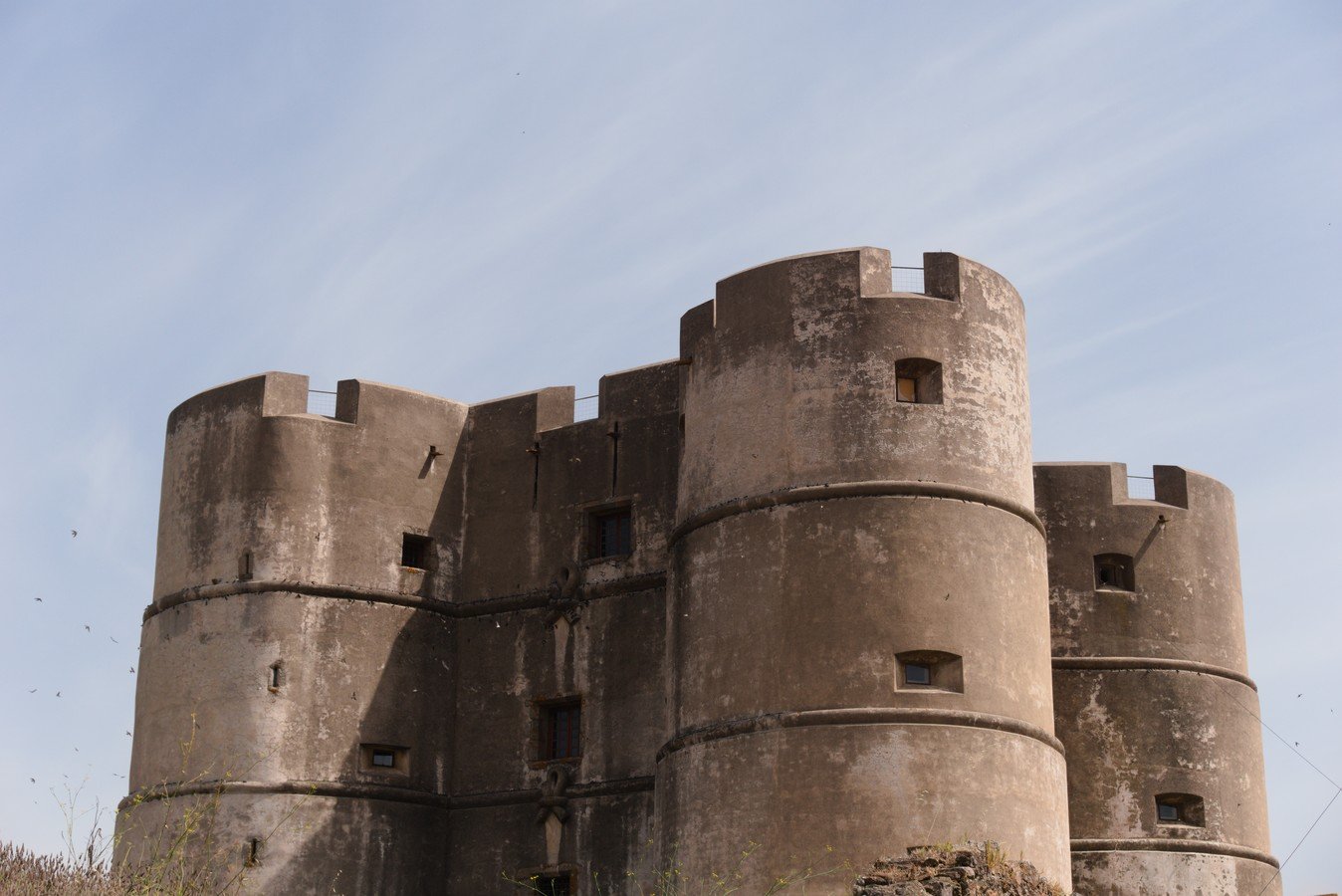
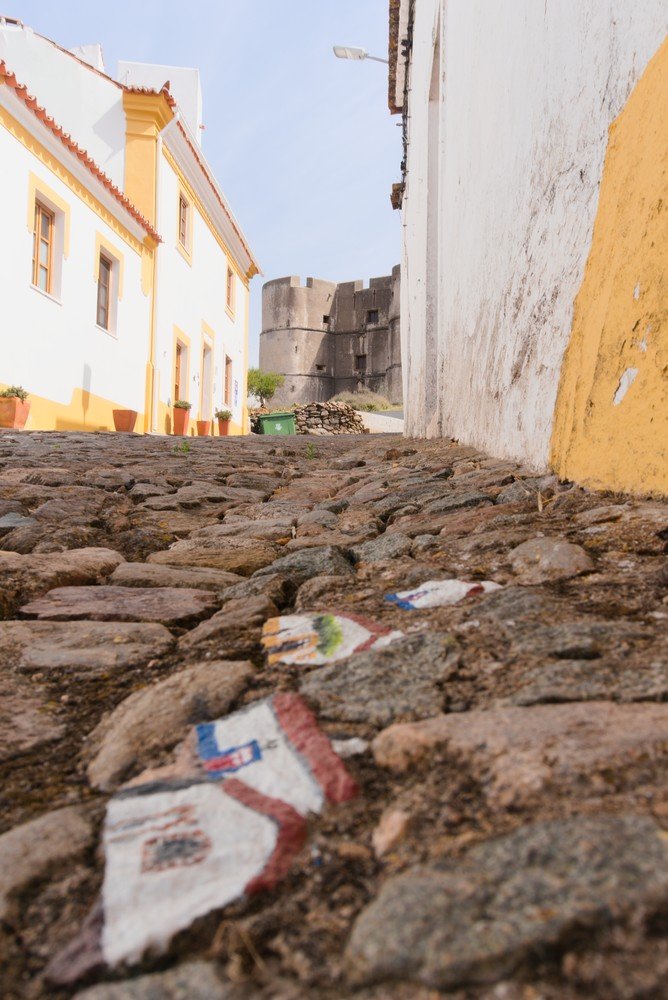
Take a stroll through Évora Monte, discover its rich religious heritage, visit the local crafts and look for the houses drawn on the floor next to the Common Barn. Be sure to visit the Évora Monte Castle, also known as the Ducal Palace, for the reasonable price of €2 (2024).
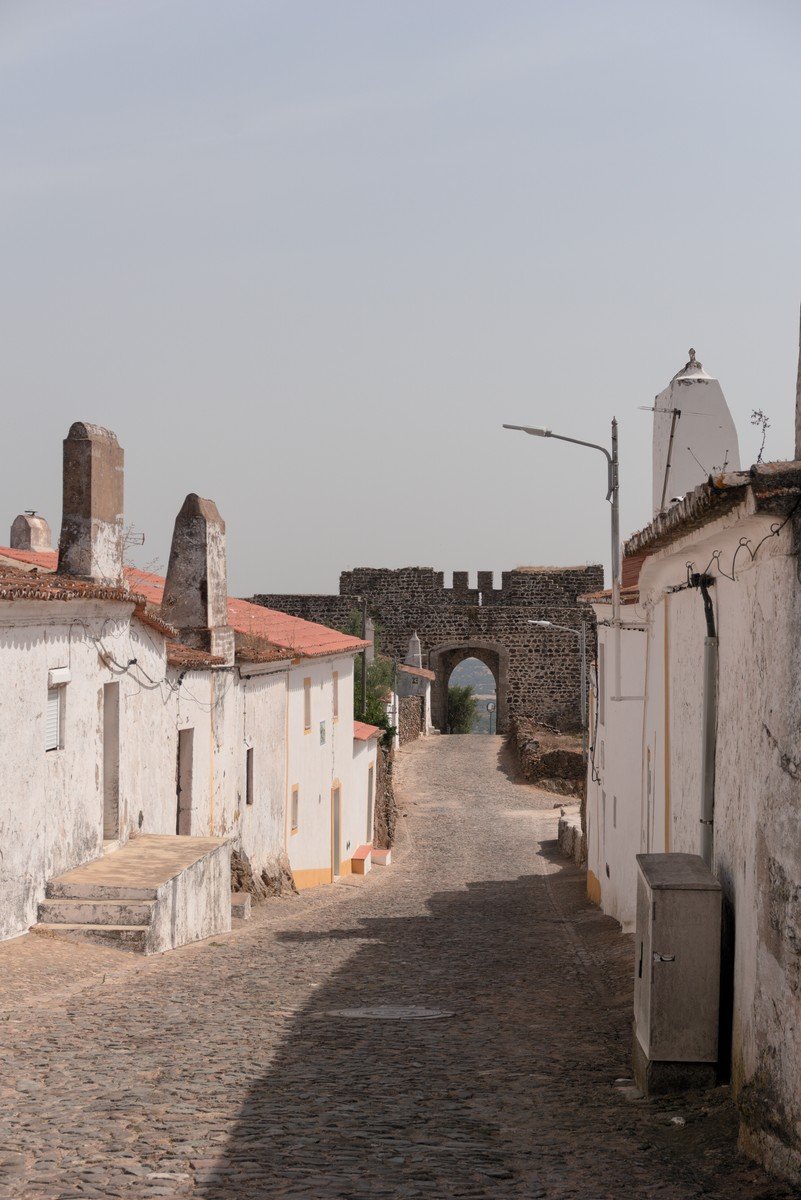
Walk along the wall and try to find the four wall gates and the exit next to the cistern. For those who enjoy exploring religious heritage, Évora Monte has several buildings of this type, notably the Church of Our Lady of the Conception (Mother Church), the Mercy Church and the Hermitages of St. Margaret and the St. Sebastien, both located outside the city walls.
Elvas
Elvas, the largest fortified town in Europe, was one of the destinations that suffered from the intense heat that day. That said, we ended up just wandering through its streets until Elvas Castle to enjoy the view of Spain.
Unfortunately, we felt that the castle was in urgent need of cleaning and restoration. However, since visiting Elvas, we’ve seen recent photos and it seems to us that the site is now a more pleasant place to visit, so we may have just been unlucky during our visit.
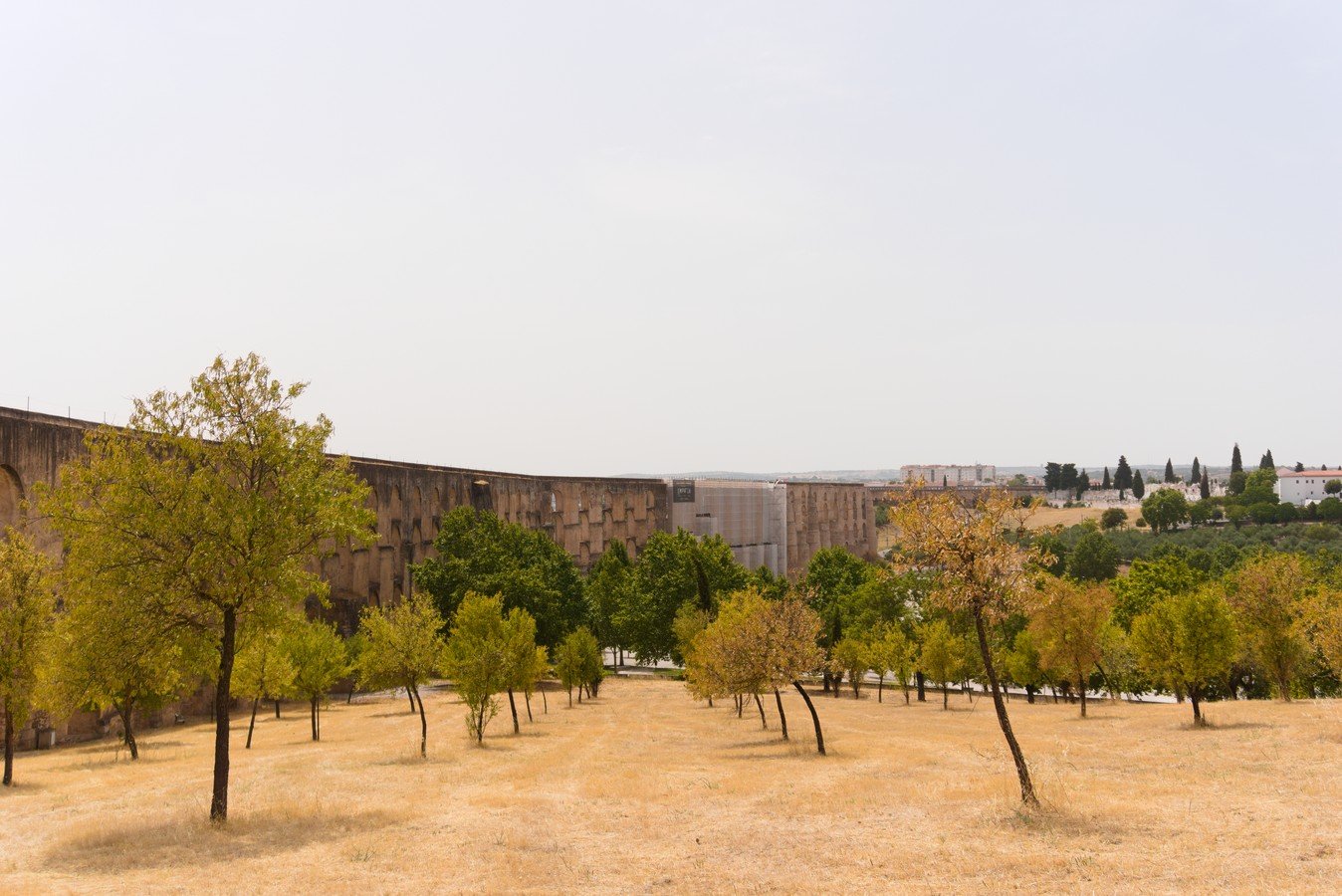
Elvas also has an incredible and imposing aqueduct, which is about 8 km long, including an underground section.
It was extremely hot and the day was exhausting, so we decided to leave without seeing Elvas’s main attraction, which means we’ll have to come back to explore it: the Santa Luzia Fort and the Graça Fort.
Since we haven’t had a chance to explore them, we can’t offer our opinion, but please visit the Elvas City Council website to learn more about the Santa Luzia Fort and the Graça Fort, as well as prices and schedules.
Marvão
Although it’s a bit further away than the other destinations in the region, Marvão is a place we highly recommend visiting.
When you arrive, leave your car outside the wall and follow the Rodão Gates, the village’s entrance gates, and explore the streets of the beautiful village of Marvão, with its white houses so typical of the Alentejo.
As you walk toward the castle, take a moment to enjoy the Santa Maria Church (now the Municipal Museum) and, further ahead, the Castle Garden. Right in front of you, the magnificent Marvão Castle.
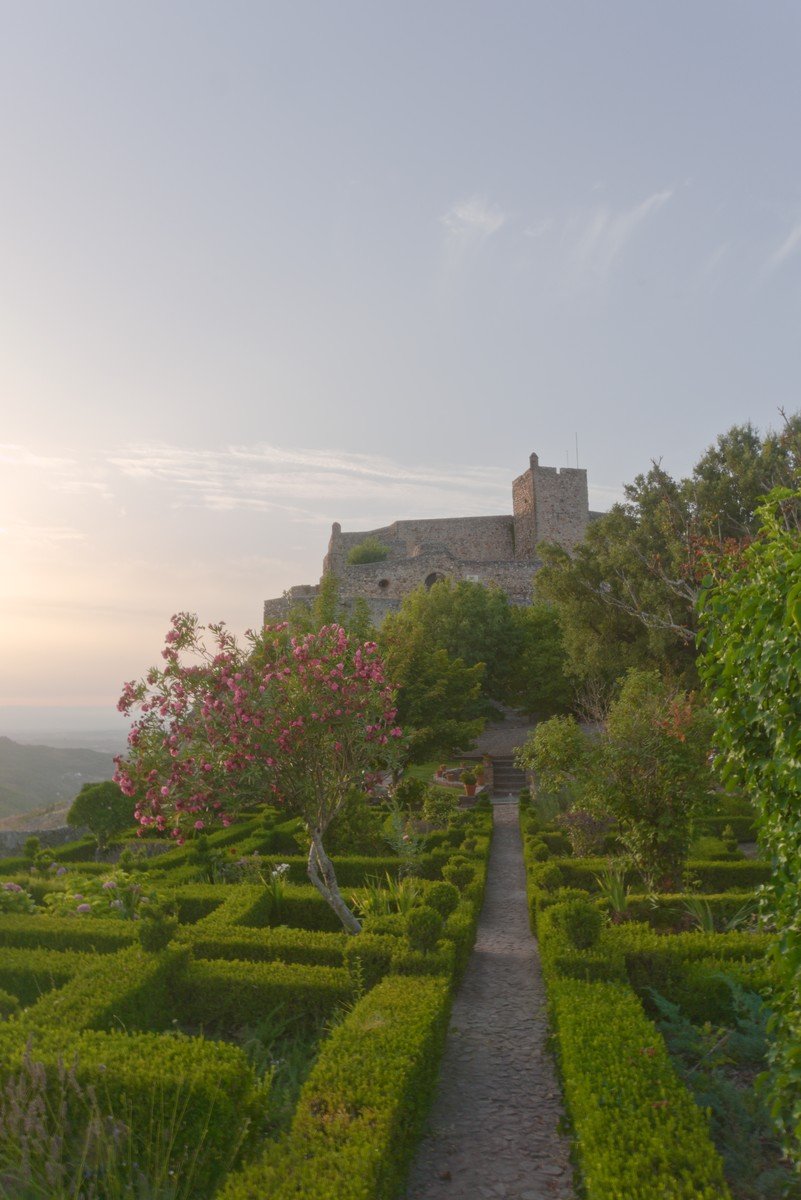
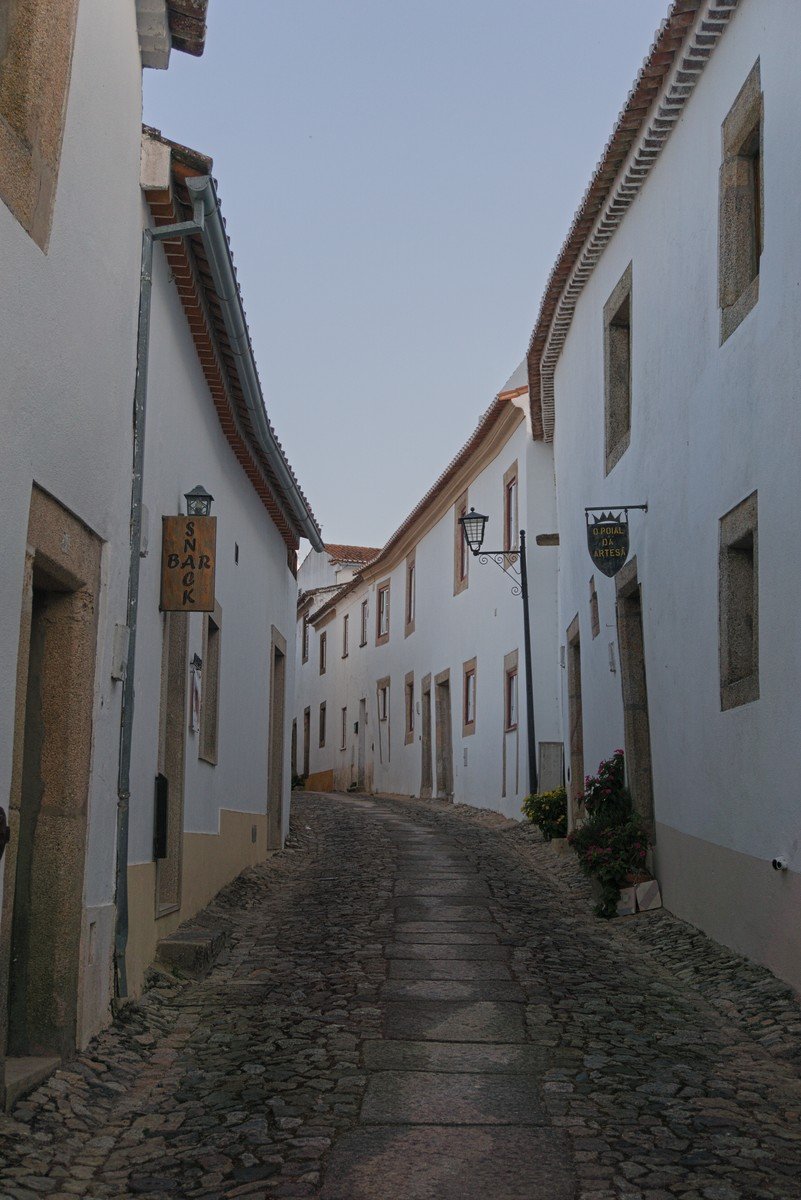
Perched 800 meters above sea level, this castle quickly became our favorite in the Alentejo. For just around €2 (2024), you can explore one of the country’s largest castles, featuring two rows of imposing walls, the cistern (where you can actually go down the stairs and see one of the largest in the country), the great Parade Ground and the keep with two levels. Be sure to try to identify the door of betrayal and to walk around the wall.
If you have the chance, save this visit for late afternoon so you can enjoy the magical scenery of Marvão at sunset. Trust me, it’s worth it!
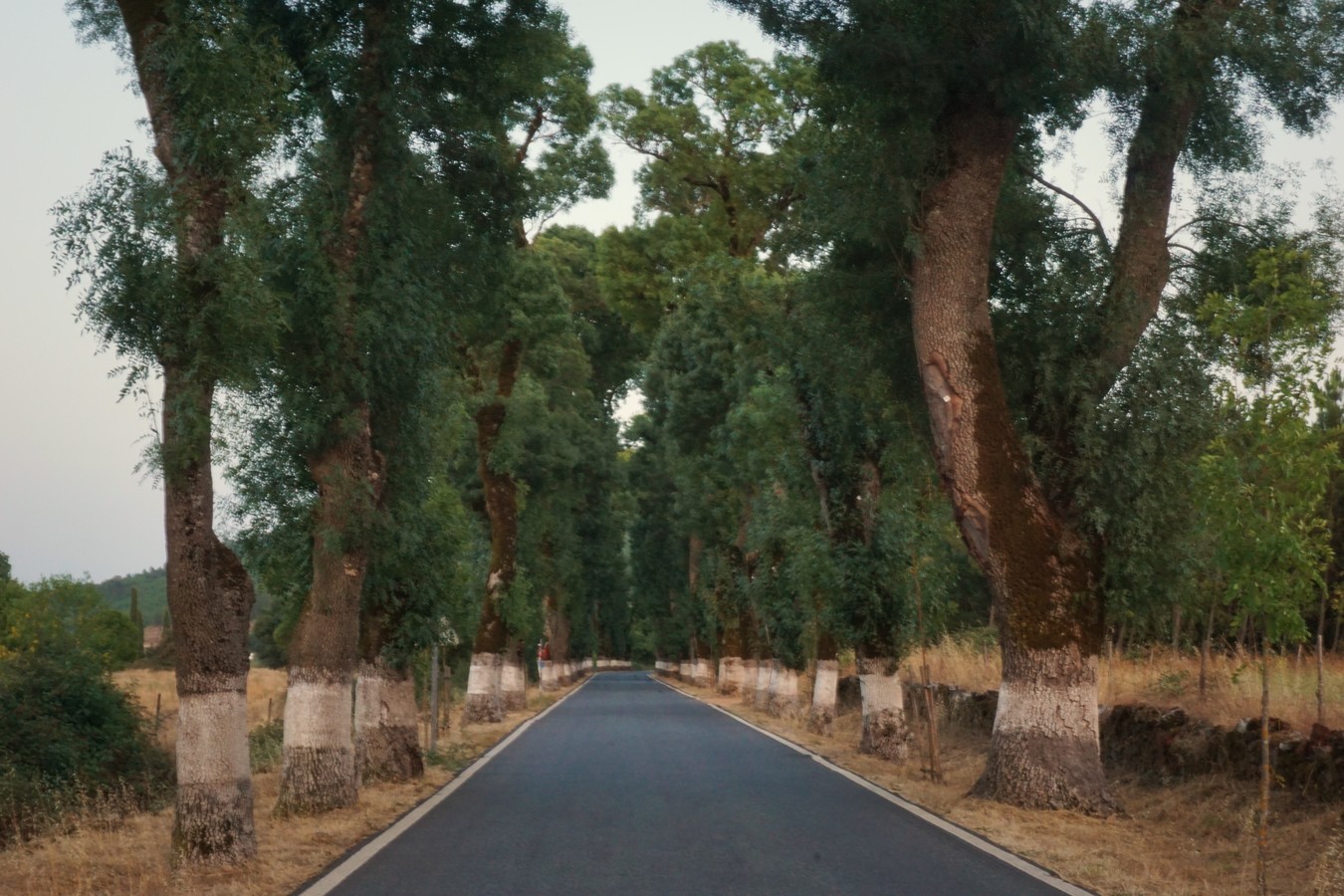
Near Marvão, you’ll find what is known as the most beautiful road in the Alentejo: the Alameda dos Freixos, on the N246-1.
Near Marvão, you’ll find what is known as the most beautiful road in the Alentejo: the Alameda dos Freixos, on the N246-1.
This stretch of road, which is about a kilometer long, gets its name from the trees lining both sides of the road. In total, there are more than 200 century-old ash trees that create the illusion of walking through a tunnel.
Alameda dos Freixos has been designated a site of public interest since 1997.
Other Destinations and River Beaches in the Alqueva Area
Unfortunately, our vacation was coming to an end and it was time to head back north, so we weren’t able to explore any more villages, towns, or cities in this wonderful part of the country. However, we’ve included a list below for anyone who has a few extra days and wants to enjoy the region:
- Amieira, a riverside area for those who want to sunbathe and swim in the reservoir. Here, you can also enjoy activities such as boat rentals;
- Campinho, part of Reguengos de Monsaraz, is an area located right on the shores of the Alqueva Reservoir. Due to its location, it is best known for its water sports and recreational activities;
- Castelo de Vide, a medieval town with an imposing city wall where you can visit an old synagogue;
- Estremoz, a town steeped in history, where several Portuguese kings are said to have lived;
- Mourão, on the left bank of the Guadiana River. As in other parts of the Alentejo, you’ll find an imposing castle and city walls here, as well as several churches and green spaces;
- Vila Viçosa, home to 'Terreiro do Paço' and its Ducal Palace, a 16th-century building with a 110-meter-long façade.
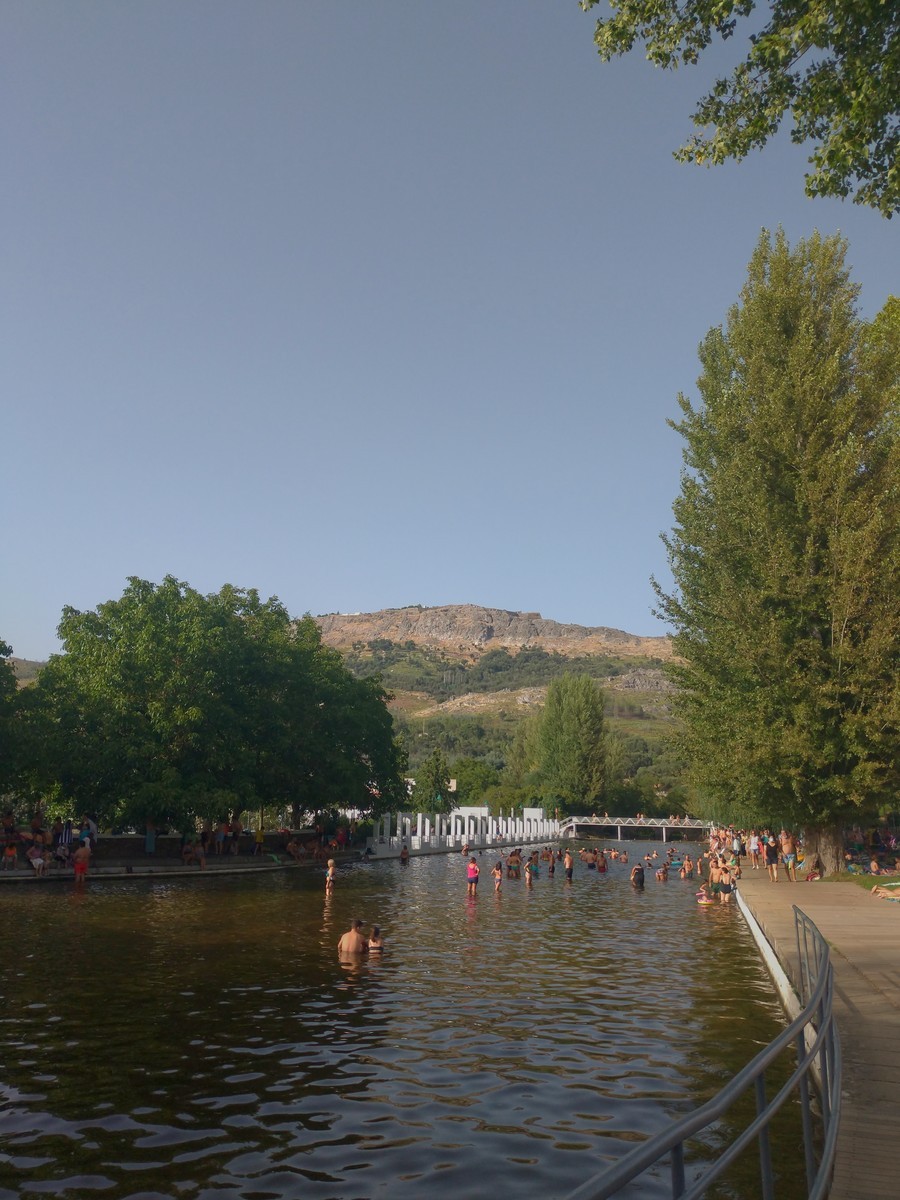
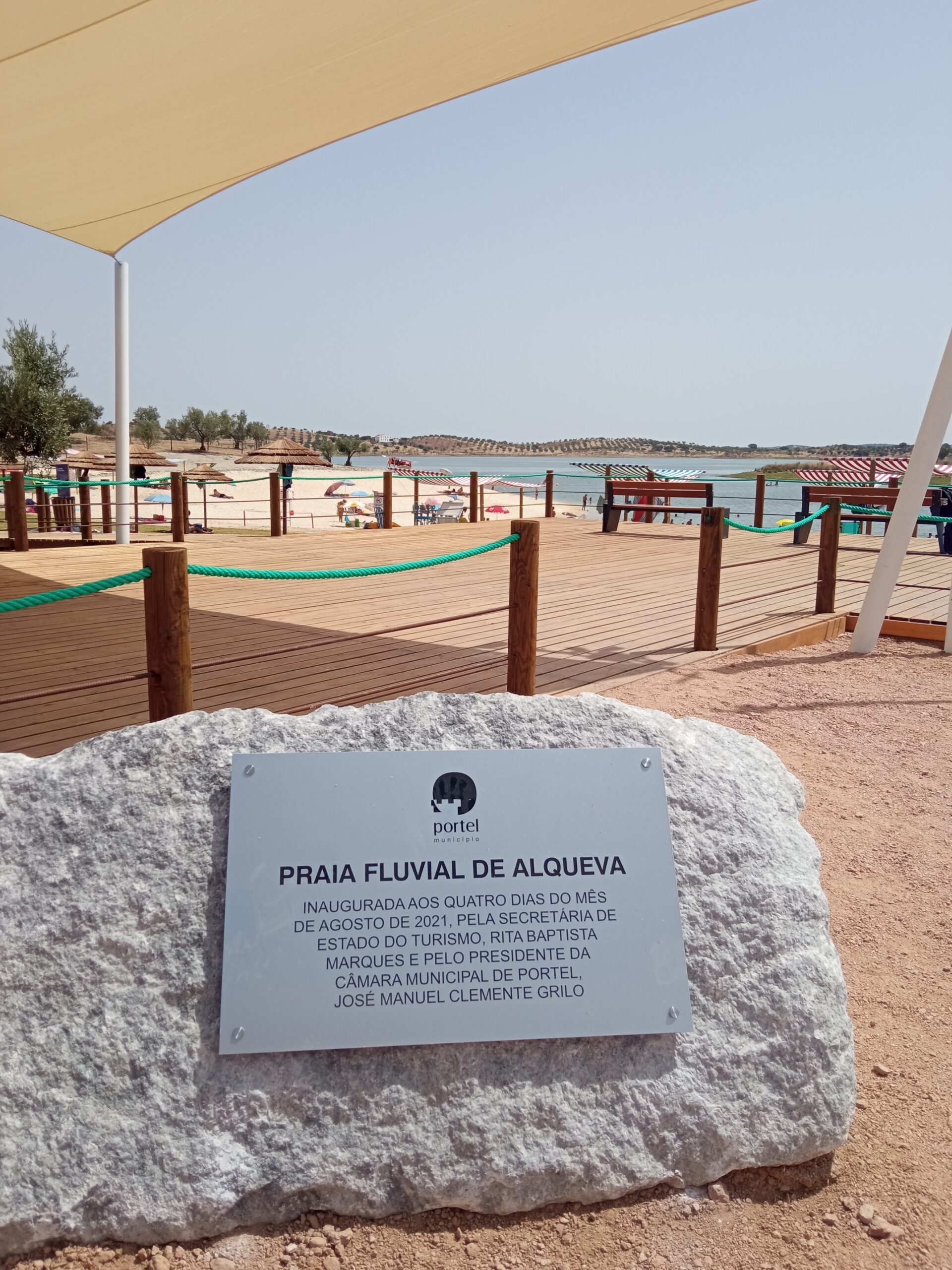
In addition to these destinations, and if (like us) you’re visiting the Alentejo during the hottest part of the year, be sure to set aside some time to explore one of the dozens of river beaches that have emerged along the banks of the Alqueva Dam.
There’s no shortage of river beaches in this region; even though the water is chilly, it feels wonderful in the Alentejo heat. We recommend planning a route and then exploring the beaches in the area—you’ll find there are plenty to choose from!
Travel, Food, and Lodging in the Alqueva Region
In this part of the country, it’s practically a must to choose a private mode of transportation (car or motorcycle). Without this mode of transportation, you can reach some major cities, but you won’t be able to explore the areas around Alqueva or visit all the destinations we mentioned earlier. As for parking, the only places where parking availability was sometimes lower than demand were at the river beaches (which is natural, given the heat we experienced) and in the historic district of Évora.
At first glance, Évora seems to have limited parking, but in reality you just need to go a little further out—in our case (since we were staying overnight in the city), we were always able to find parking on Avenida dos Bombeiros.
As for food you have nothing to worry about. This region is one of the best places in the country to eat! Everywhere we stopped, we were warmly welcomed, with plenty of dish options and great food. Since it’s a unique area, you’ll even find foods here that you might not easily find elsewhere in the country.
Even though it’s a region in the country’s interior, don’t be afraid to order the fish dishes! This is where we had the best monkfish rice of our lives (in 2021).
Regarding to accommodation, and since there were five of us, we decided to stay at the Casa Vitória Guest House, which we recommend for those visiting the region in a larger group. This accommodation also offered options for smaller families, but you’ll likely find more affordable lodging if there are only two or three of you. If you truly want to experience the tranquility of the Alentejo, we recommend choosing a place to stay further away from these larger cities, where you can truly savor the region’s peace and quiet.
Expectations for the area surrounding Alqueva were high, and it did not disappoint! Although it was a massive financial investment, with lasting consequences for some residents of the region (notably, of course, the village of Aldeia da Luz), the construction of the dam and reservoir has greatly transformed the region, making it truly magical. If you get the chance, be sure to explore it!
more to see