Setúbal and Troia are among the best destinations in Portugal for those who enjoy a little bit of everything: history, nature, and, of course, beaches.
At the same time, it is one of those destinations where we can spend several days and still leave some things unseen.
In our case, we have had both experiences: we have spent vacations in Setúbal and we have spent just one day there. In this itinerary, we present the places that we think you should visit when you come to this wonderful land!
Setúbal is known for its dolphins, its proximity to Troia, and its delicious fried cuttlefish. It is also the birthplace of the famous poet Bocage and the opera singer Luísa Todi. Setúbal and Troia are therefore places not to be missed.
Setúbal
Bocage Square & Church of São Julião in Setúbal
To begin your tour of Setúbal, we recommend starting in the central part: the Bocage Square.
As the name suggests, this large square features a statue in honor of the famous Portuguese poet Manuel Maria Barbosa du Bocage, a native of Setúbal.
This monument is 12 meters high and consists of a large column topped with a two-meter statue of the poet. It was inaugurated in 1871 on the anniversary of his death, an event attended by personalities such as Eça de Queirós.
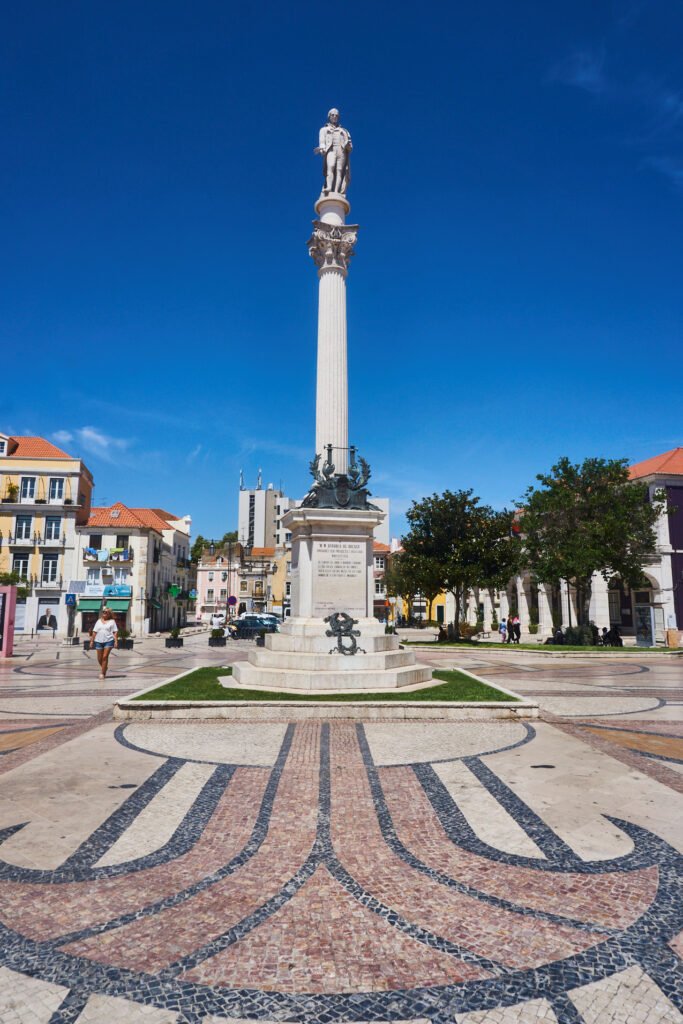
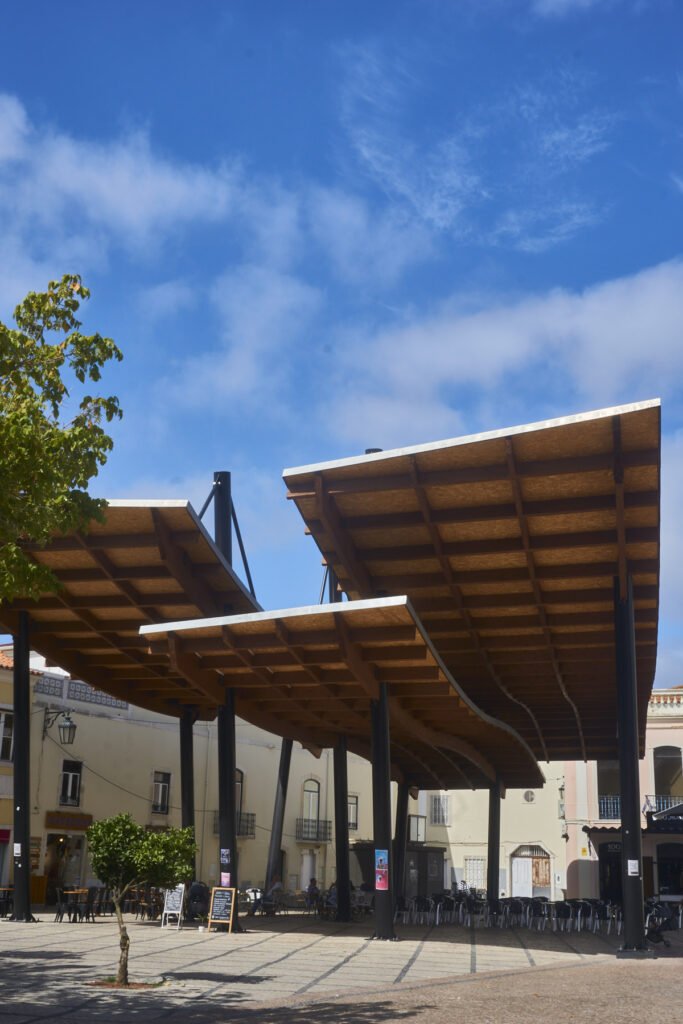
This square is home to some of Setúbal's most imposing buildings, such as the Town Hall / 'Corpo da Guarda' House, the Salema Palace (a property covering more than 3,000 m² and bearing the imposing coat of arms of the Miranda Henriques family), the now vacant Morgado da Bandeira Palace (also bearing a coat of arms), the Setúbal Tourist Office (slightly further away) and, of course, the Church of Saint Julian.
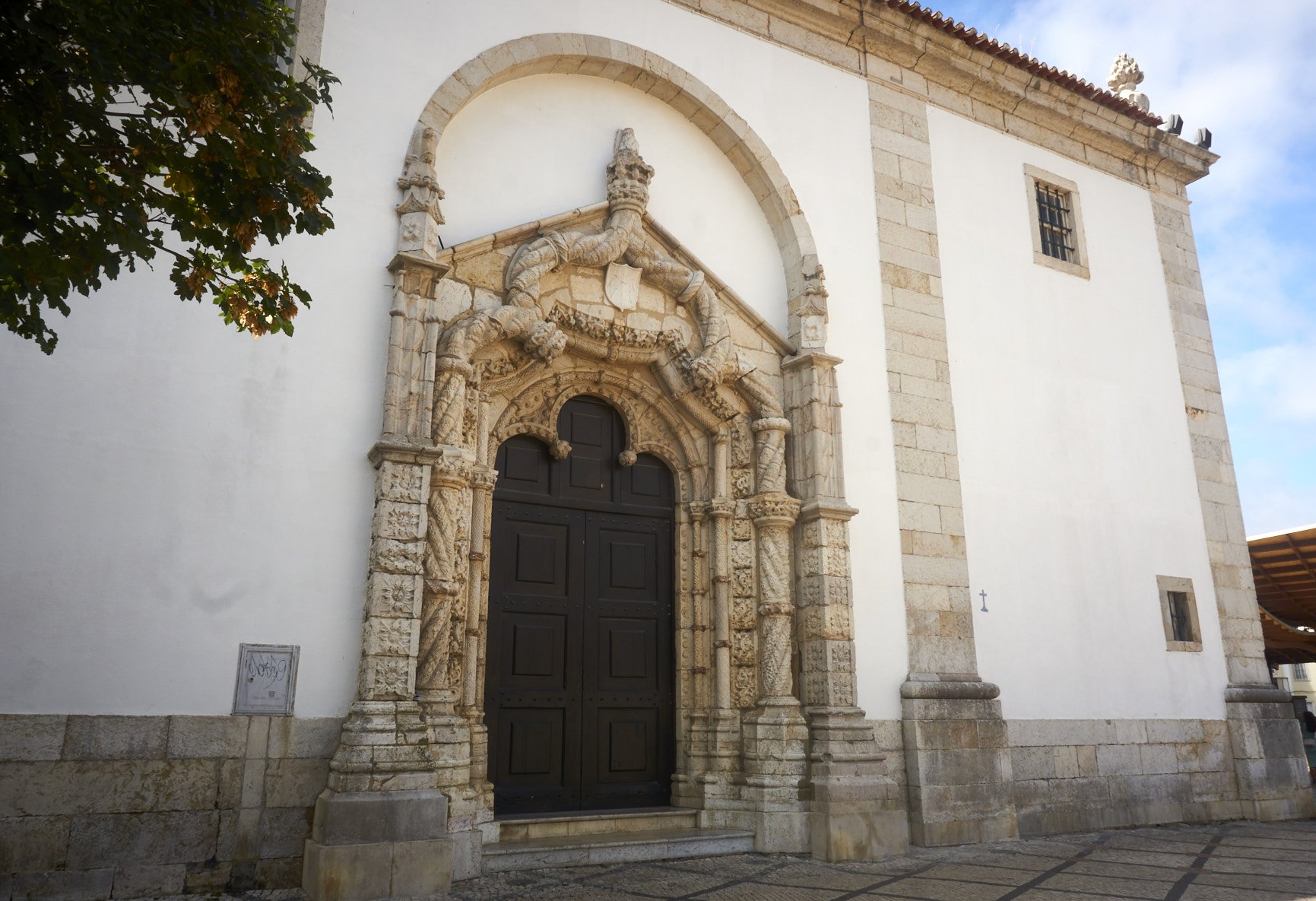
Built in the second half of the 13th century, it has a long history marked by two earthquakes—one in 1531 and another in 1755. The reconstructions it underwent changed its structure and appearance.
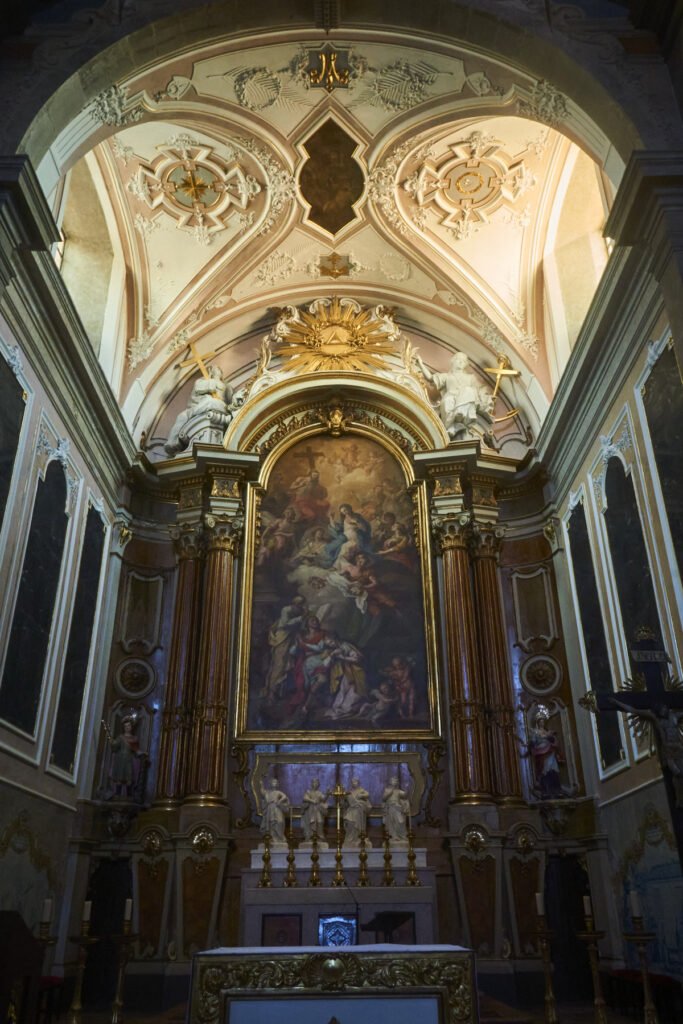
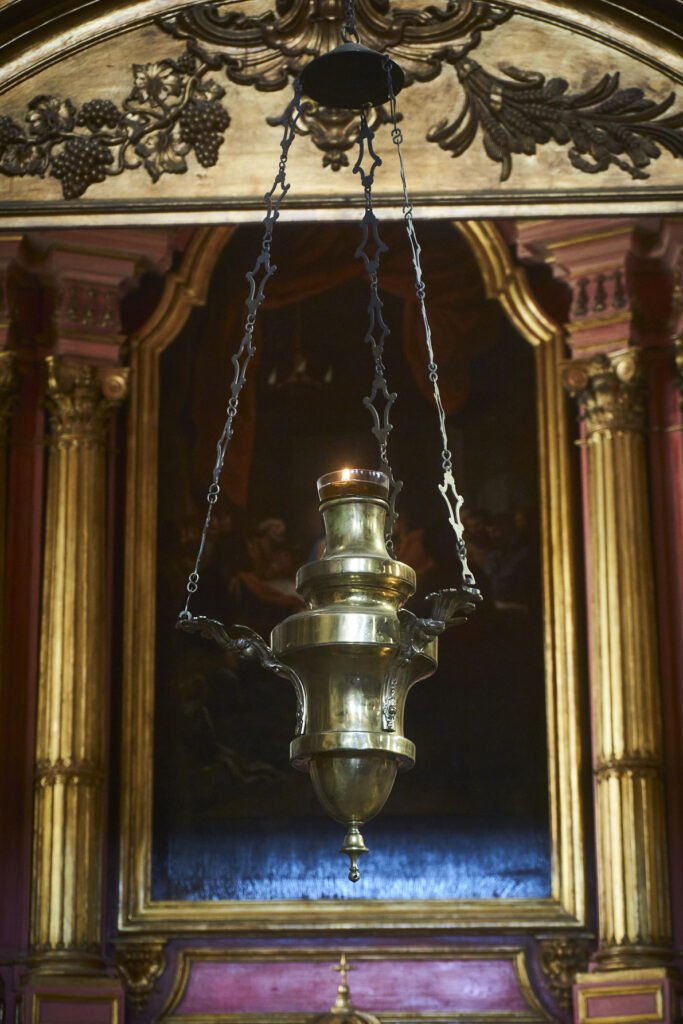
Despite its seemingly more discreet front, just walk to the side to find an imposing Manueline portalUpon entering the church (free admission), the tile panels, ceiling, and painting in the chancel are particularly noteworthy.
When leaving the church, take the opportunity to have a coffee in this square or sit for a while in the shade beside the long fountain located here.
For those who prefer this type of tour, this is undoubtedly the most historic part of Setúbal and Troia.
Luísa Todi Avenue & Luísa Todi Theater
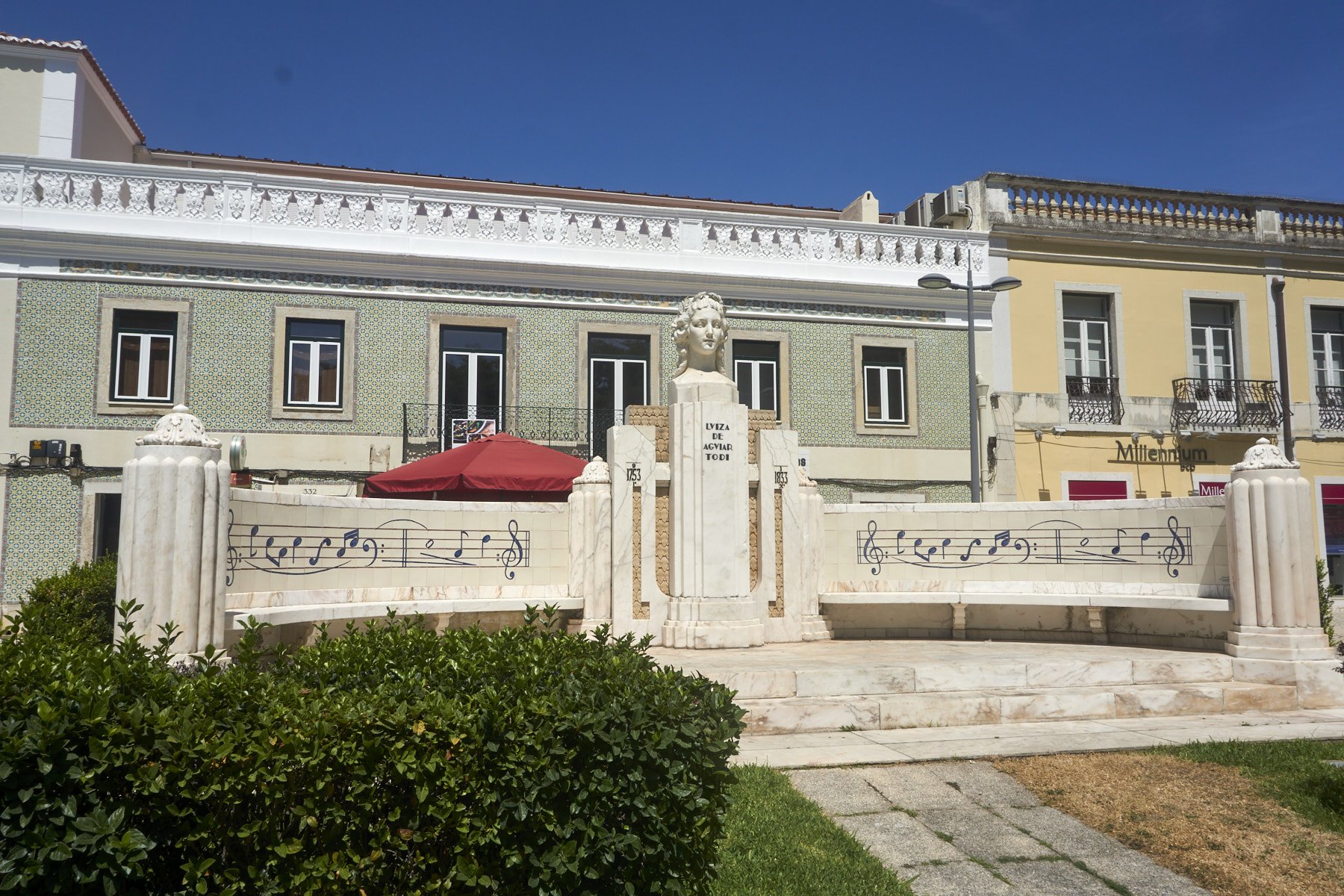
Heading towards Setúbal Bay, we find the Luísa Todi Avenue, the most important one in the city.
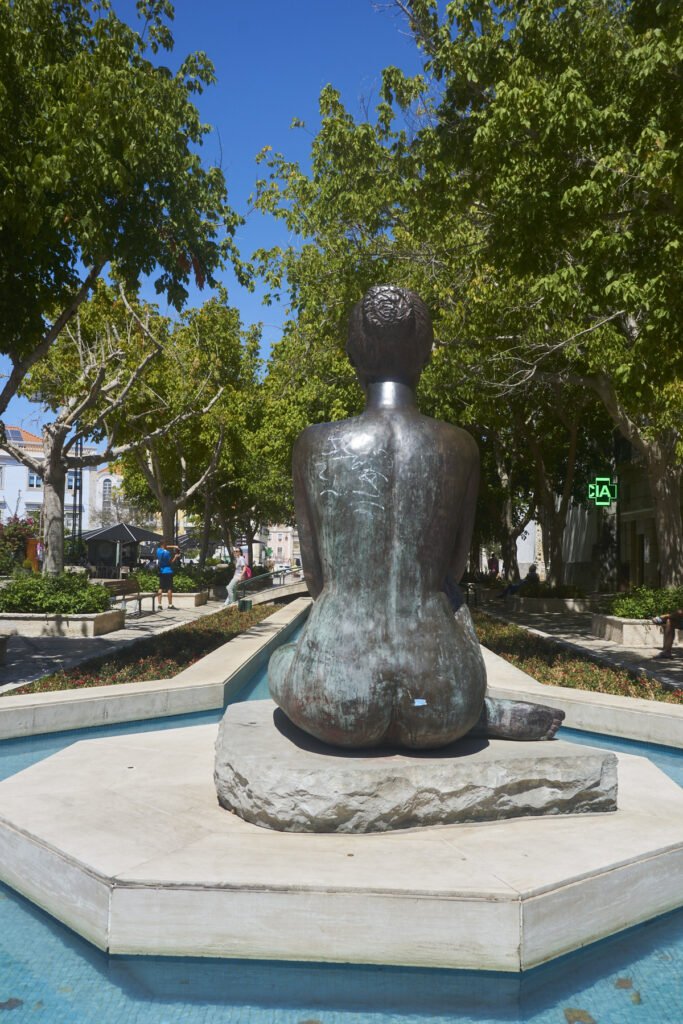
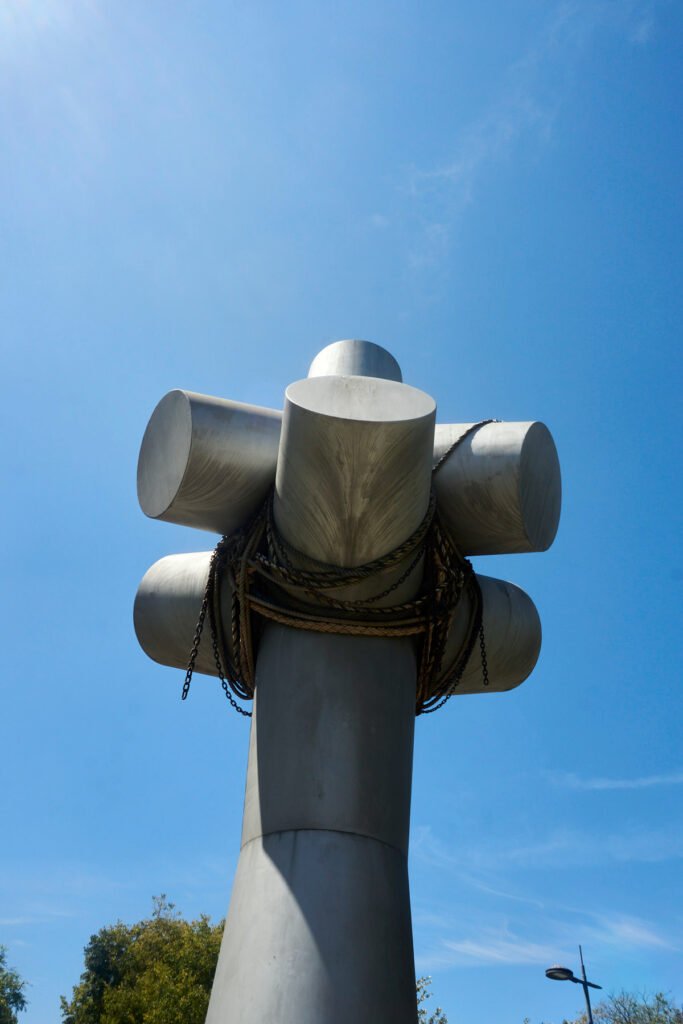
In the middle of this avenue there is a large garden, composed of sculptures by various artists. Be sure to visit the Fountain of the Muses to admire this beautiful work.
Further down the avenue is the Luísa Todi Municipal Forum, inaugurated in 1960 and located where the Rainha D. Amélia Theater used to be. Although it does not have the same beauty as the previous theater, we always recommend that those who enjoy shows check out the Municipal Forum's program.
Walking in the opposite direction of the avenue, a building stands out on our left with its pink/salmon color: it is Livramento Market, also known as Setúbal Market.
Livramento Market / Setúbal Market
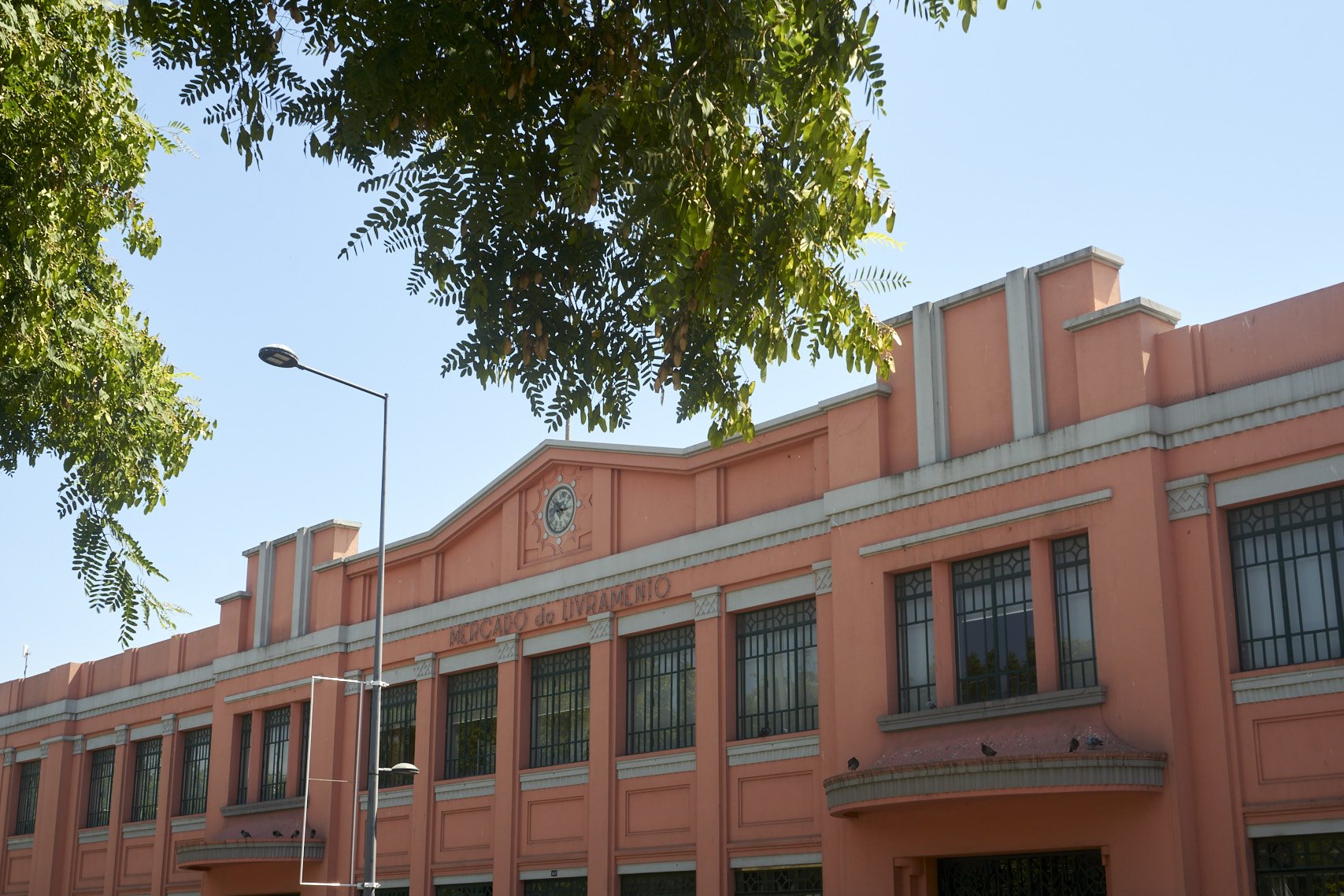
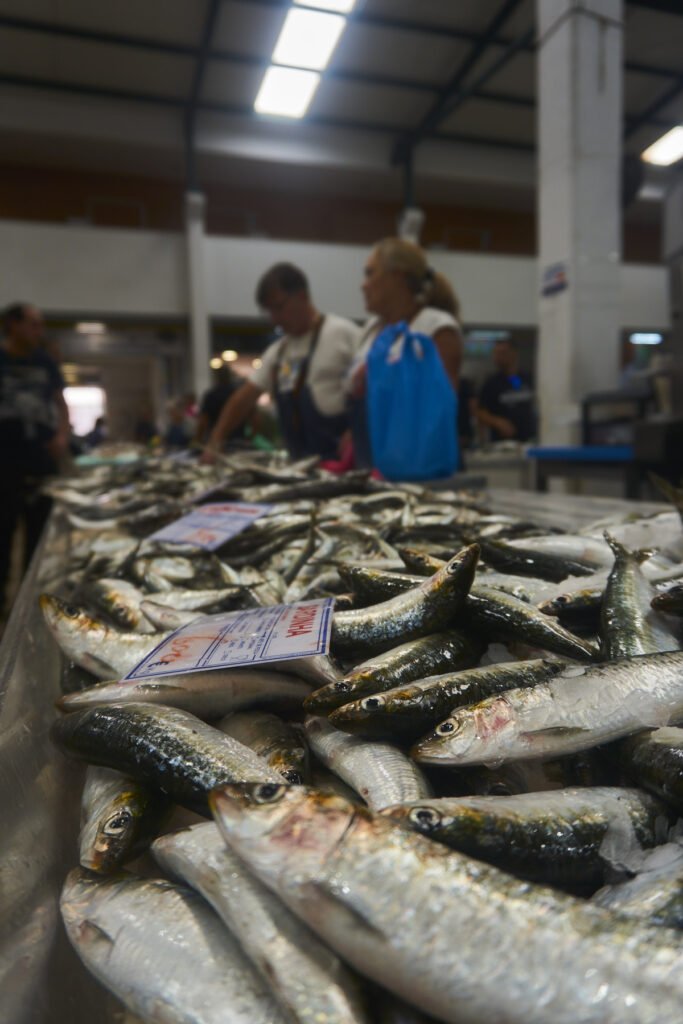
Considered one of the best fish markets in the world, Livramento Market was inaugurated in 1930, replacing a previously demolished market.
Here you will find hundreds of merchants who, among vegetables, fruits, and fish, bring life to the space.
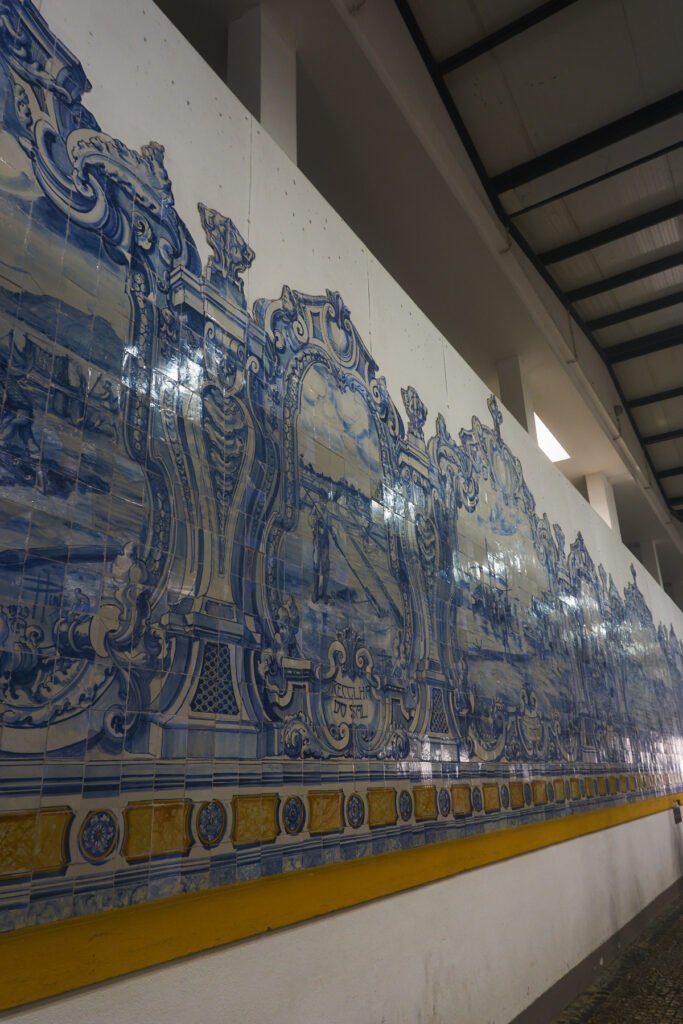
On one of the walls, there are still several tile panels by the painter Pedro Pinto, depicting the various economic activities of Setúbal. Among the merchants, there are several sculptures representing the various merchants who can be found here. It is one of those places that we always recommend to anyone visiting Setúbal and Troia!
Setúbal Aqueduct & Bonfim Garden
(A little further away)
Further away from this area, but still within walking distance of 15-minute walk from Avenida Luísa Todi or 6 minutes from the Church of the Convent of Jesus (another place we recommend visiting), you will find what remains of the Setúbal Aqueduct and, on the next street, the Bonfim Garden.
The aqueduct was built in the 15th century and, although little remains of the structure today, it once stretched to the center of the city of Setúbal. Nowadays, it is still possible to see a few dozen of its arches, albeit in a strange setting, between buildings and Algodeia Park.
If you feel like enjoying a bit of nature, be sure to take a stroll through the more than 4 hectares of the Bonfim Garden, and see all the sculptures that are here.
Jesus Convent
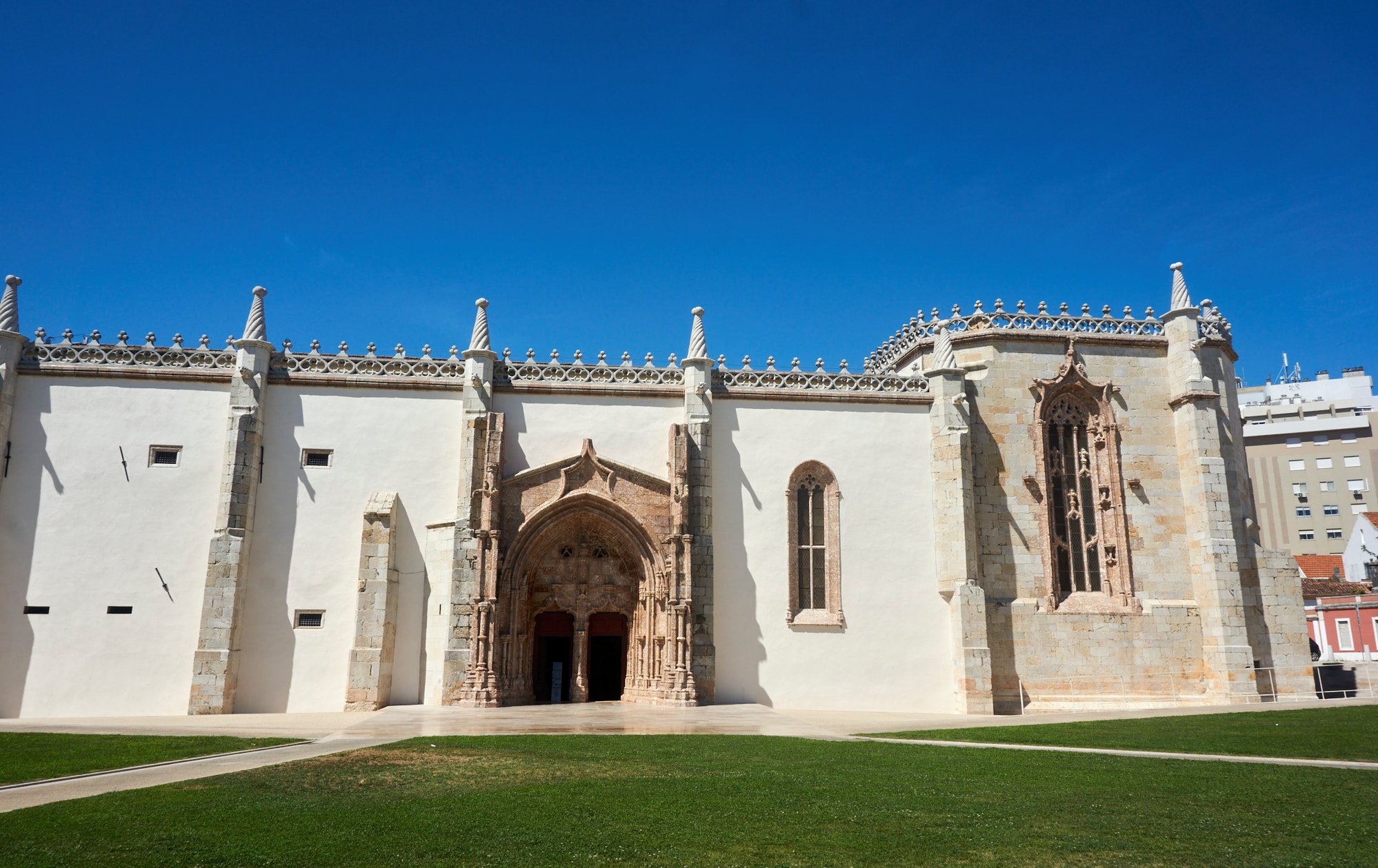
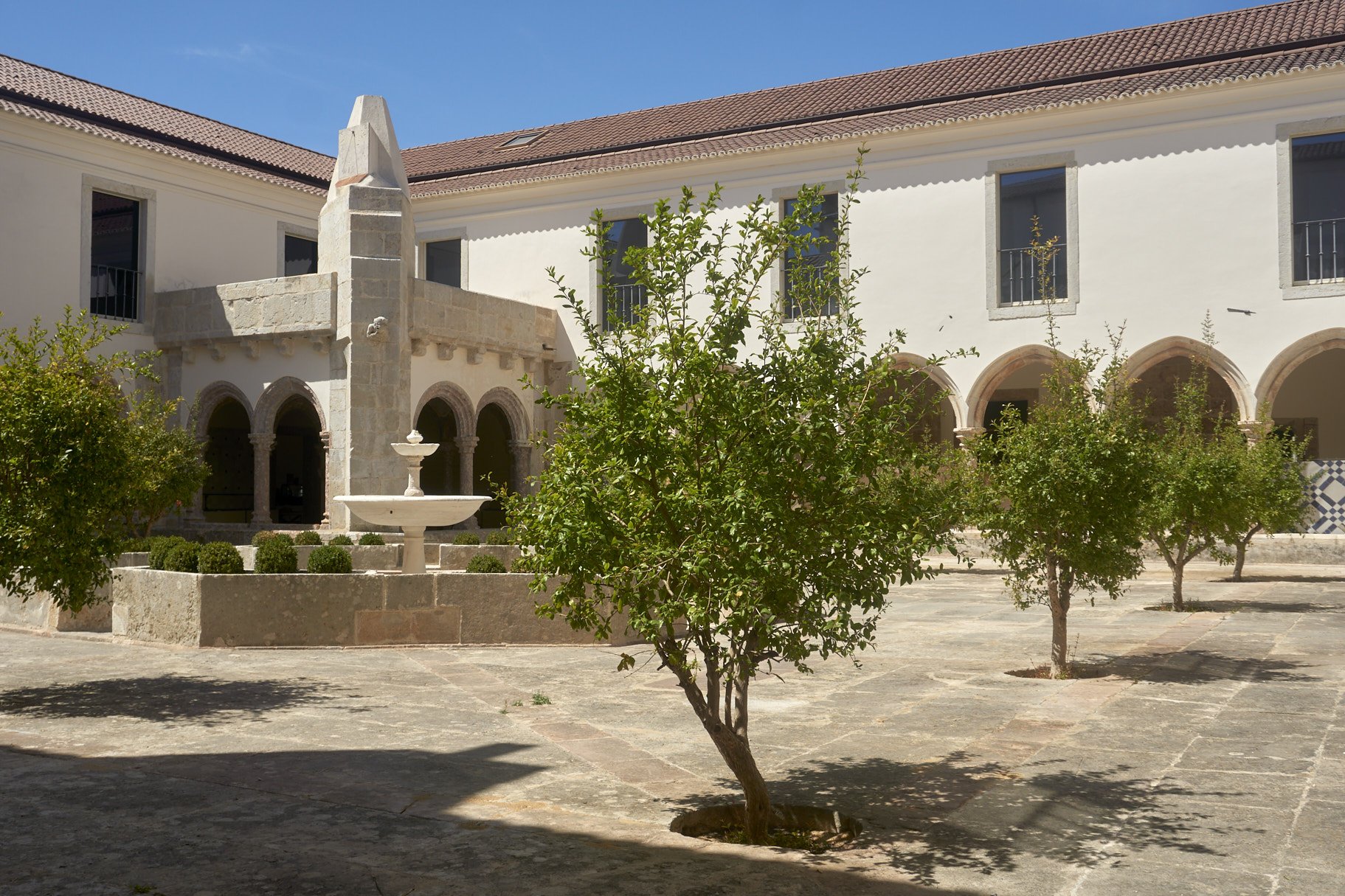
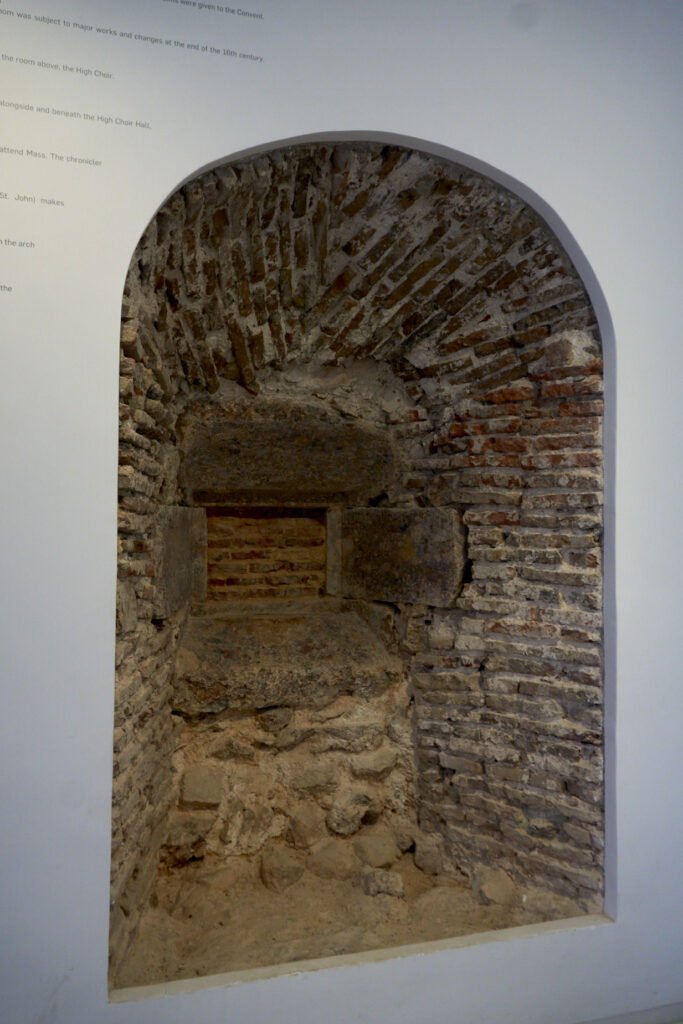
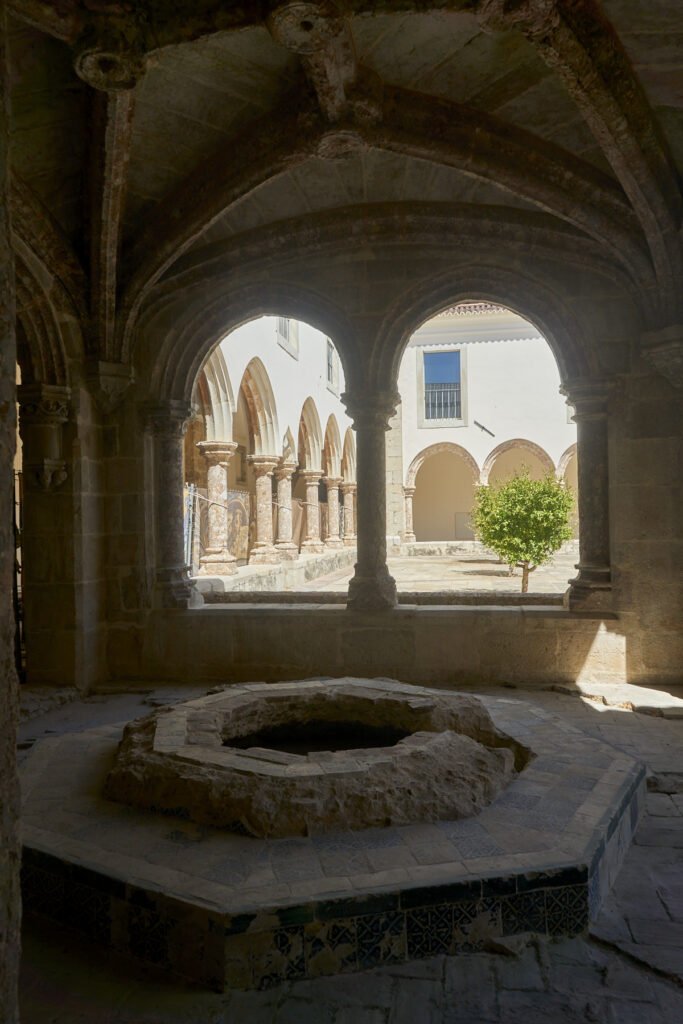
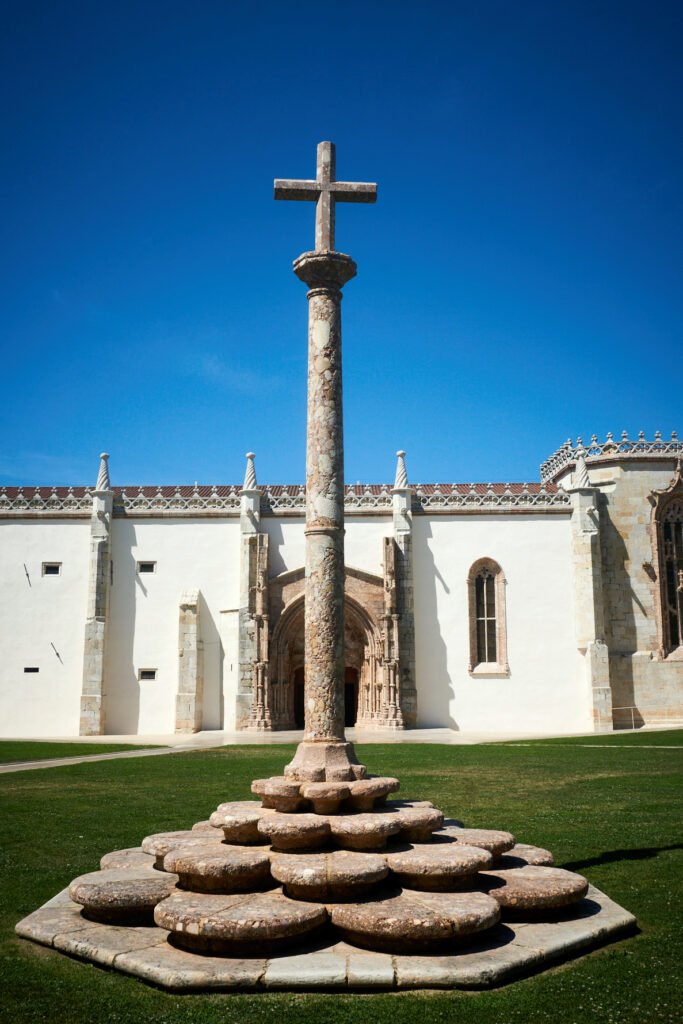
Built in the 15th century, the Jesus Convent It consists of an imposing Manueline-style building. It was in this building that the Treaty of Tordesillas was ratified in 1494, dividing the world into two parts for Portugal and Spain.
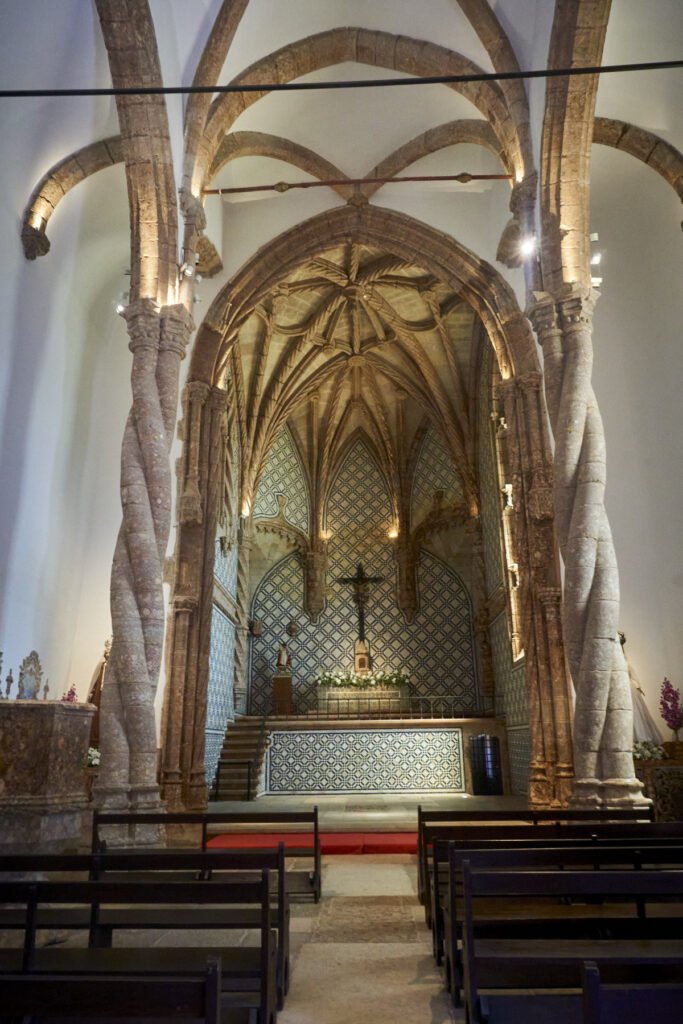
The visit to the Church is free. The church is extremely tall, with columns carved in the shape of ropes. The altar stands out due to the contrast between the green and white tiles and the rest of the building.
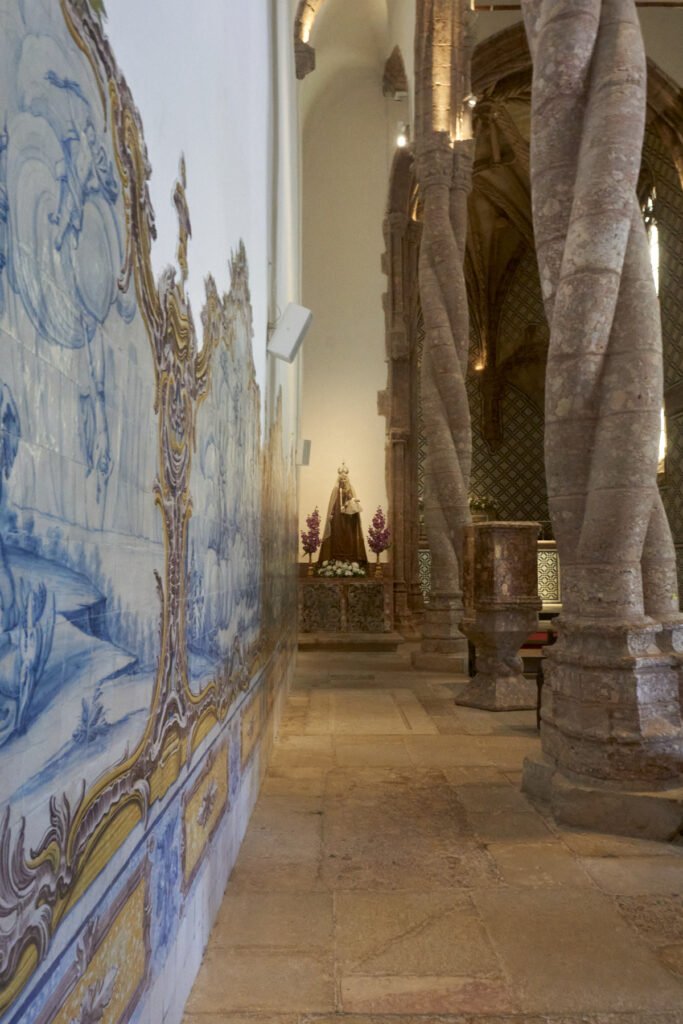
The rest of the building, the convent, is in the hands of the Setúbal Museum and costs 3.10€ / adult (in 2023). Even for those who don't like museums, we recommend a visit to see the building, its cloister, and the Chapter House.
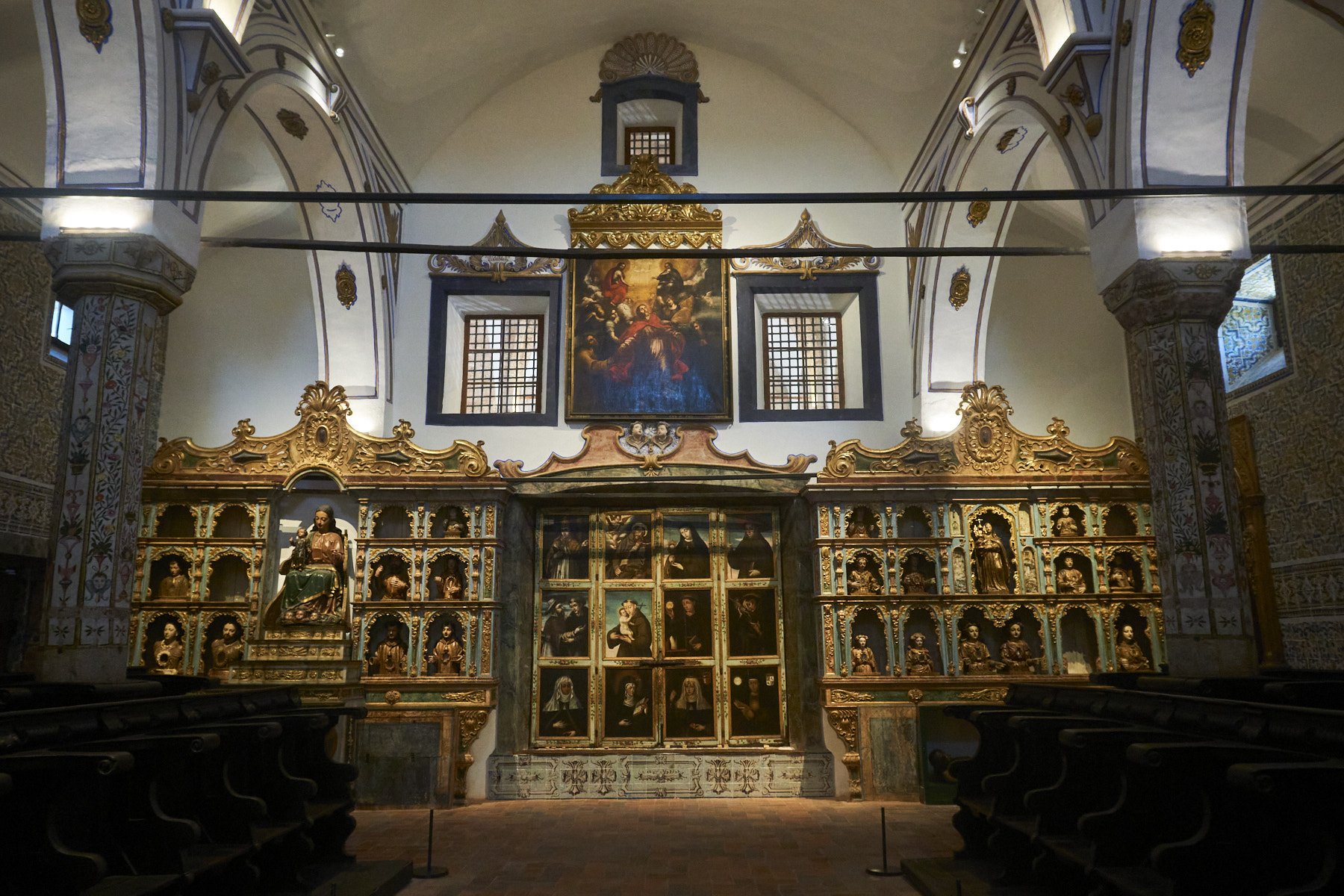
In the rooms of the Convent, you can also see the “Primitives of Setúbal,” 14 panels from the Altarpiece of the Church of Jesus.
Fishermen's Dock & Our Lady of the Rosary of Troia
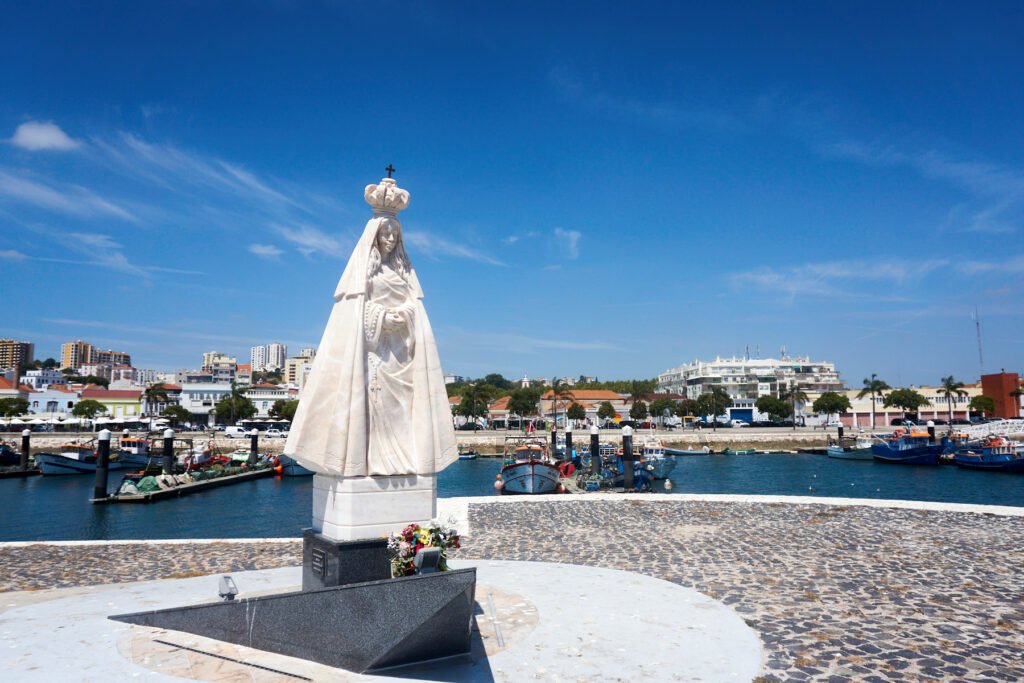
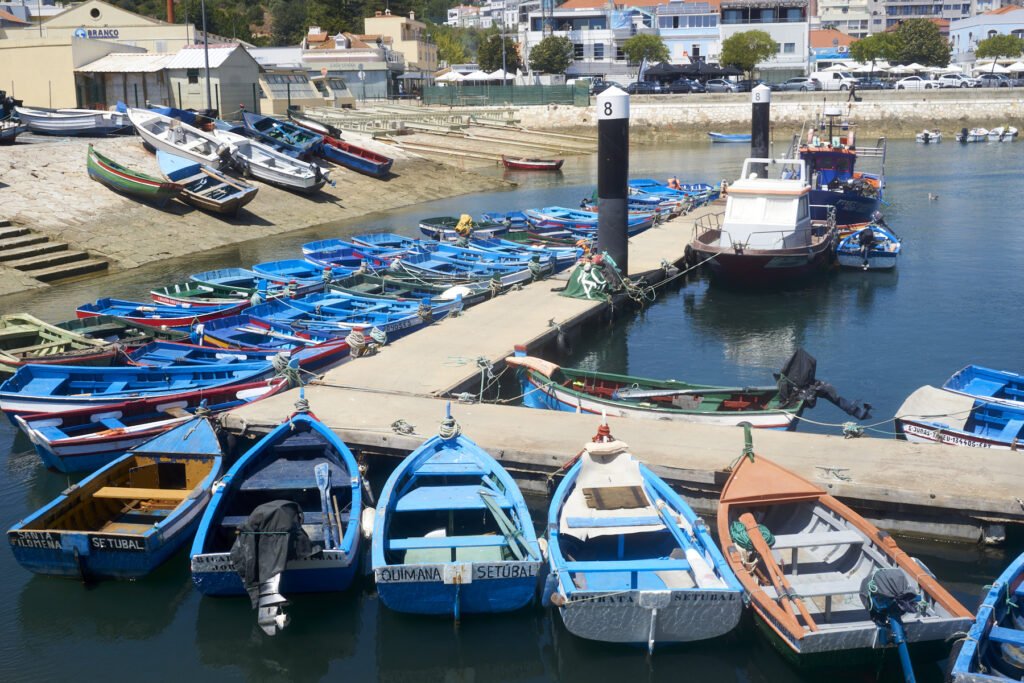
As a city linked to fishing, Setúbal obviously has a strong presence of fishermen. Consequently, the fishermen dock become a must-see – especially because the blue-painted boats make for an incredible backdrop.
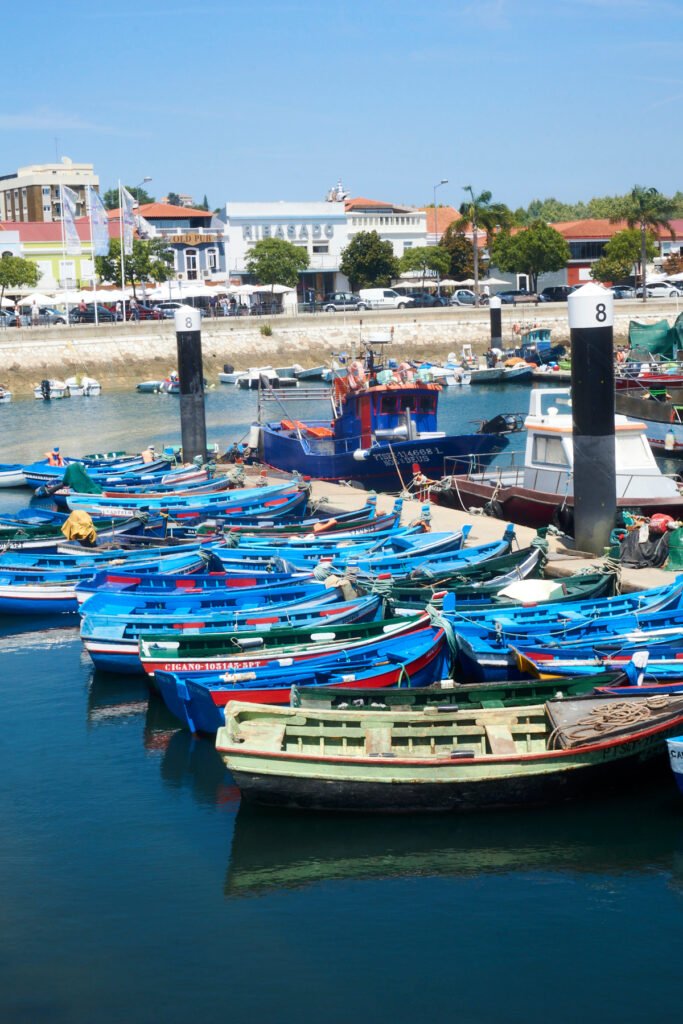
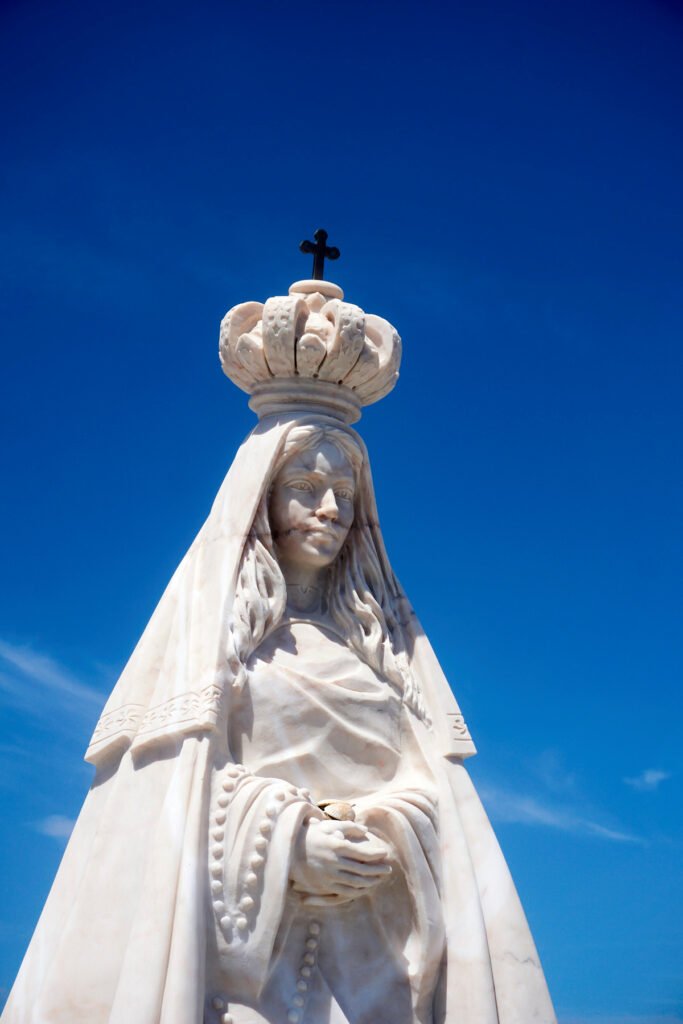
It is in this area of the dock that you will find the Our Lady of the Rosary of Tróia – a statue in honor of the Patron Saint of Fishermen and a saint who has a church on the Troia Peninsula, towards which the statue is facing.
Tours in Sado
This is one of the areas where some of the companies that organize tours on the Sado operate, most of them with the aim of seeing dolphins. In our case, we didn't have the opportunity to try this experience, but there are several options depending on the type of activity you are looking for. Another place where boats commonly depart for this activity is at the Fontaínhas Recreational Dock, where the ferry also departs.
For tours aimed at seeing dolphins, prices usually start at €40.
This is one of those activities available in Setúbal and Troia, on both sides of the river.
Fort of Saint Philip
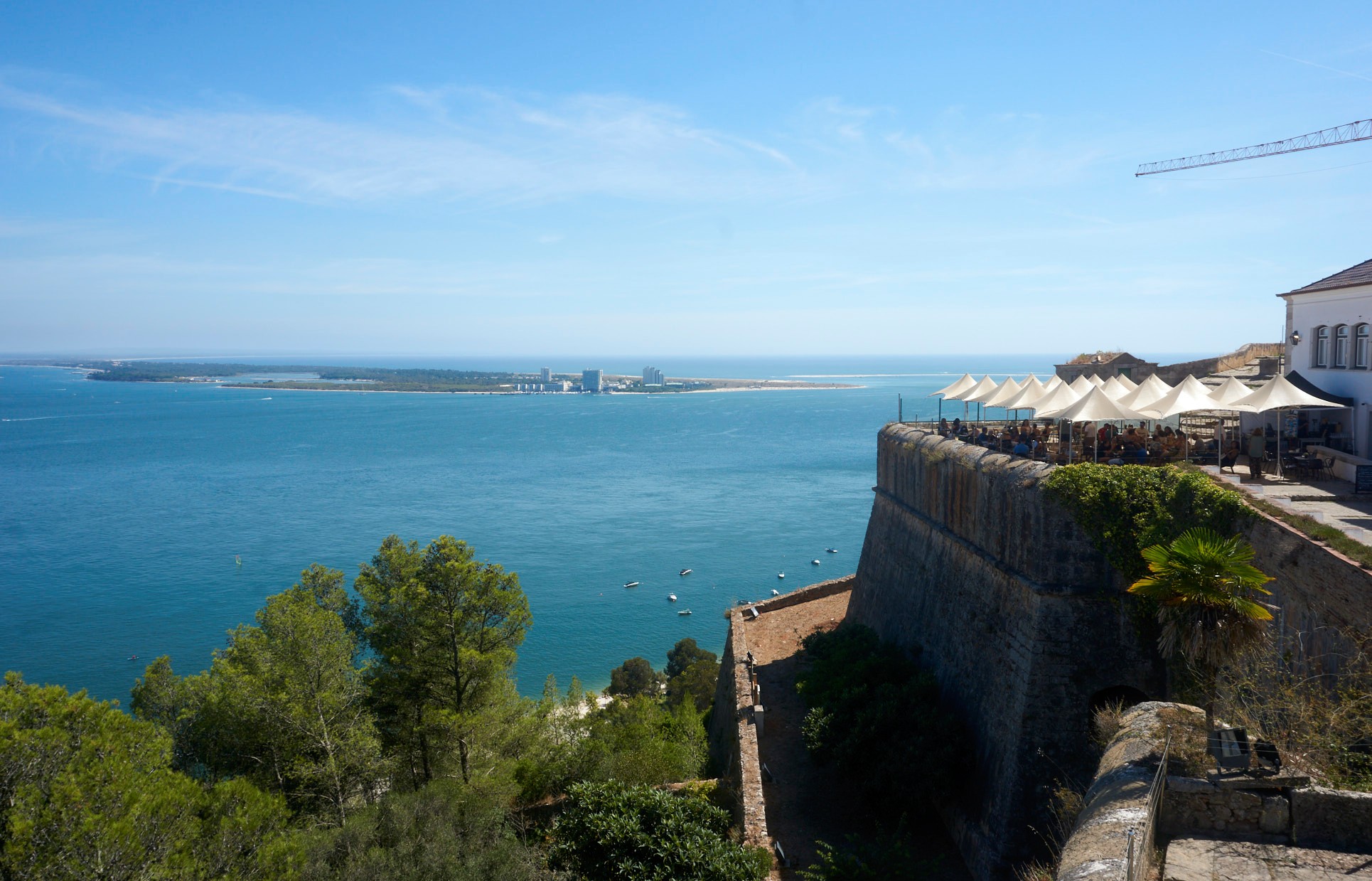
Built in the 16th century to defend Setúbal against piracy, the Fort of Saint Philip rises high above the city.
With free entry (and parking inside the six-pointed star-shaped wall), the fort is an excellent place to stop at the end of the day to enjoy the last rays of sunshine illuminating the city.
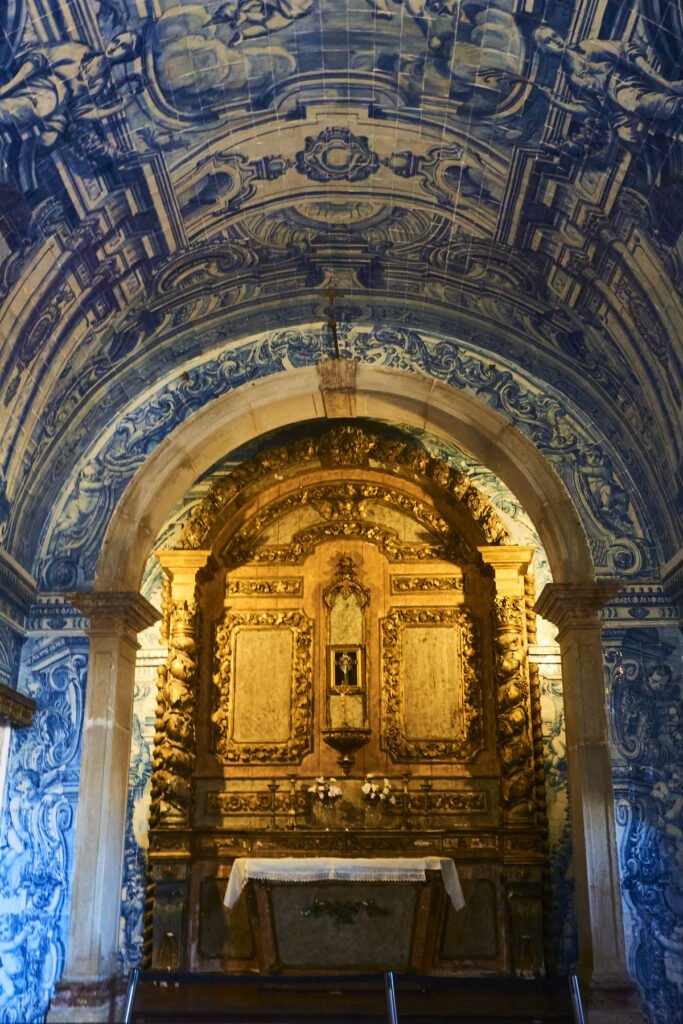
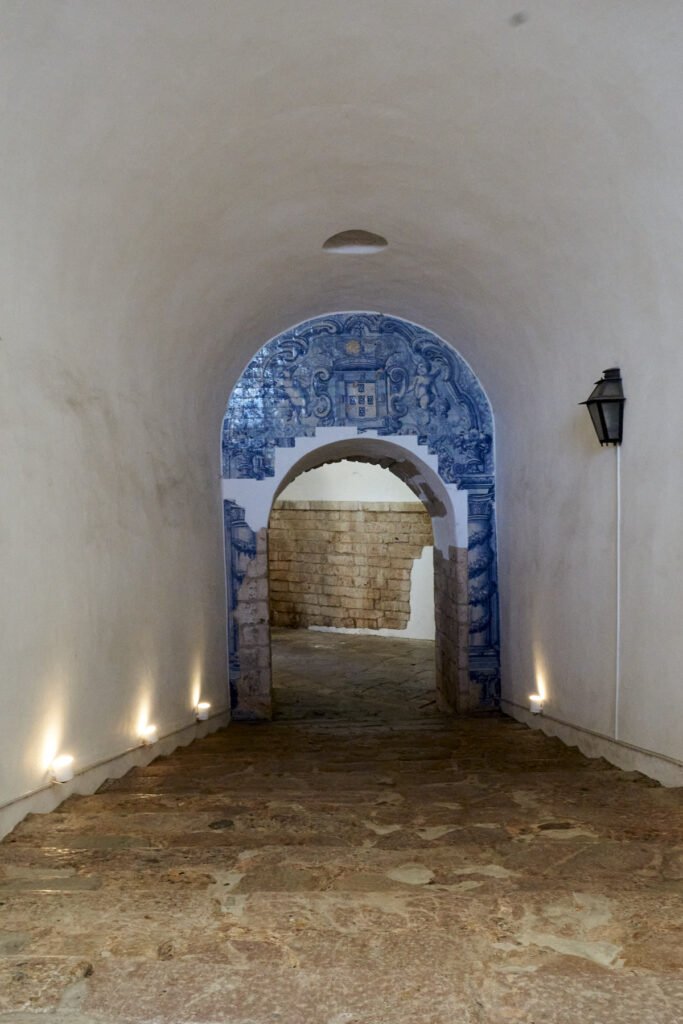
Inside, there is a chapel covered in blue tiles and, at the top, a terrace.
Access to the fort is not possible for people with reduced mobility, as it involves climbing some stairs.
Beaches
O que não falta em Setúbal e Troia são praias! Dá mesmo para passar uns dias aqui e escolher uma praia diferente por dia e todas com um mar azul claro.
- In Setúbal, here they are:
- Albarquel Beach, the only beach that can be reached on foot from Setúbal
- Figueirinha Beach
- Galapos Beach
- Galapinhos Beach, separated from the previous one by rocks, was once considered the most beautiful beach in Europe.
- Rabbit Beach, unguarded and more difficult to access
- Portinho da Arrábida Beach, one of the Seven Natural Wonders of Portugal
You can find out more about the options on the municipality's websit hereThere are also beaches on the other side of the river (shown below) – Setúbal and Troia are the perfect destination for those who like to visit different beaches!
Troia
A visit to this region must, of course, include the other side of the river—Setúbal and Troia are even more beautiful together! The famous Troia Peninsula, on the other side of Setúbal, is known for its paradise-like beach and the luxury yachts that are often found here. For those visiting Setúbal, we sincerely recommend taking some time to discover the wonder that is Troia.
How to get there
Although the road to Troia is easily accessible by car, the most direct route is undoubtedly by ferry or catamaran from Setúbal. The service is provided by Atlantic Ferries, which has a very good website with information on departures and arrivals, which you can consult here.
Both the ferry and the catamaran depart from the Fontaínhas Recreational Dock, and access (on foot or by car) is quite intuitive.
If you are on foot, you will have to take the catamaran, which docks closer to Troia than the ferry. The catamaran costs €4.80 per adult (2024) and takes an average of 15 minutes, docking at Troia Marina.
Those traveling by ferry will incur a cost of €20.40 per adult (light vehicle + driver), plus €5.40 per adult (2024). In this case, the ferry stops at the south pier of Troia, an 11-minute drive from Troia Marina.
What to See
Troia Resort provides a map showing points of interest in Troia (here), which you can consult to guide your trip.
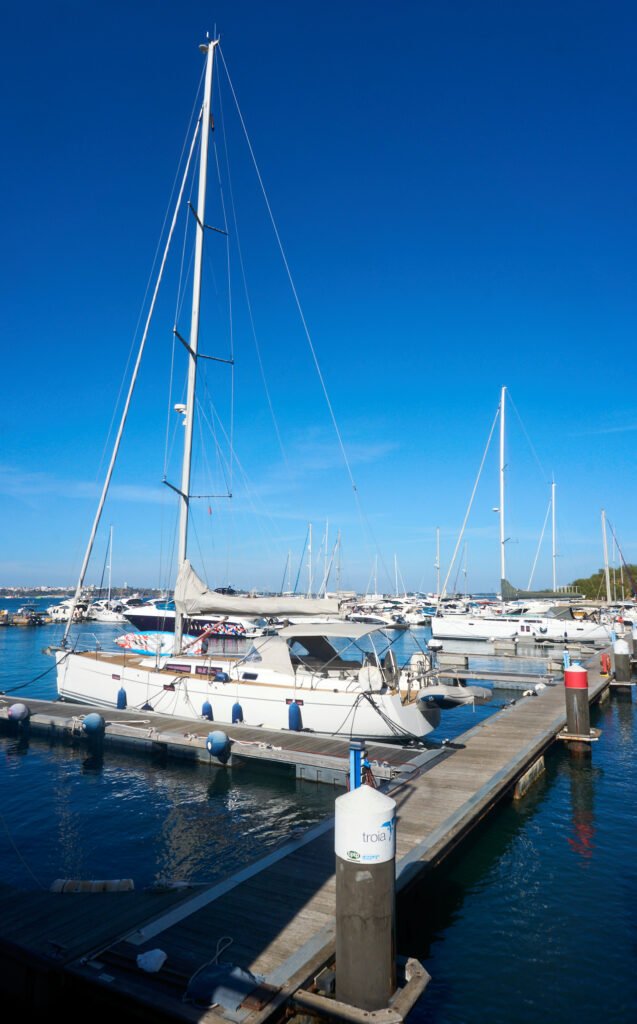
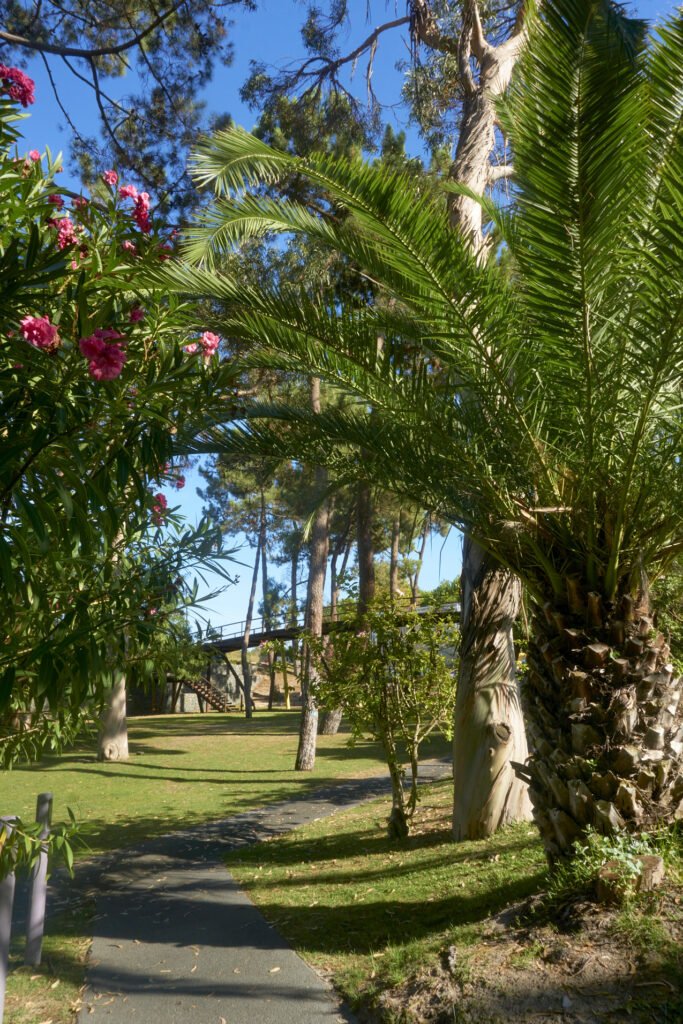
Mandatory crossing points are obviously the Troia Harbor, with its imposing yachts, and the park next to the marina, where there seems to be a little bit of everything but on a smaller scale – giving the impression of a city in miniature.
From the Marina area, you'll pass by the Troia Casino, another interesting place to visit. From here, heading towards the beach, you will find long walkways that take you to Tróia-Mar Beach or, if you continue along the walkways, to Tróia-Bico das Lulas Beach. Two incredible beaches for those who like to relax on the beach away from the hustle and bustle. At the same time, due to its sandier nature, the beach is safer as you have to walk quite a distance before you can no longer touch the bottom.
The Caldeira de Troia It is an inlet on the peninsula that follows the tides of the sea. In addition to being a site with many water birds, there are also some small boats stranded here.
Close to Caldeira, you will find the ruins of the Sotto Mayor Palace, the Chapel of Our Lady of Troia painted in blue and white, and the Roman Ruins of Troy, at a cost of €6 per unguided visit. These destinations, along with Caldeira, are further away from the beach area, so you will need to go by car.
Troia is also known for sports, such as its magnificent golf course.
Setúbal and Troia are therefore the perfect destination for a vacation (alone or with the family). If you have more time, be sure to explore the Arrábida Mountains and the incredible nature tourism that can be found here.
more to see
like Setúbal and Troia