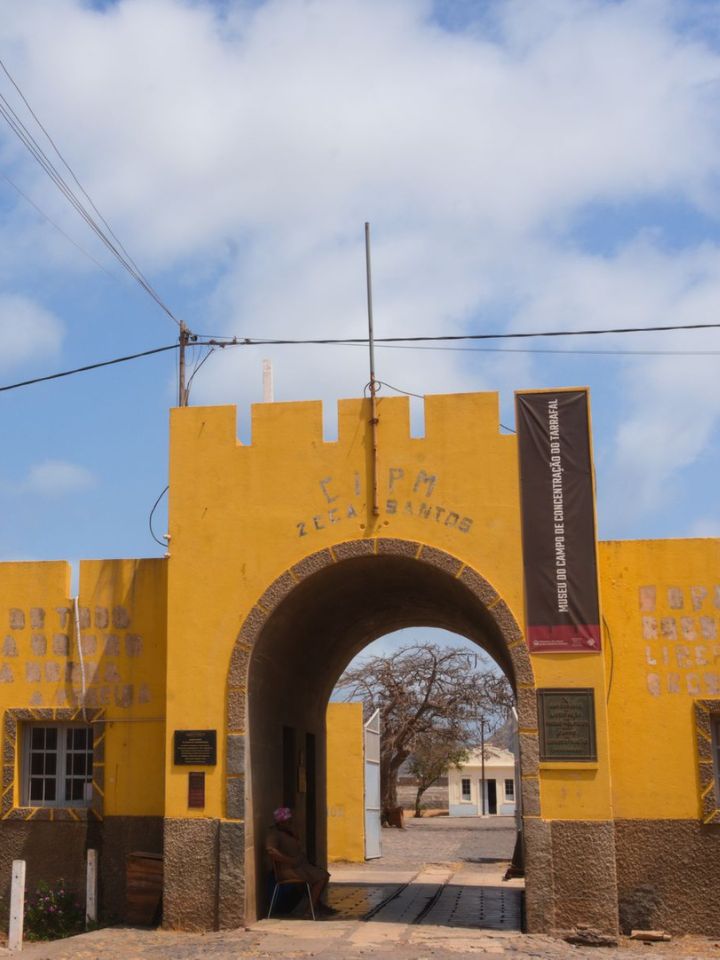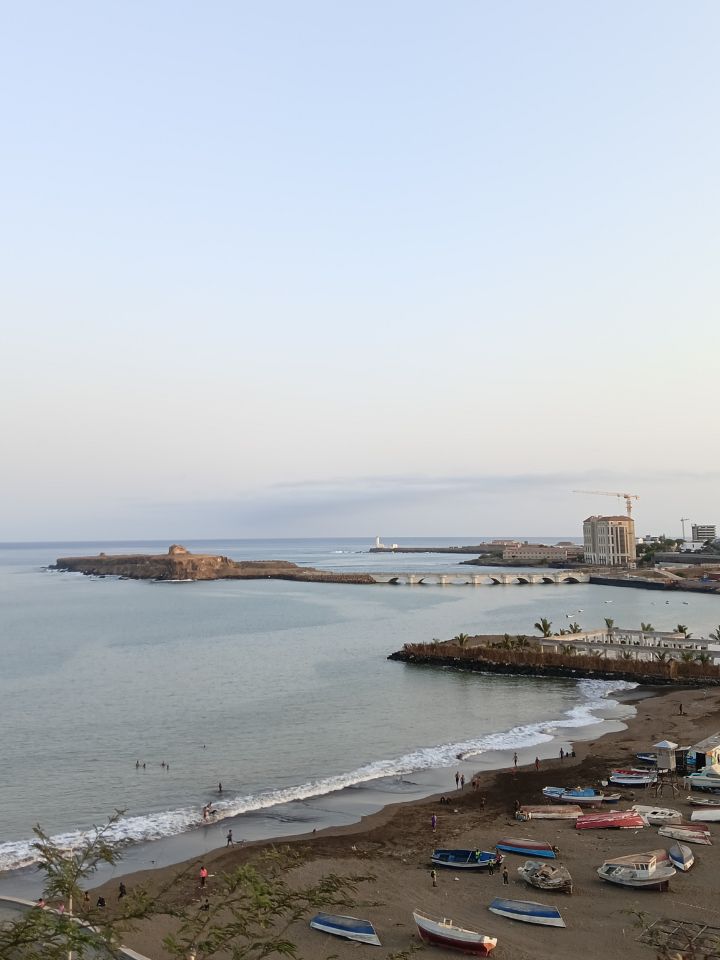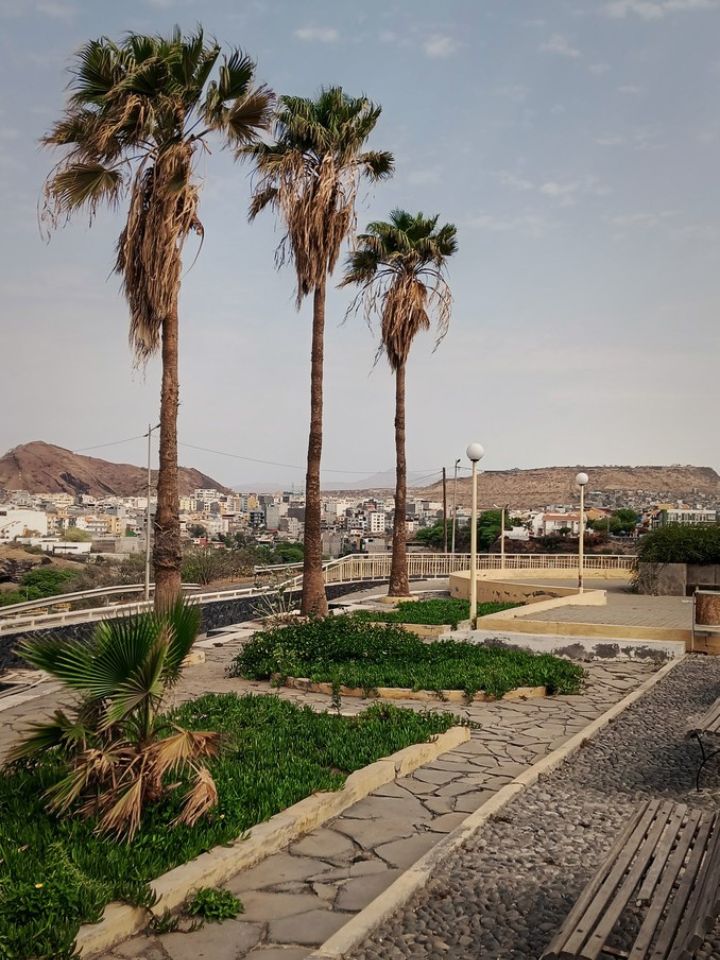
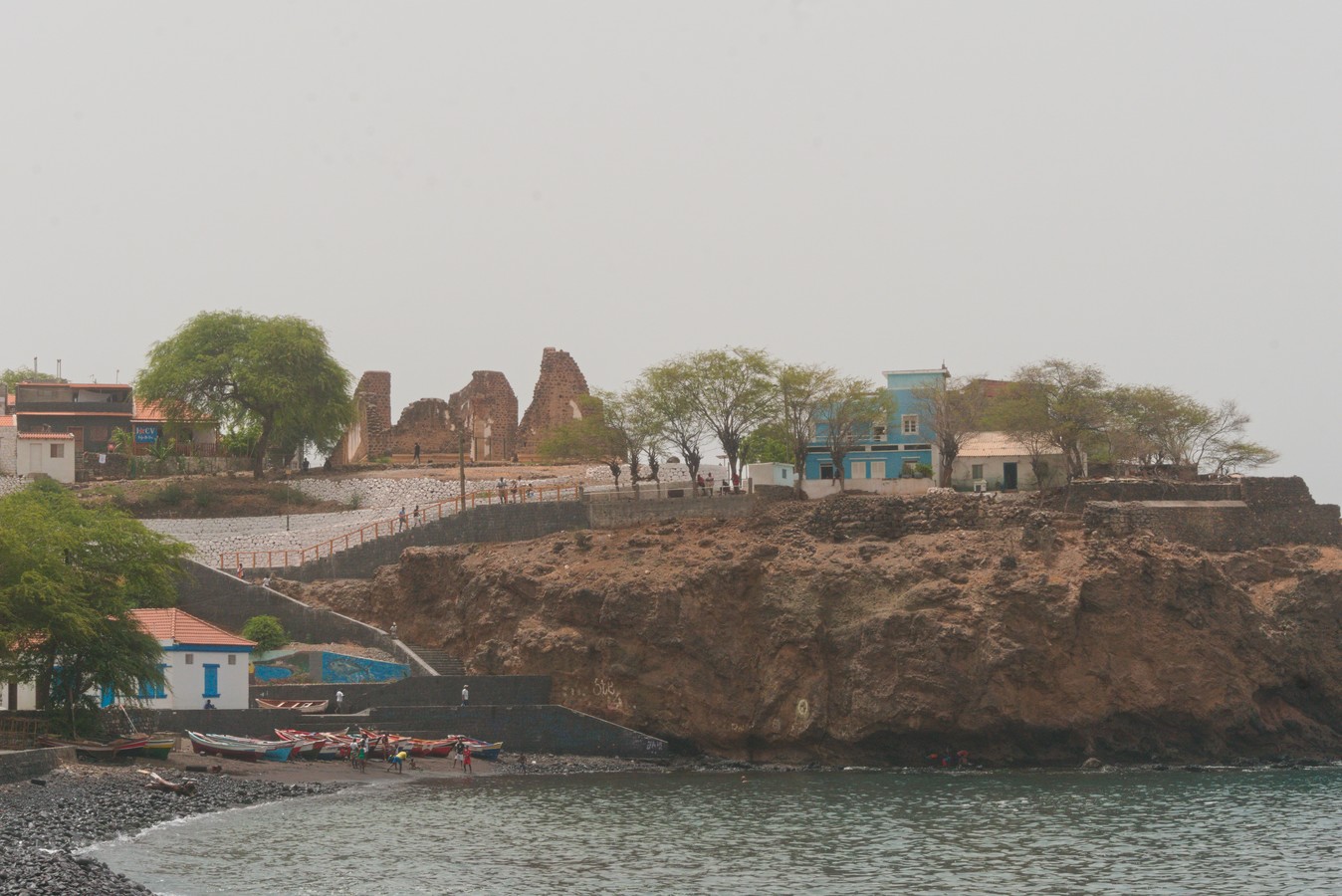
Visit the Old Town (or Old Town of Santiago), on the island of Santiago, Cape Verde, is to visit a place steeped in history. Situated 13 km from the city of Praia, the country’s capital, Cidade Velha was Cape Verde’s first capital, and was known at the time as Ribeira Grande.
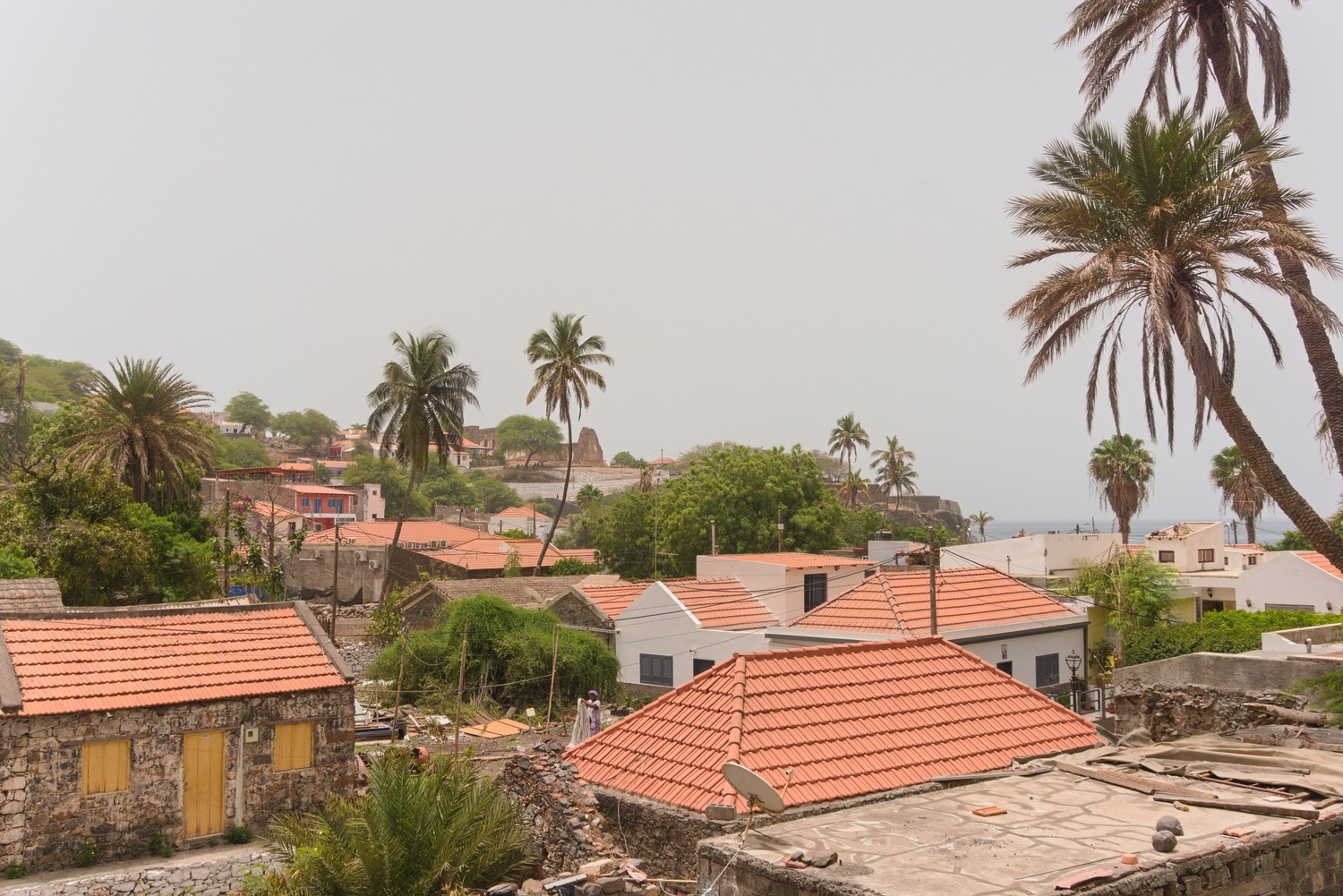
A Brief History of the Old Town (Cidade Velha)
The city was founded in 1462, two years after the arrival of the Portuguese explorers. In the years that followed, it became an important historical site. In 1497, Vasco da Gama stopped here whilst on his voyage to discover the sea route to India. The following year, Christopher Columbus also stopped here on one of his voyages to the Americas.
Several decades of transatlantic slave trade followed. The city maintained this role for many years, owing to its strategic location. In the years that followed, the city continued to grow and develop, and many of its iconic buildings were constructed.
In 1769, it lost its importance when the capital was moved to the town of Praia de Santa Maria, now known as Cidade da Praia. As a result, many of its buildings were gradually abandoned and eventually fell into ruin. However, some effort has been made to revitalise this truly beautiful destination.
How to Get to the Old Town
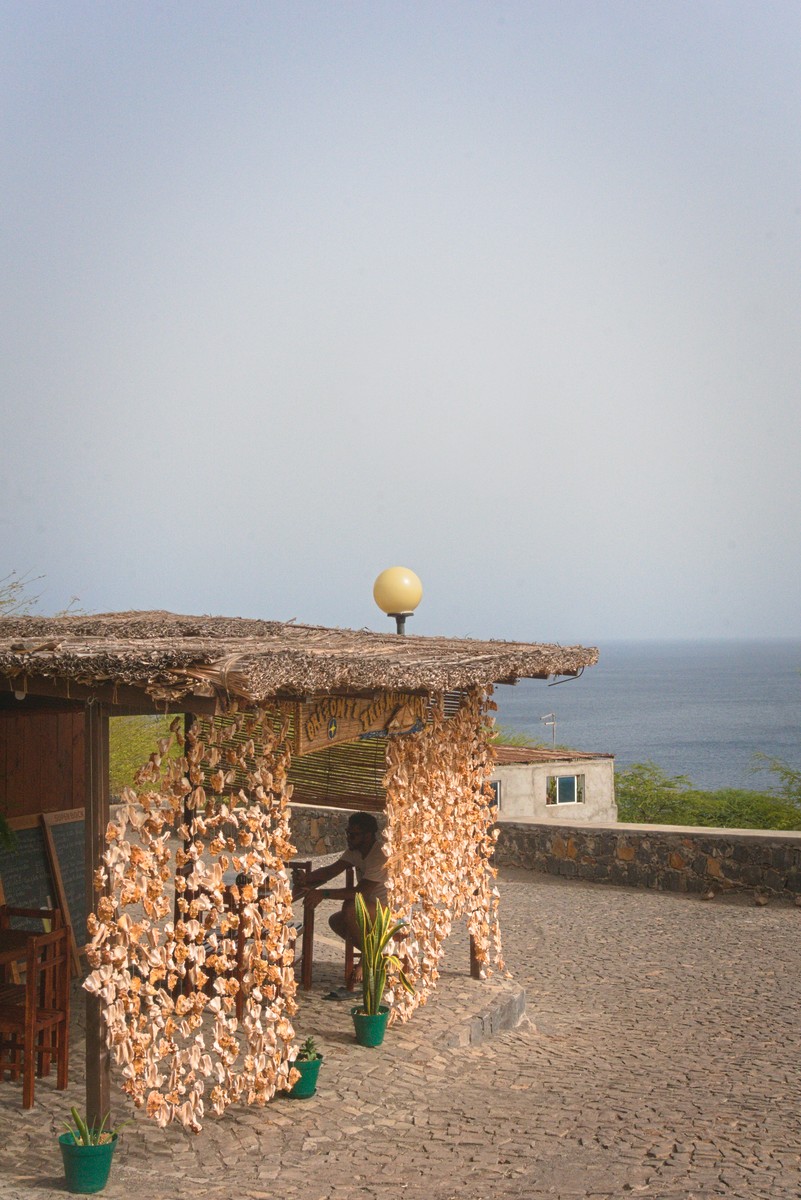
To get to Cidade Velha (Old Town), you’ll really need to take a car. To do so, you can either take a taxi (where you’ll obviously pay more) or opt for the island’s traditional mode of transport: the Hiace.
The Hiace (yes, referring to the Toyota Hiace) are minibuses that operate as buses on the island – they’ll take you, at an affordable price, to various parts of the island. However, please bear in mind that, as long as there’s space, the minibus will be full. In our case, there were 16 people (!!) crammed into the van on the return journey to Praia. So, don’t choose this option if you have a problem with small spaces packed with too many people.
To catch these minibuses, head to the Sucupira Market in Praia, and next to the main roundabout you’ll find the various possible destinations. Each minibus is clearly marked, so you’ll have no trouble finding the one you’re looking for.
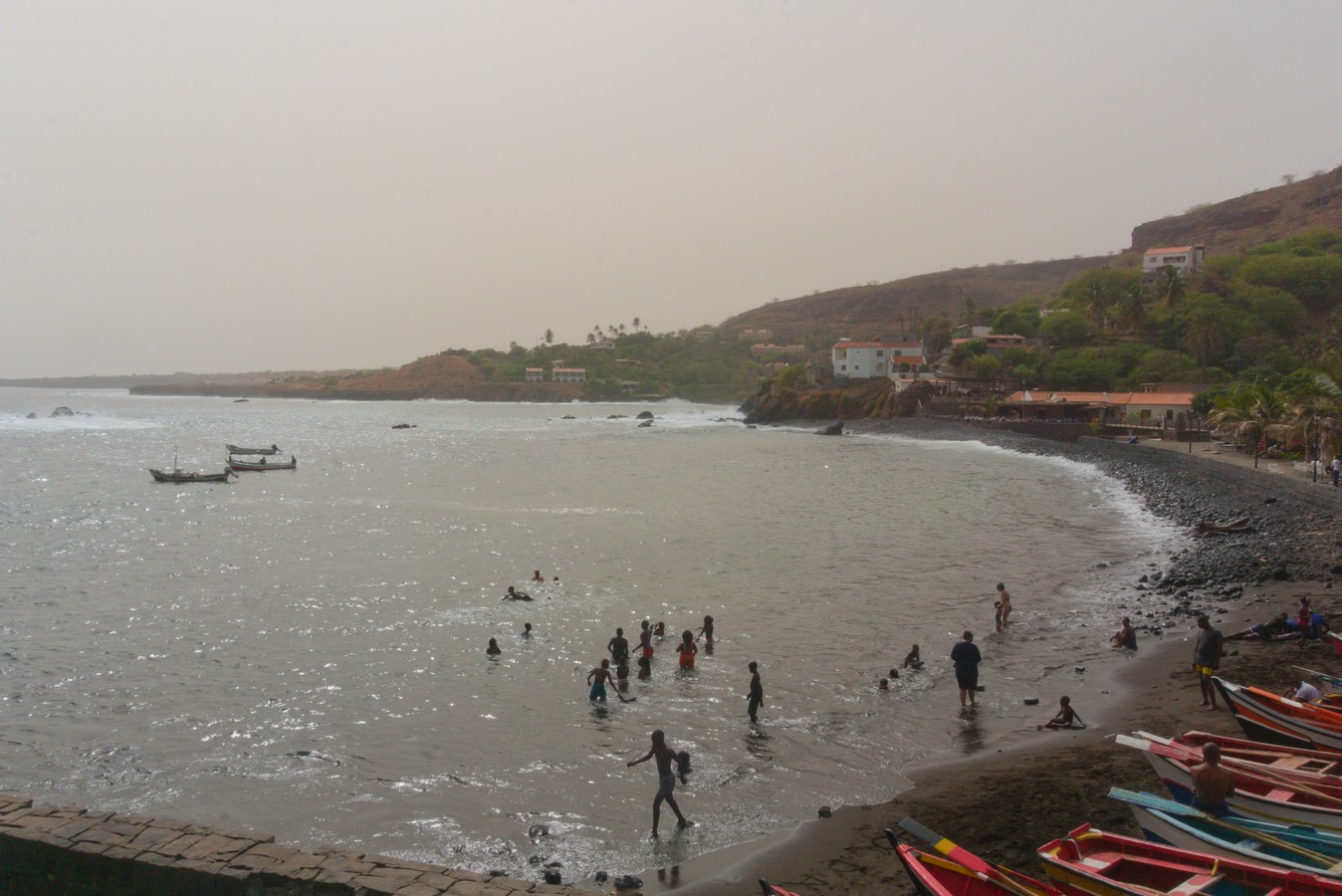
The prices are also very appealing. In 2024, we paid 300$ (Cape Verdean escudos) – the equivalent of around 2.72€ – for the journey from Praia to Cidade Velha. Check prices and timetables with the driver, but the minibuses usually run very frequently. The Hiace drops you off in the heart of Cidade Velha, in the historic centre of Ribeira Grande, right by the beach.
As we eventually decided to go to the Royal Fortress of São Filipe, we chose to walk straight to the main road and catch the first Hiace that came along (which took about 2 minutes – all we had to do was wave our hand). As we hadn’t started the journey from the historic centre, the fare was cheaper – we paid 200$ (around 1.81€). Payment is made in cash to the driver at the end of the journey.
Ribeira Grande Historic Centre
The Ribeira Grande Historic Centre is the heart of Cidade Velha. In the central area, as well as being a stop for the Hiace minibuses, you’ll find taxis and the tourist information centre. This is also where the souvenir and craft stalls are – and it was here that we found the most beautiful souvenirs of our trip. If you’d like to see more crafts, do also pop into the Cidade Velha Cultural Centre.
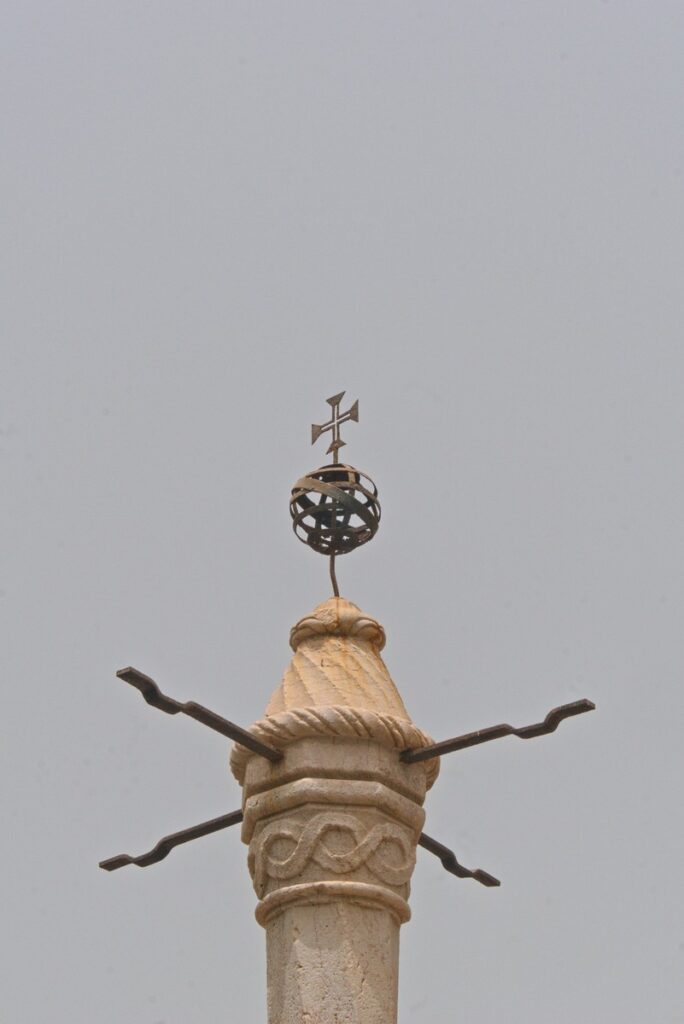
Here you will also find the city’s Pillory, , dating from 1520. As Cidade Velha is the oldest town on the island, the pillory is believed to be the oldest monument in Cape Verde.
This is also the area where the beach is located, as well as most of the cafés and restaurants.
Banana Street and the Church of Our Lady of the Rosary
Near the historic centre, you’ll find Banana Street. This is the most famous street in Cidade Velha, having been the first to be built in Cape Verde. The street consists of a row of identical houses: painted white and with thatched roofs. Along the street you’ll find several palm trees, which make this street even more iconic.
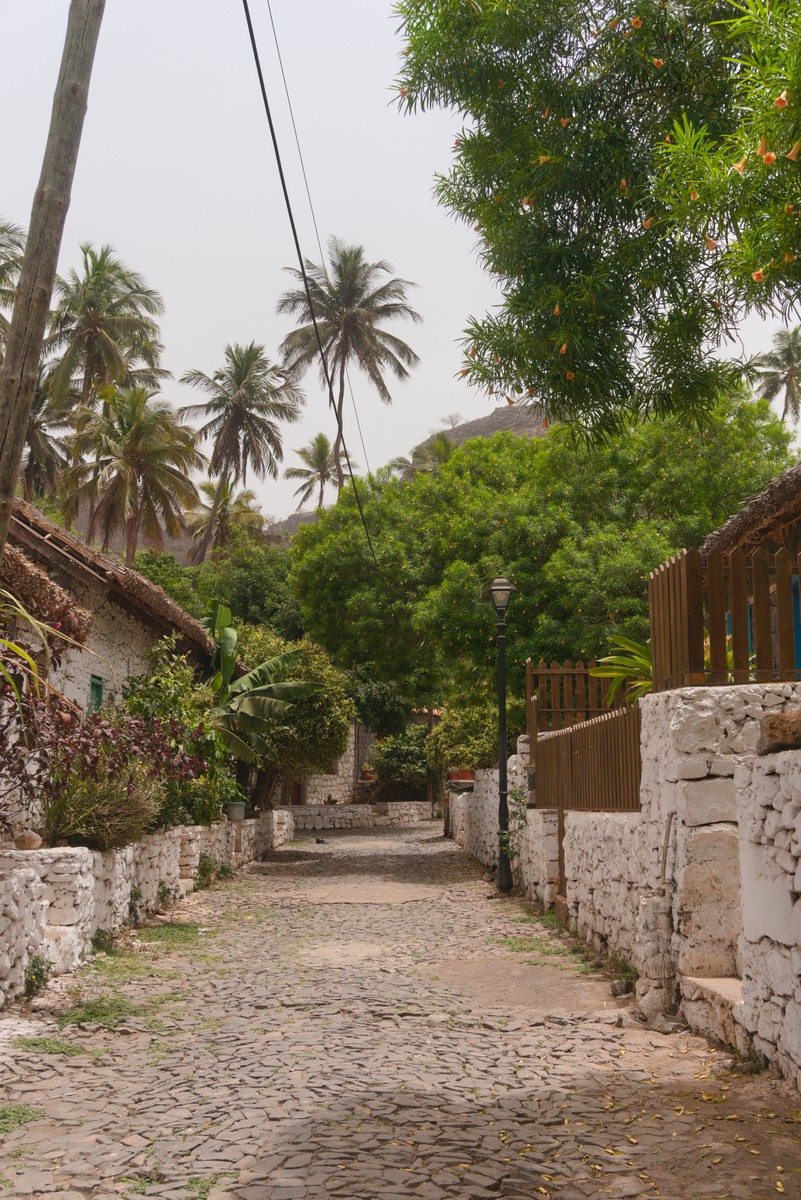
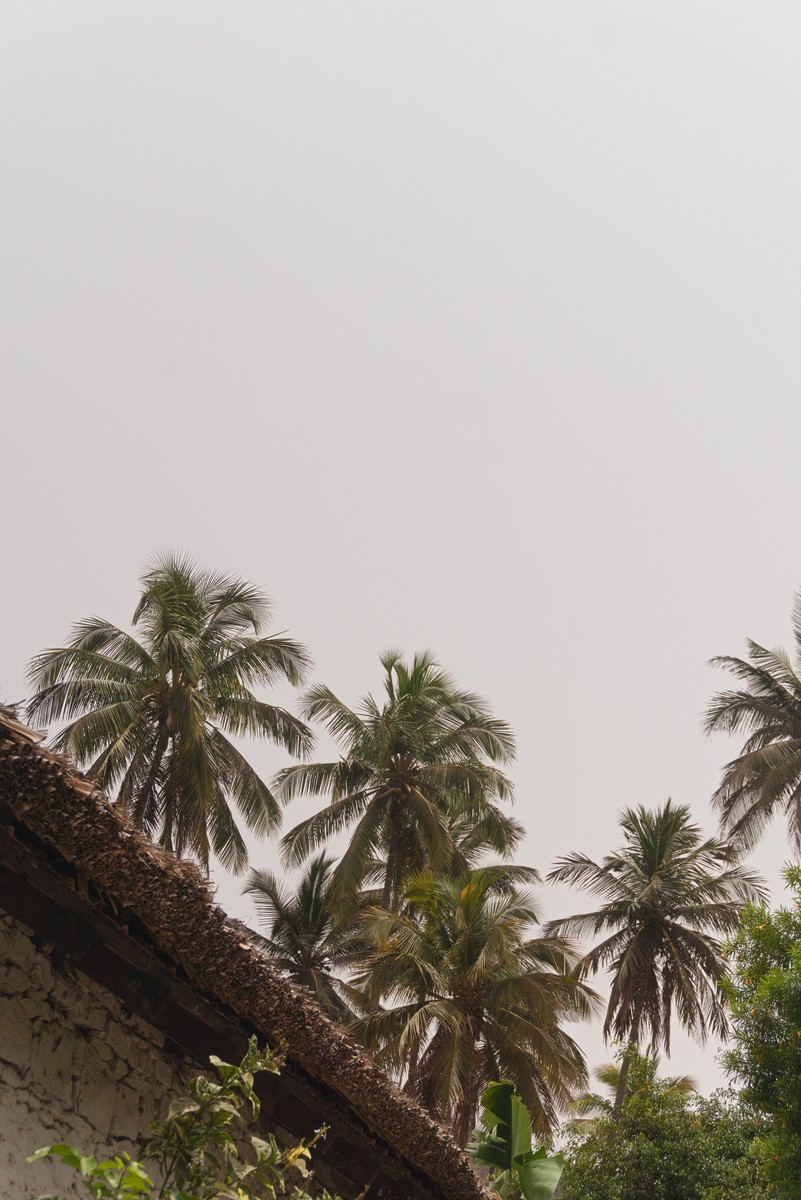
At the end of the street you will find the Church of Nossa Senhora do Rosário, built in the 15th century.
Built in the Manueline style, its wooden ceiling and tiled panel are particularly striking. The symbol of the Portuguese crown can be seen on its vaulted ceiling. It is the first colonial church and also the oldest building still in use in Cape Verde. Admission was free.
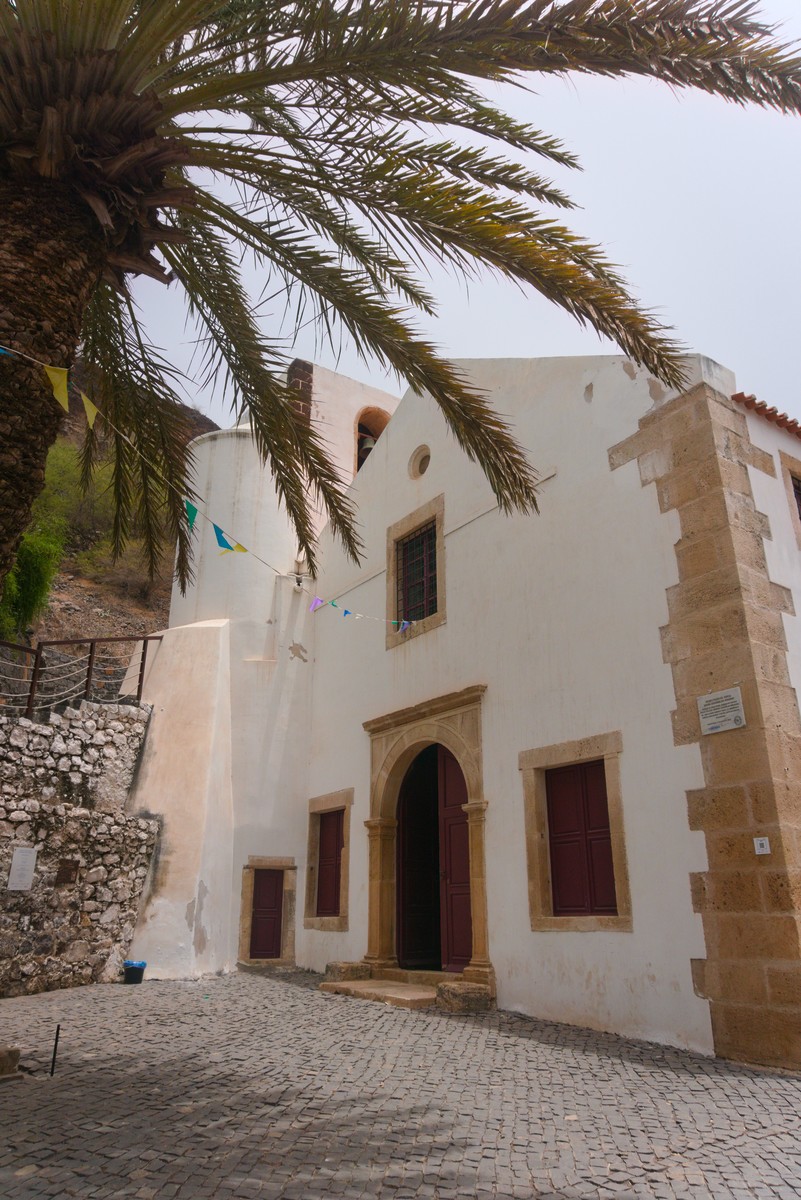
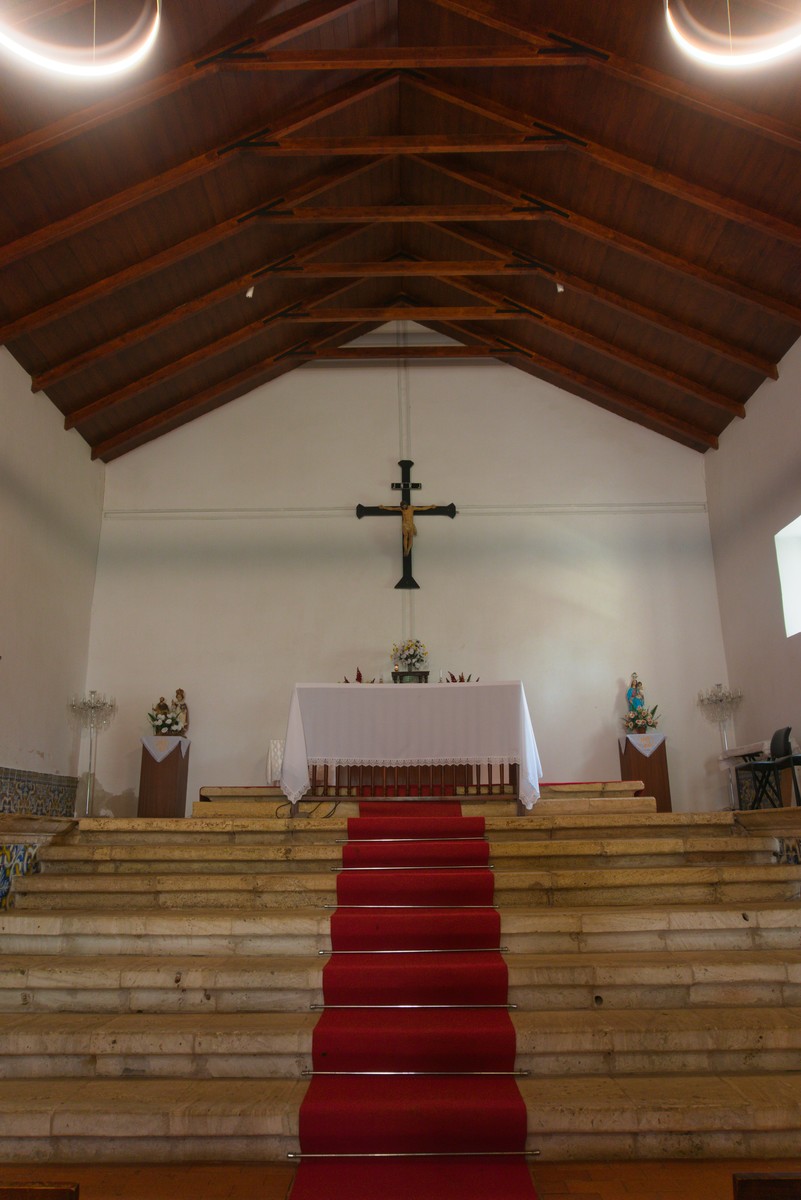
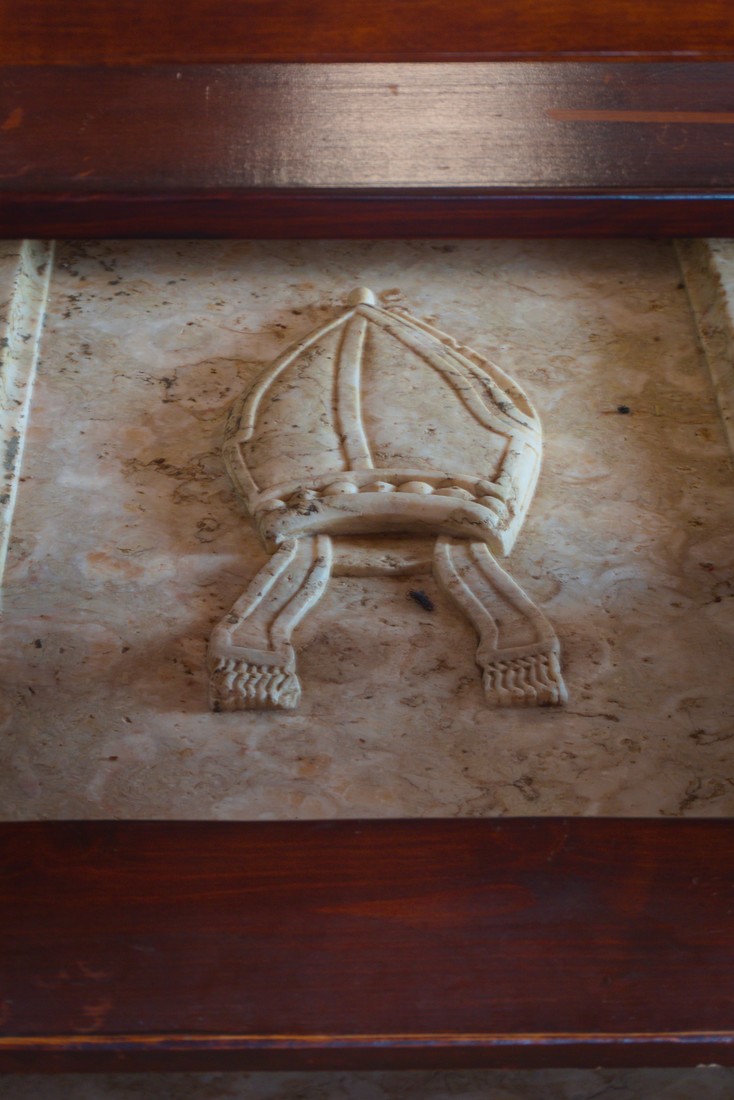
Old Town Cathedral
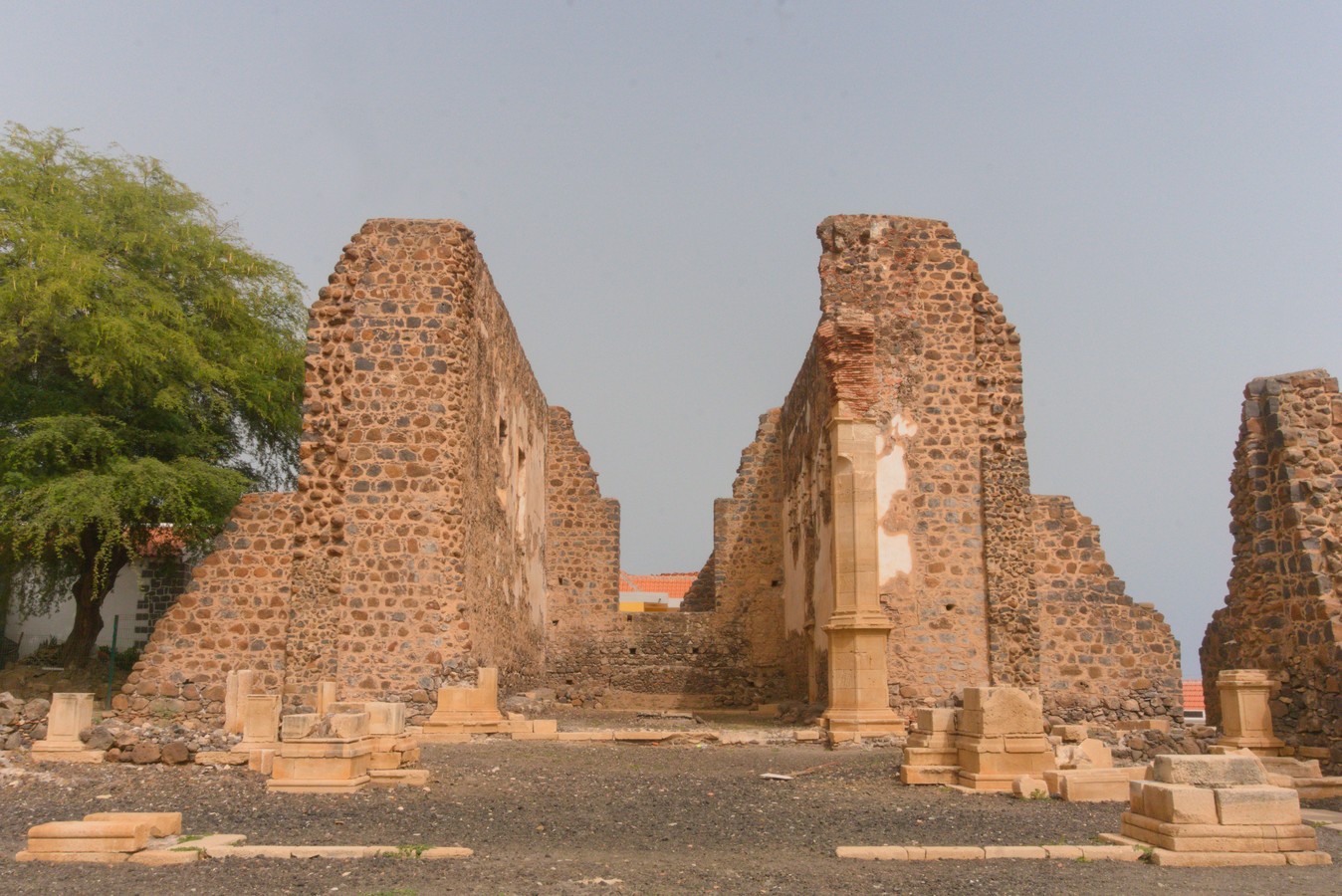
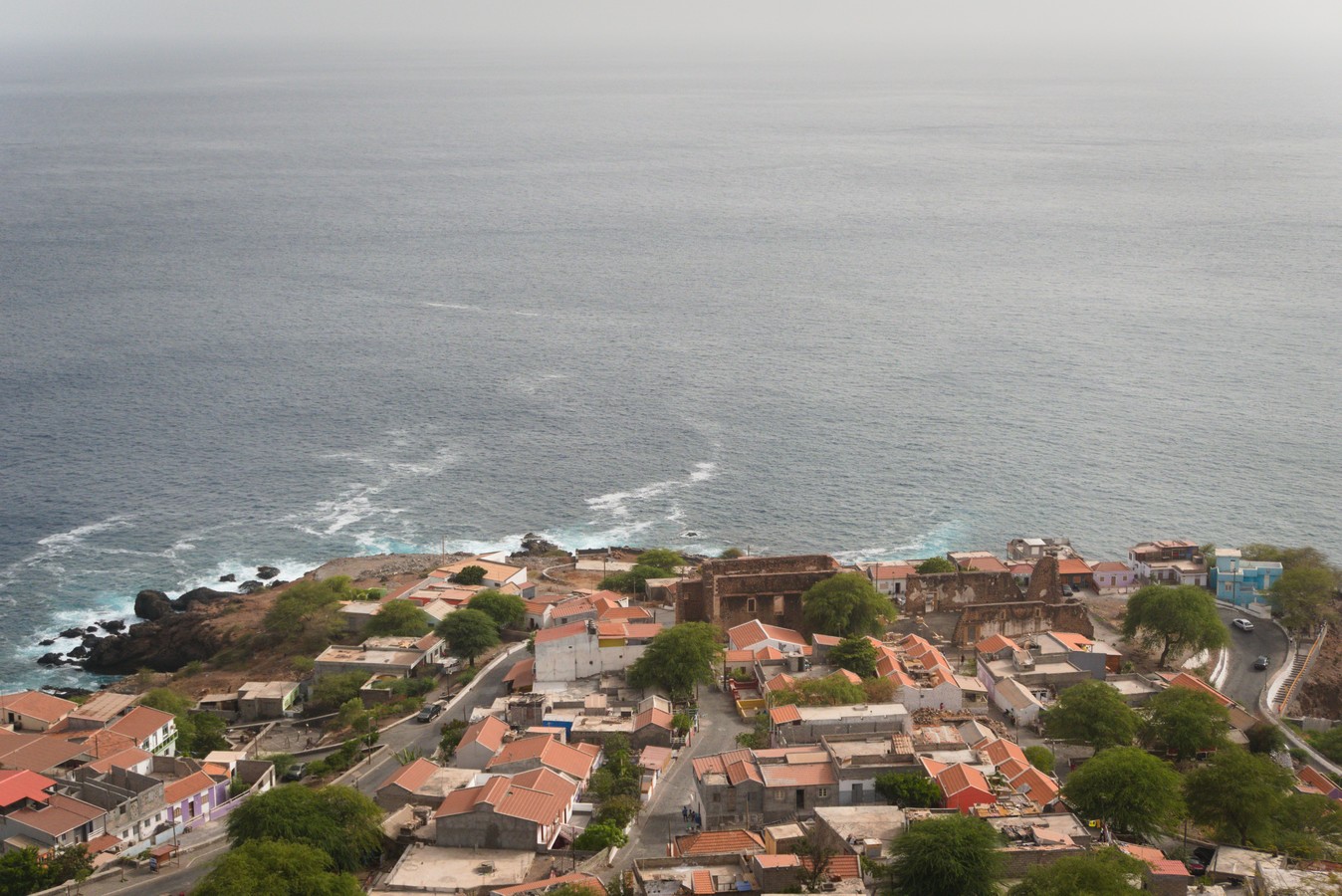
If you walk in the opposite direction, you will come across the ruins of what was once the cathedral.
Construction began in 1556, but work was suspended 36 years later, in 1592. This hiatus lasted more than 100 years, with the building finally being completed towards the end of the 16th century.
A few years later, it was plundered by French privateers, which resulted in extensive damage to the building. As they withdrew from the island, the privateers took everything they could, including the bells and the furnishings of the cathedral.
Although it lies in ruins, one can still sense the grandeur this monument once possessed.
Convent of St. Francis
After lunch, we set off towards the Convent of St. Francis, a 5-minute walk from the historic centre.
At the entrance to the convent were two men who, although they did not appear to be staff members, told us that we would have to pay to visit 500$ / each (around €4.53), but the ticket also gave us access to the fortress. We paid and were given a ticket in return.
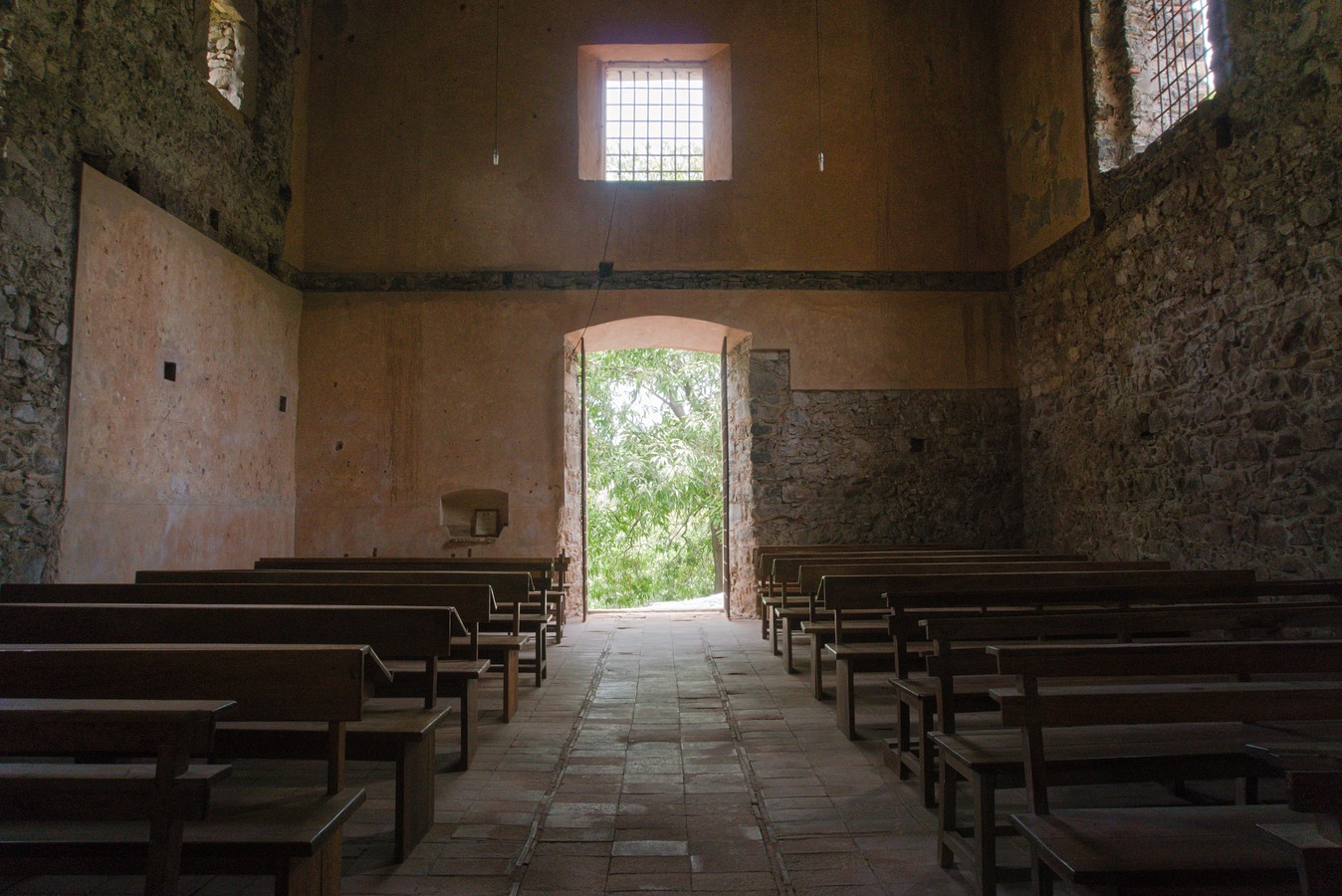
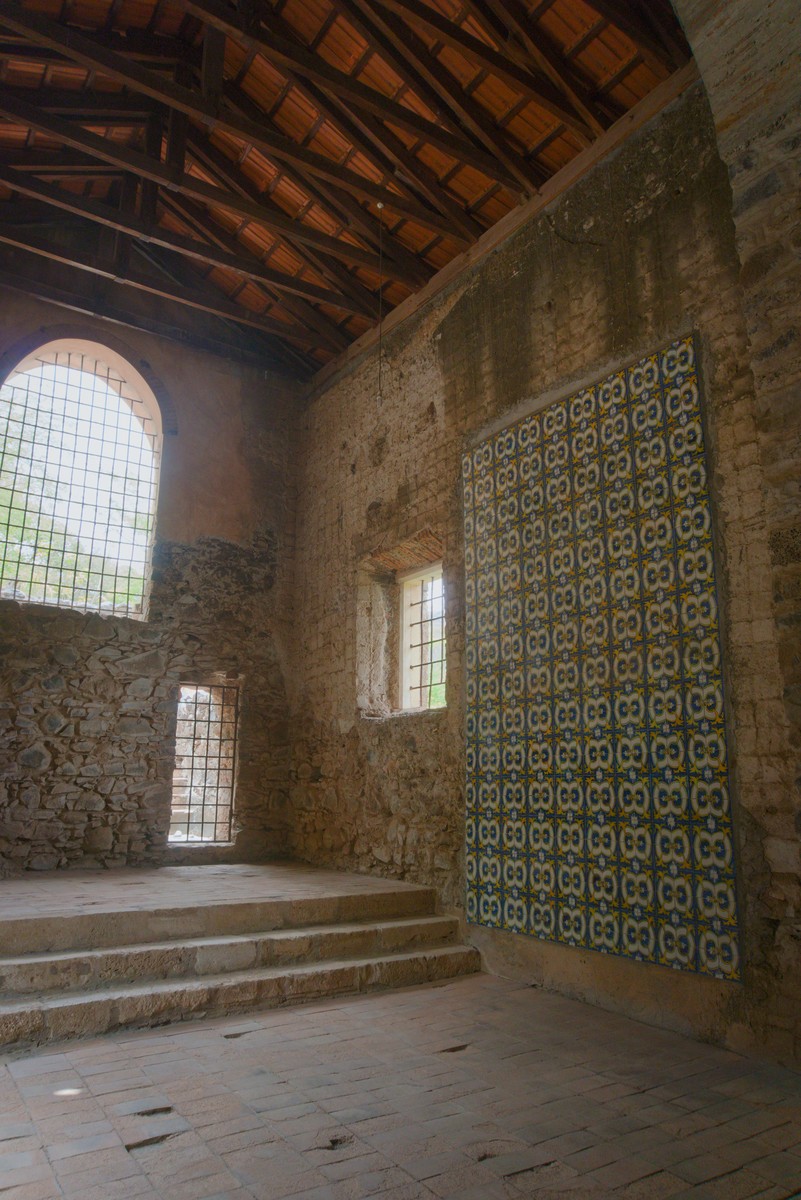
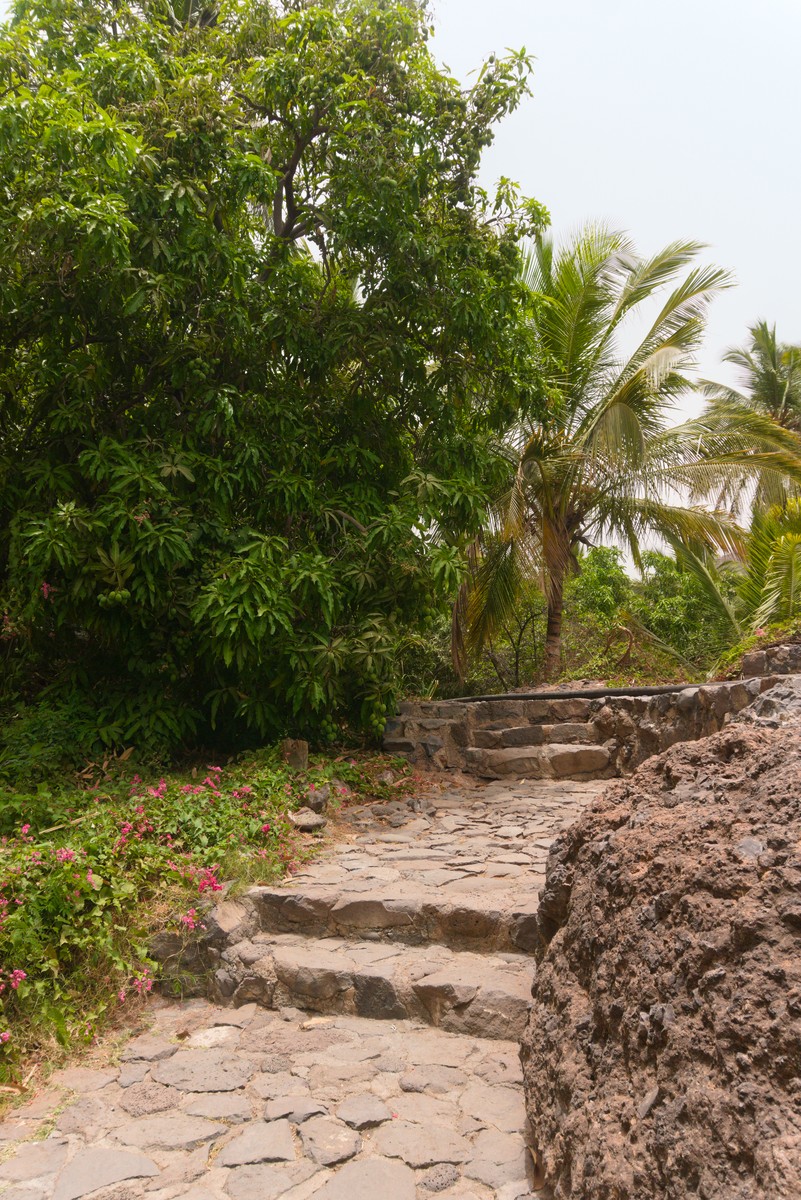
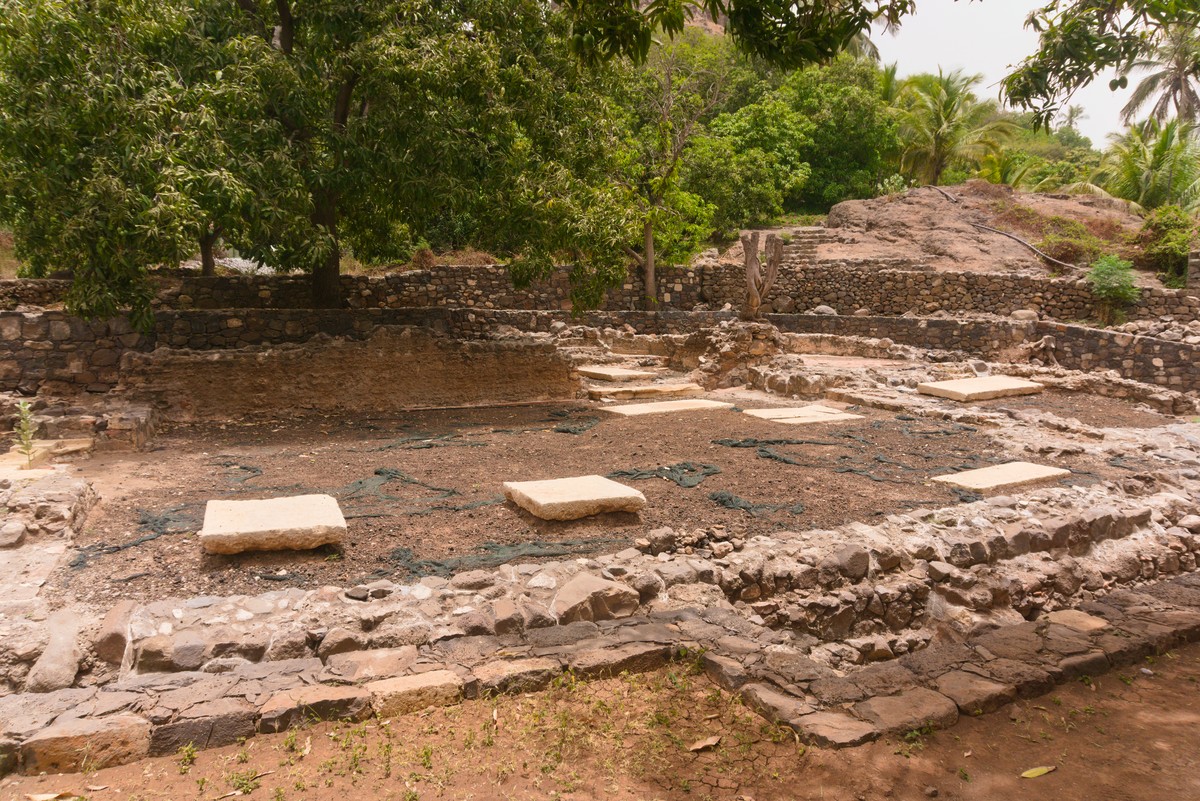
The convent is a 17th-century building commissioned by Joana Coelho, a wealthy landowner from the island of Santiago. This building served as a refuge for Franciscan friars, who also used it as a training centre.
The building was subsequently partially destroyed by a fire and, in 1712, was also attacked by French privateers. Later, a storm destroyed part of the convent.
Between 2001 and 2005, the church building underwent restoration work, supported by the Spanish Government, and has since hosted a number of socio-cultural events. It is, however, in a state of decay.
On the road leading to the convent, you will also find the ruins of the Church of Nossa Senhora da Conceição.
Royal Fortress of São Filipe
It’s time to visit the main attraction of the Old Town: the Royal Fortress of São Filipe. It’s about a 12-minute walk (all uphill) from the historic centre to get here, but believe me, it’s well worth it!
Armed with the ticket we had bought at the convent, we entered the fortress.
The Royal Fortress (or Fort) of São Filipe was built between 1587 and 1593, in response to an attack by privateers a few years earlier. It stands 120 metres above mean sea level and serves a defensive purpose.
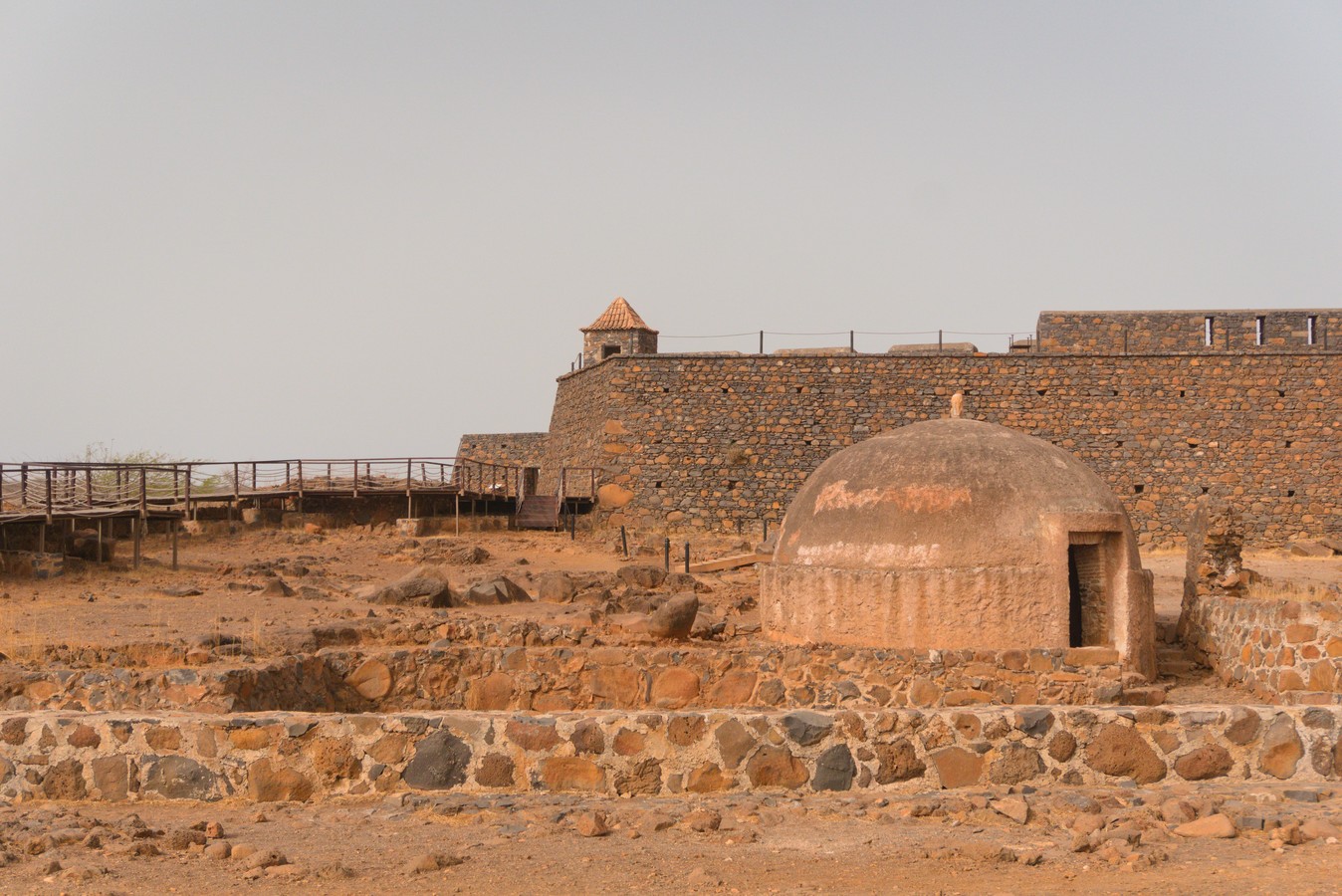
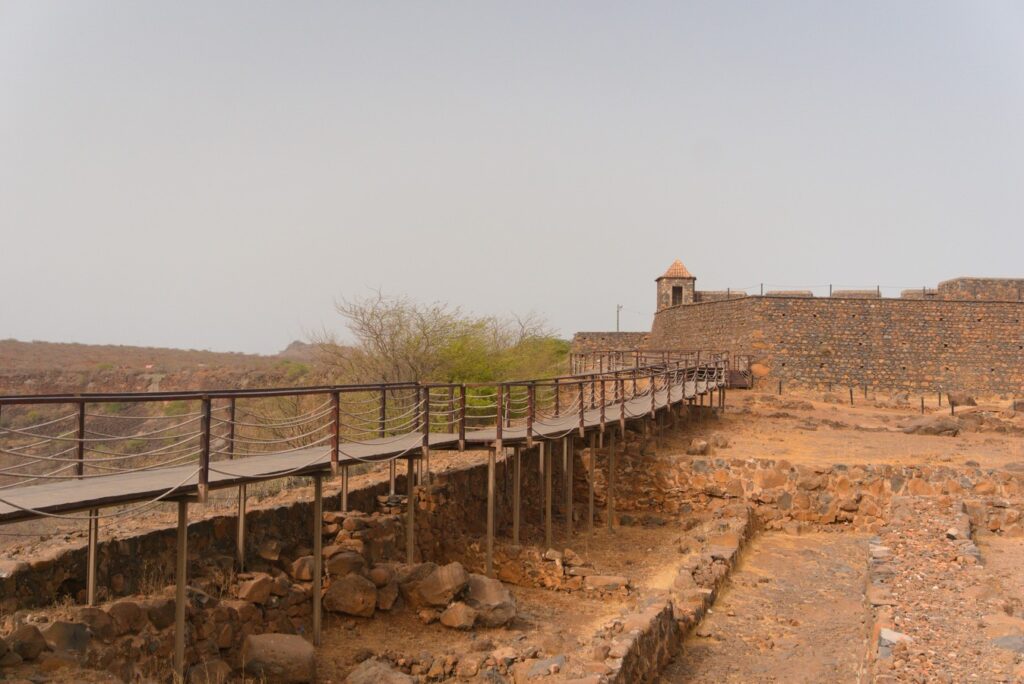

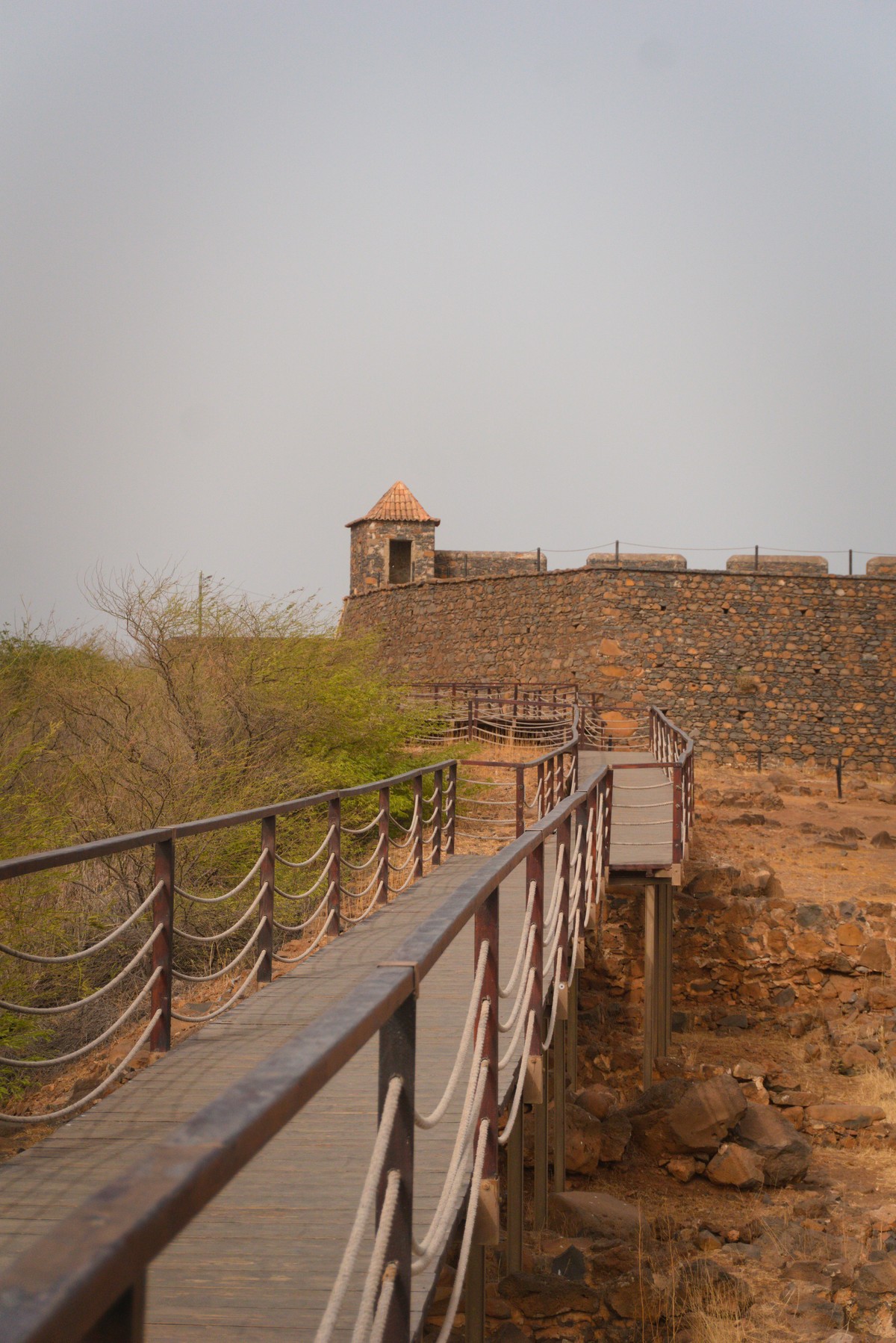
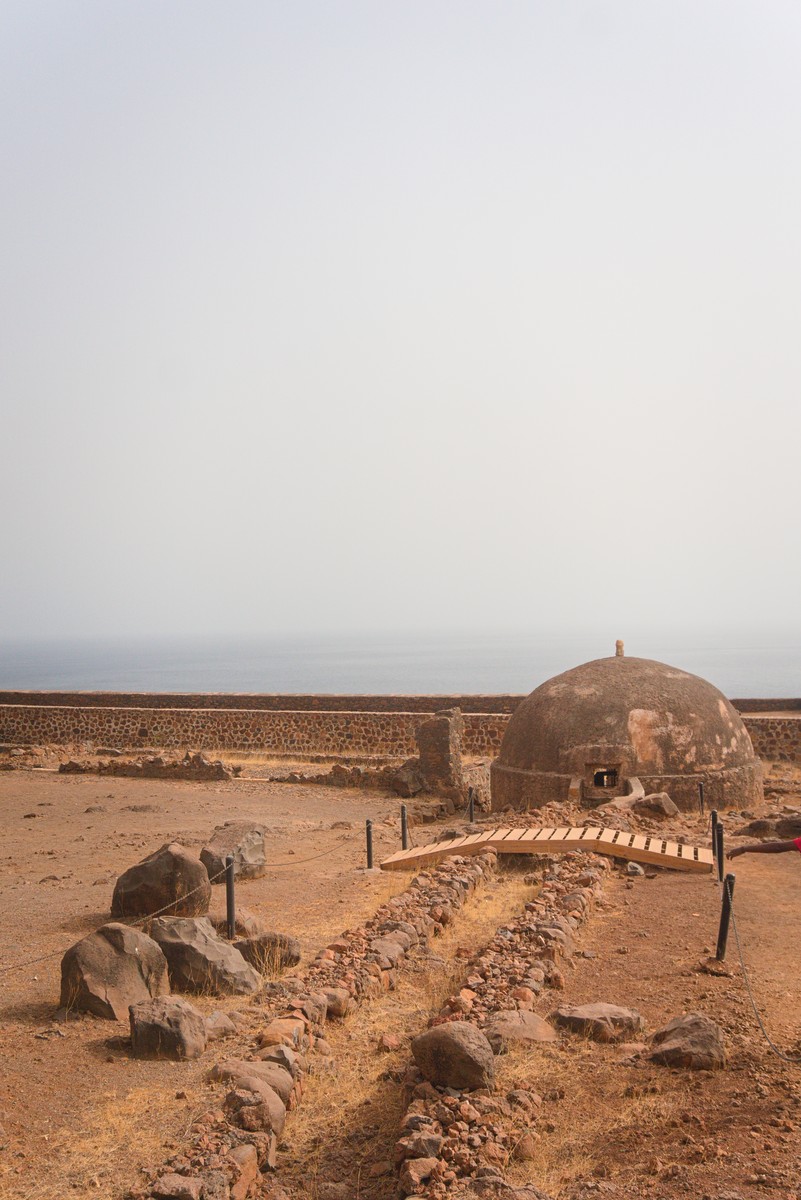
It is currently the best-preserved monument in the Old Town, having undergone a recent restoration, which included the addition of wooden walkways to improve access to the building.
You can walk along the fortress walls and enjoy the view of the Old Town. And don’t forget to go down into the vaulted cistern.
On website of the Cape Verde Institute of Cultural Heritage there is a very interesting map showing the location of the old parts of the fortress.
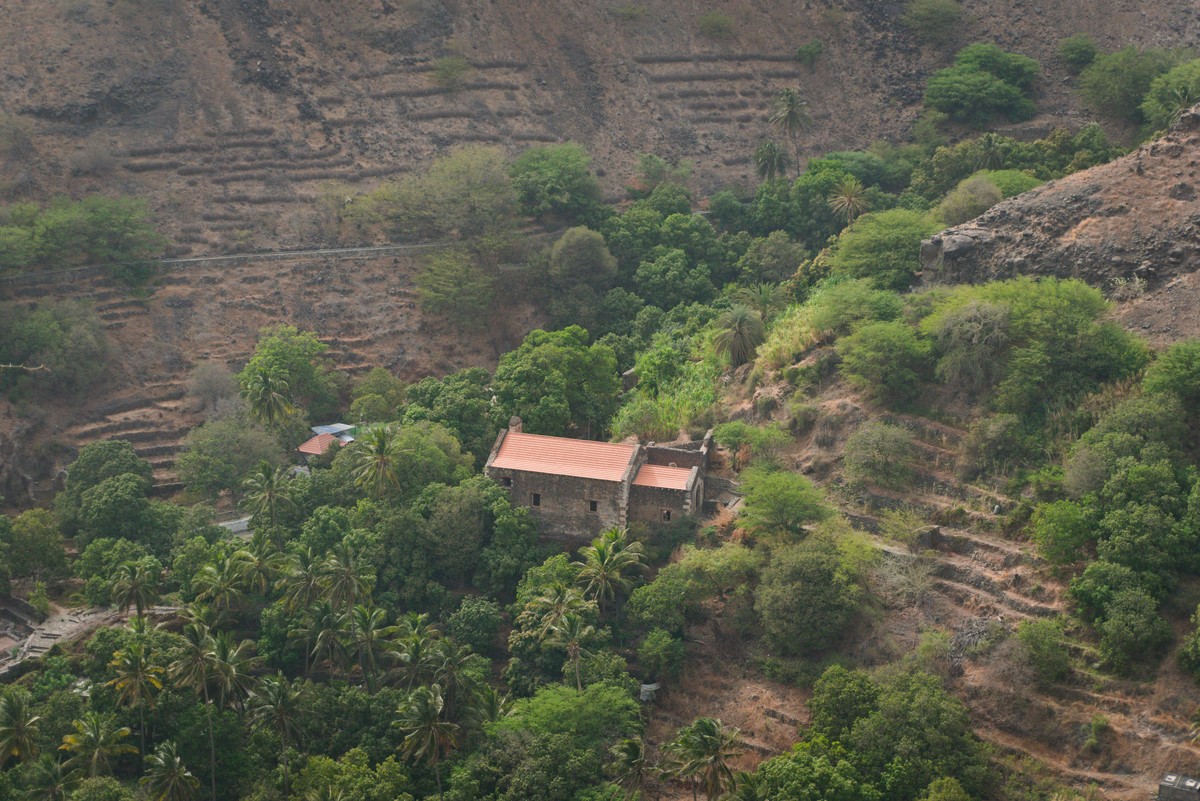
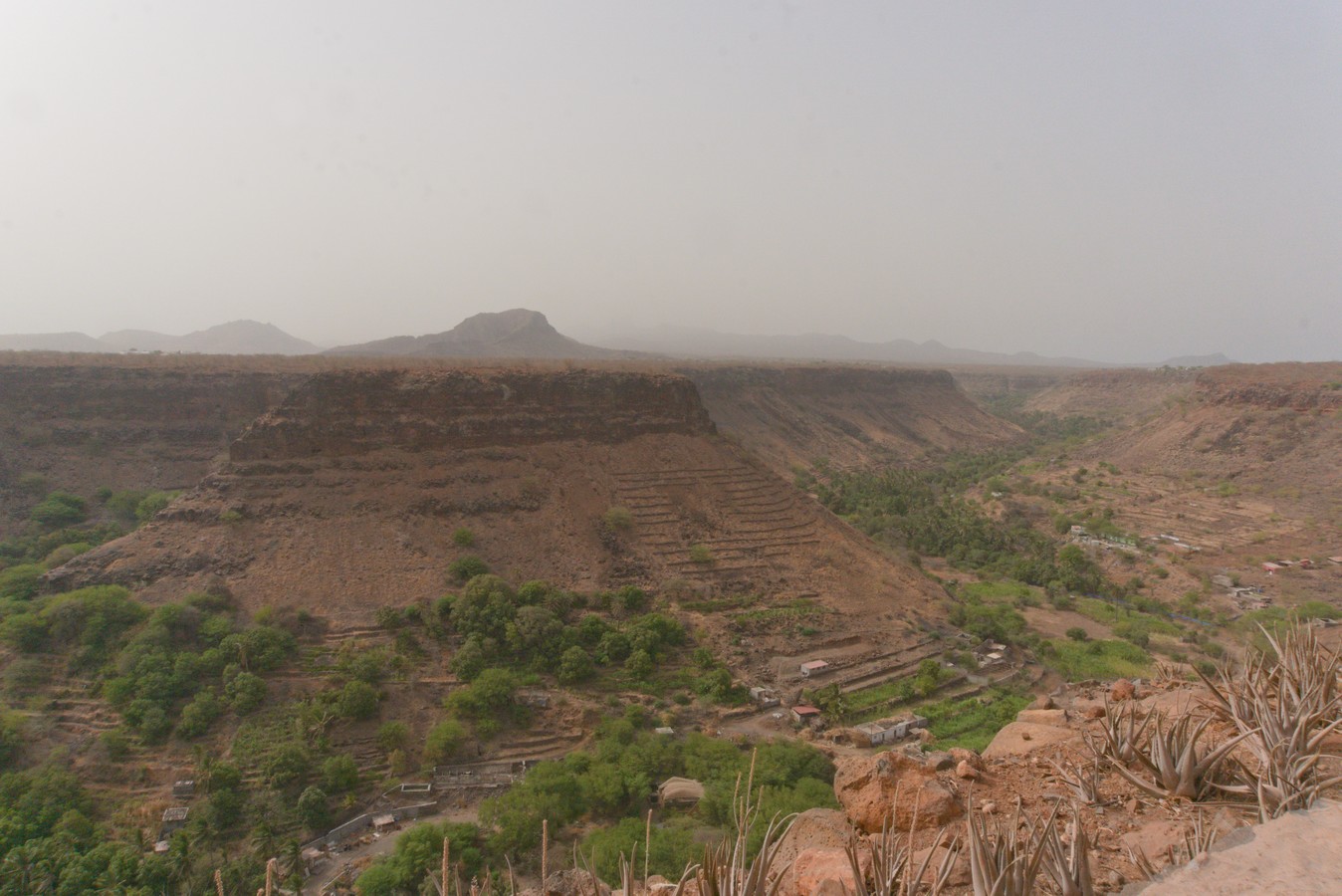
Leaving the fortress, we followed the dirt track until we reached the paved road. From there, we flagged down a Hiace to take us back to the ‘new town’, Cidade da Praia.